In the world of watch collecting, there are countless rituals, quirks, and preferences that make the hobby so fascinating. One of the more curious habits you’ll often find among seasoned collectors is this: many of them never set the date on their watches. It might sound odd—after all, what’s the point of owning a watch with a date window if you’re not going to use it? But behind this small act lies a mix of mechanical caution, aesthetic choice, and collector philosophy.
1. Protecting the Movement: The “Danger Zone” Myth That Isn’t a Myth
Mechanical watches, especially those with date complications, have an internal system that changes the date automatically around midnight. The process starts a few hours before and continues for a short time after the date flips—typically between 9 p.m. and 3 a.m.
This time range is what watchmakers call the “danger zone.” Adjusting the date manually during this window can cause the delicate gears that advance the date disc to jam or break.
For collectors who rotate watches often, it’s easier (and safer) to leave the date untouched rather than risk accidental damage. Resetting the time is harmless—but if the date function breaks, it can mean an expensive repair that disrupts the watch’s originality and value.
2. Aesthetics Over Functionality
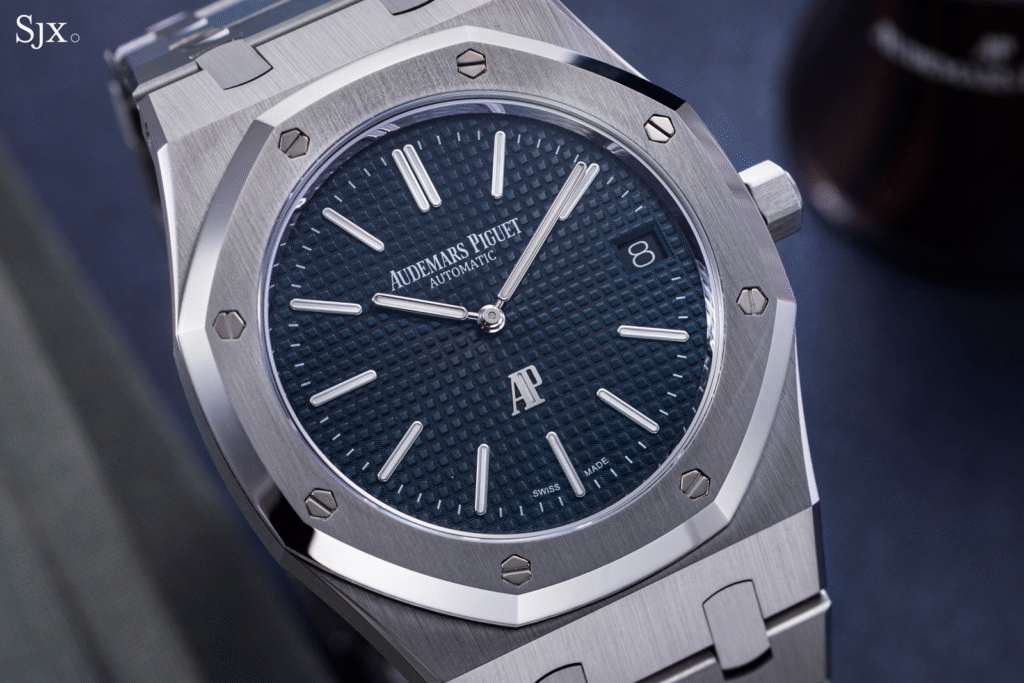
Many collectors simply prefer how a watch looks when the date remains static—or even irrelevant. On vintage pieces, especially with small date windows, an off-center or misaligned numeral can spoil the dial’s symmetry.
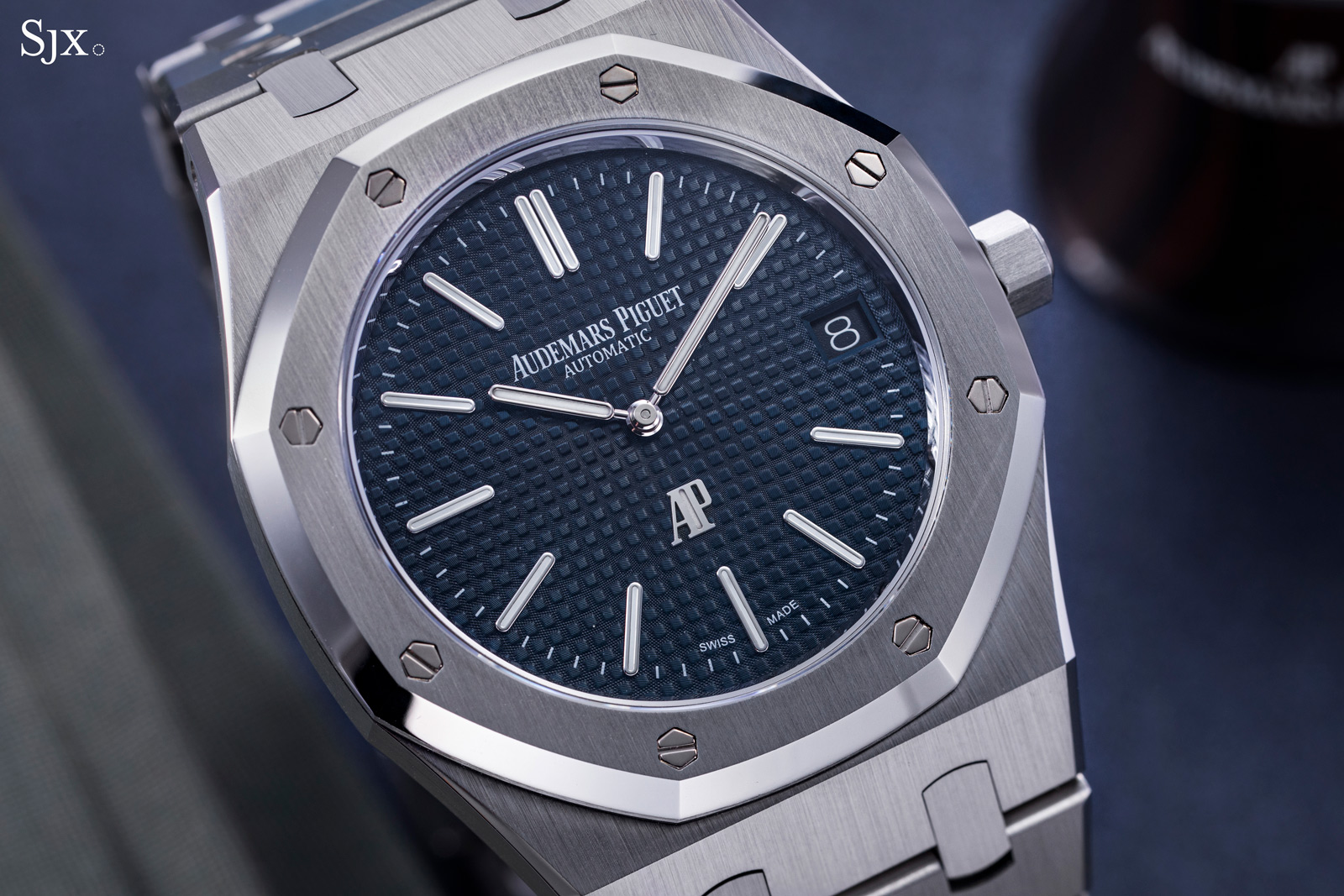
This is especially true for iconic models like the Rolex Submariner Date, Omega Speedmaster Reduced, or Audemars Piguet Royal Oak, where the date window’s design often divides opinion.
By keeping the date frozen, the collector ensures the watch maintains a consistent look every time it’s worn. For purists, the focus isn’t on reading the date; it’s on admiring the craftsmanship and harmony of the dial.
3. Collector Philosophy: Watches as Art, Not Tools
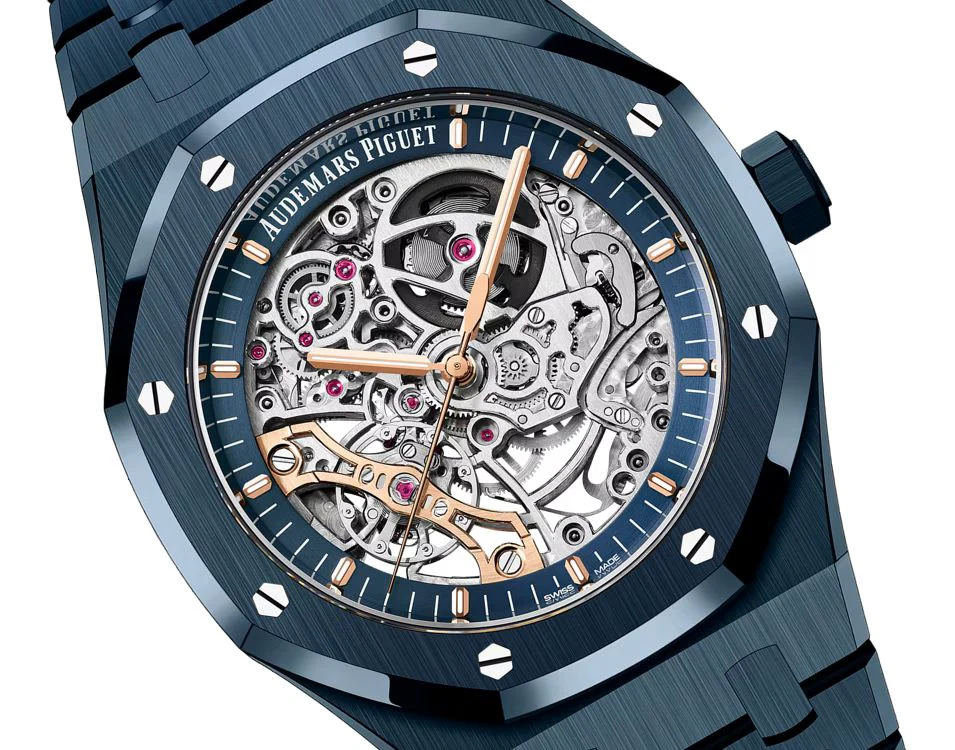
There’s also a deeper philosophy at play. Many high-end collectors see their timepieces not as tools, but as mechanical art. They value the engineering, design, and emotional connection over daily practicality.
When you own dozens—or even hundreds—of watches, setting the time and date on each one before wearing it becomes impractical. Instead, collectors often grab whichever watch fits their mood, set the time roughly, and move on.
To them, the act of winding the watch and feeling the movement come alive matters far more than ensuring it says “15” instead of “14” in the date window.
4. Vintage Watches and Fragile Date Mechanisms
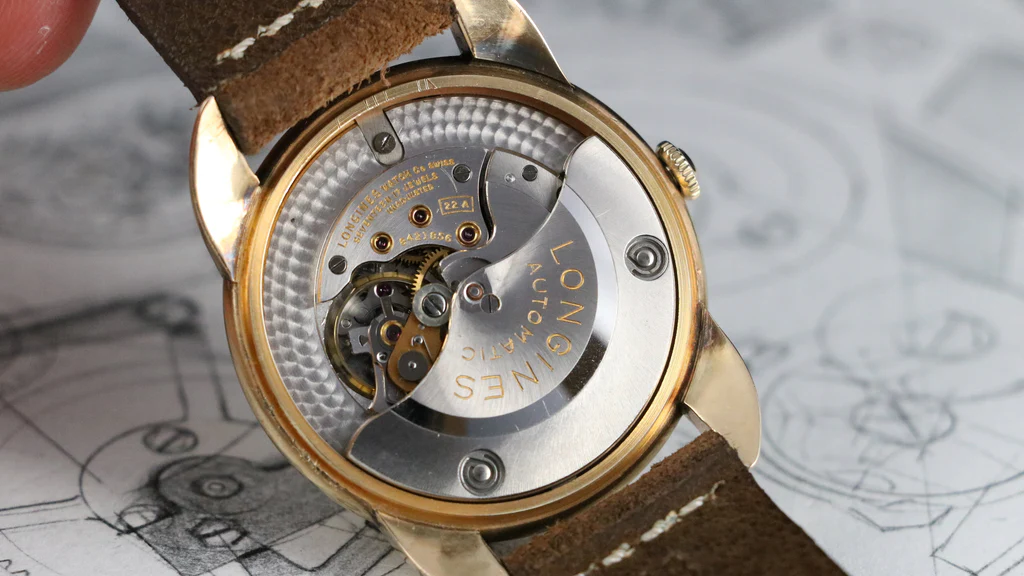
Older watches, particularly from the 1950s–1970s, often have more delicate date-change mechanisms. Unlike modern movements that are built to tolerate occasional misuse, vintage calibers—like those from Longines, Omega, or early Seiko—can suffer permanent damage if the date is advanced too aggressively.
Even worse, replacement parts for some of these calibers are no longer produced, meaning a simple date-setting mishap could render the watch partially inoperable.
Collectors who value originality avoid tampering with the date to preserve the movement’s integrity. A non-functional or frozen date is better than a broken one that forces part replacement.
5. The Rise of the “No-Date” Preference
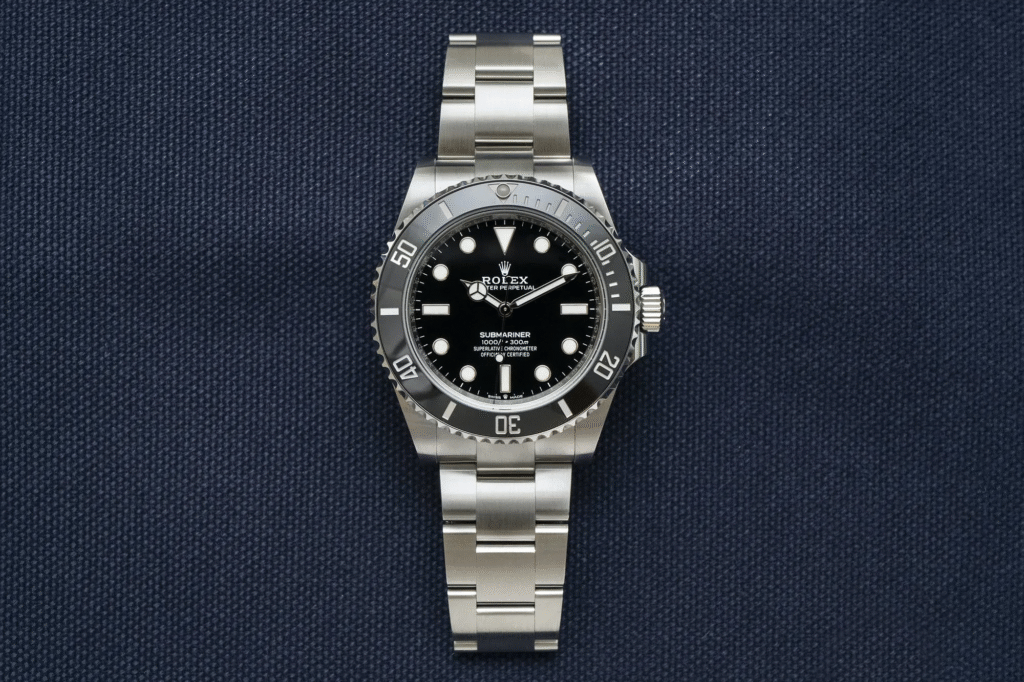
Interestingly, this habit has influenced modern watch design. Brands have noticed that enthusiasts increasingly favour no-date models for their cleaner aesthetics and reduced maintenance risks.
The Rolex Submariner No Date (Ref. 124060) remains one of the most coveted tool watches in the world. The Omega Speedmaster Professional “Moonwatch”, famously worn on the moon, has never featured a date window—and collectors love it for that reason. Independent brands like Nomos and Ming also embrace minimalism, producing watches that focus purely on timekeeping and design.
For many, less is more—and omitting the date altogether avoids both mechanical complexity and visual clutter.
6. The Emotional Element: A Watch Frozen in Time
There’s something poetic about a watch whose date never changes. For some collectors, it’s a tribute to a moment in their life—the date the watch was purchased, gifted, or inherited.
Leaving the date untouched becomes a quiet, personal statement: a nod to time standing still, even as the seconds hand continues to sweep.
It’s a subtle but meaningful connection between owner and object—one that turns a practical feature into a sentimental one.
7. When Setting the Date Makes Sense
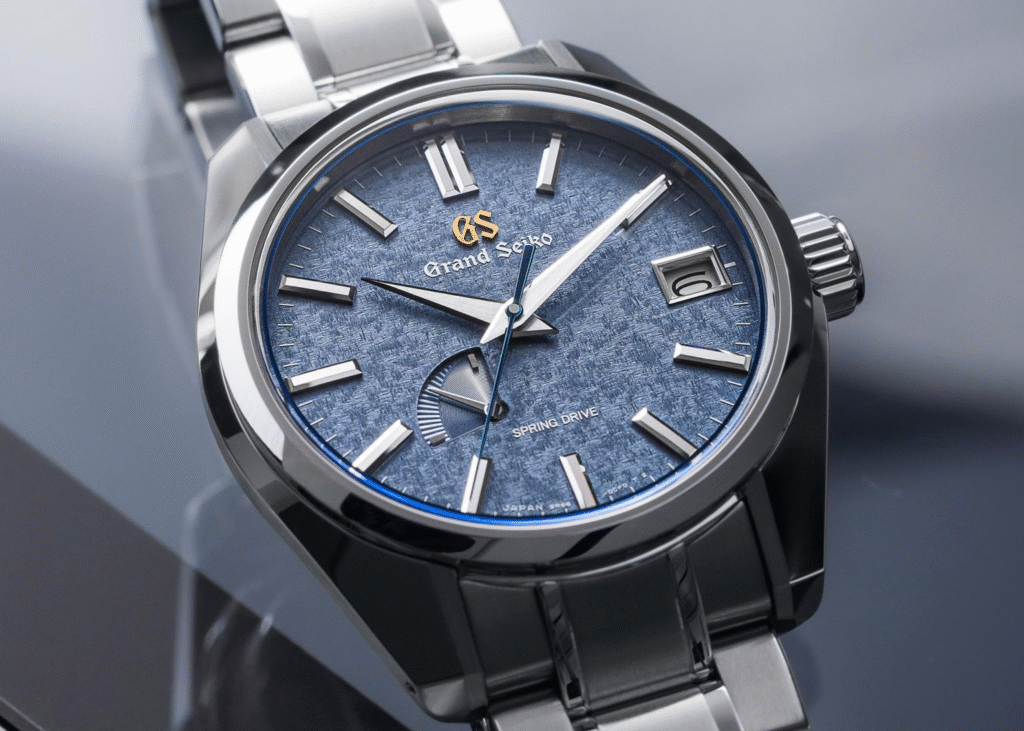
Of course, not all collectors abstain. Daily wearers, especially those who rely on their watch as a tool, will keep the date accurate. Modern movements from brands like Rolex, Omega, Grand Seiko, and Tudor include instant-change date mechanisms that are far more robust.
For these watches, setting the date isn’t risky—just avoid the midnight hours, and you’re safe. But for vintage enthusiasts or cautious collectors, it’s often better to admire than adjust.
Final Thoughts
To the uninitiated, a watch with a frozen date might seem odd. But to those who understand horology, it’s a quiet reflection of respect—for engineering, for preservation, and for the philosophy of collecting.
Not setting the date is more than laziness or superstition. It’s an acknowledgment that watches are more than instruments for telling time—they’re living relics, deserving of both admiration and gentle restraint.
So, the next time you see a collector’s watch stuck on the 8th, don’t assume they forgot to set it. Chances are, they did it on purpose—and for very good reason.