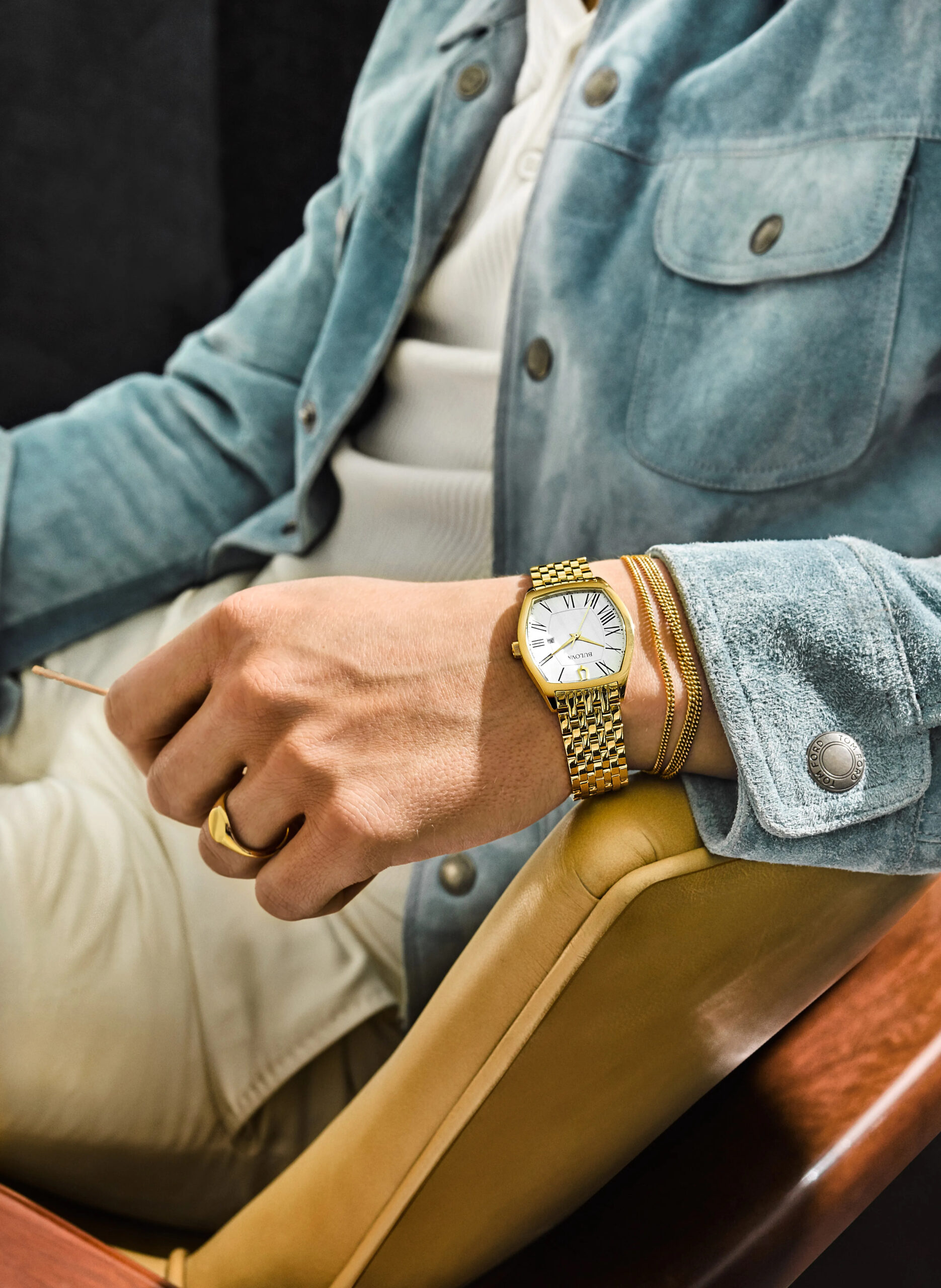
As we move into 2026, the luxury watch market is entering a fascinating new chapter — one defined not by fevered speculation and hype, but by thoughtful collecting, evolving buyer preferences, and a maturing secondary market. After the boom years of the early 2020s, where demand often outstripped supply and prices soared for everything from sport watches to limited editions, the industry has quietly shifted toward balance and long-term value. For collectors and buyers, understanding these trends isn’t just academic — it directly influences what watches are worth buying, when to buy them, and how to build a collection that reflects both personal taste and market reality.
From Boom to Balance: The Market Landscape in 2026
In the post-pandemic era, luxury watch prices soared to peaks that many analysts now believe were unsustainable. A prolonged slump in the high-end segment saw secondary prices fall roughly 33% from their post-COVID zenith, even as they recovered modestly.
Collectors today are approaching purchases with a different mindset than they did at the height of the pandemic-era frenzy. Instead of chasing every popular steel sports model as an automatic investment, buyers are asking deeper questions about emotional satisfaction, wearability, heritage, and long-term relevance. According to industry observers, confidence is returning — but in a more disciplined form.
This shift from urgency to smart decision-making reflects broader economic pressures — inflation, geopolitical uncertainty, and changing consumer psychology — as well as the maturation of the collector community itself.
Pre-Owned and Certified Markets Take Center Stage
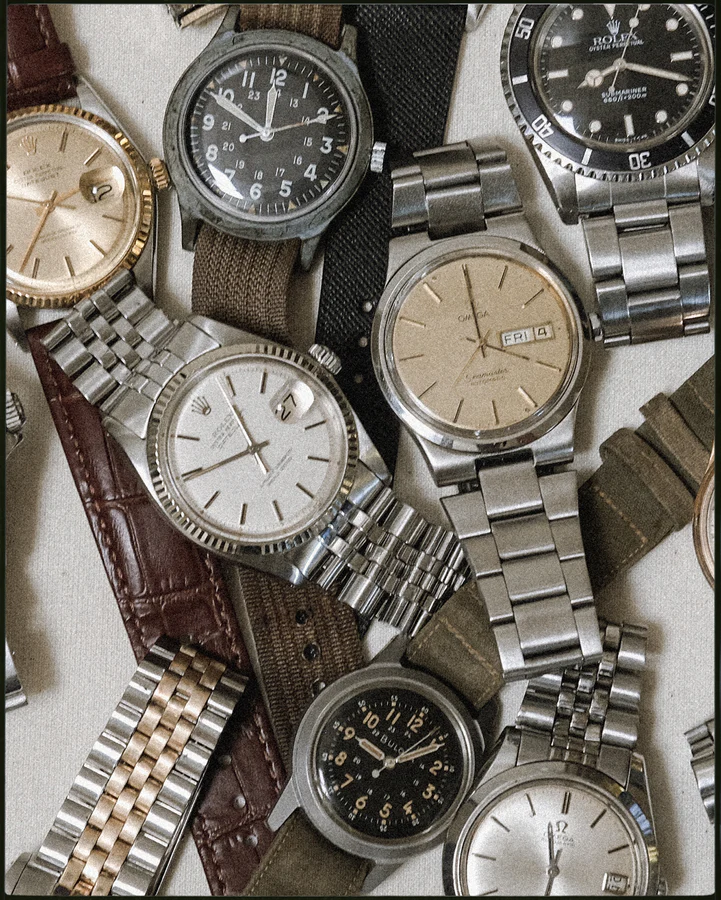
One of the most prominent trends in 2026 is the ongoing strength of the pre-owned and certified pre-owned market. Data from the luxury watch market shows steady growth in this segment, with more buyers choosing established pieces with provenance over newly released models.
Part of this is practical: pre-owned watches often offer immediate access to models that are otherwise impossible to find at retailers, eliminating years-long waitlists. Part of it is psychological — buyers increasingly value authenticity and heritage over hype. In many ways, the secondary market has become a playground for serious enthusiasts, not just speculative investors. Many collectors describe it as almost like browsing at a boutique with the freedom to choose exactly the reference, era, and condition they want, rather than waiting in line for what’s allocated by a dealer.
This shift also reflects generational change. Younger buyers — especially those entering the market from Gen Z — are embracing established design classics and dressier, thinner watches rather than only sport models.
Smaller, Versatile Watches Are Winning Hearts and Wrists
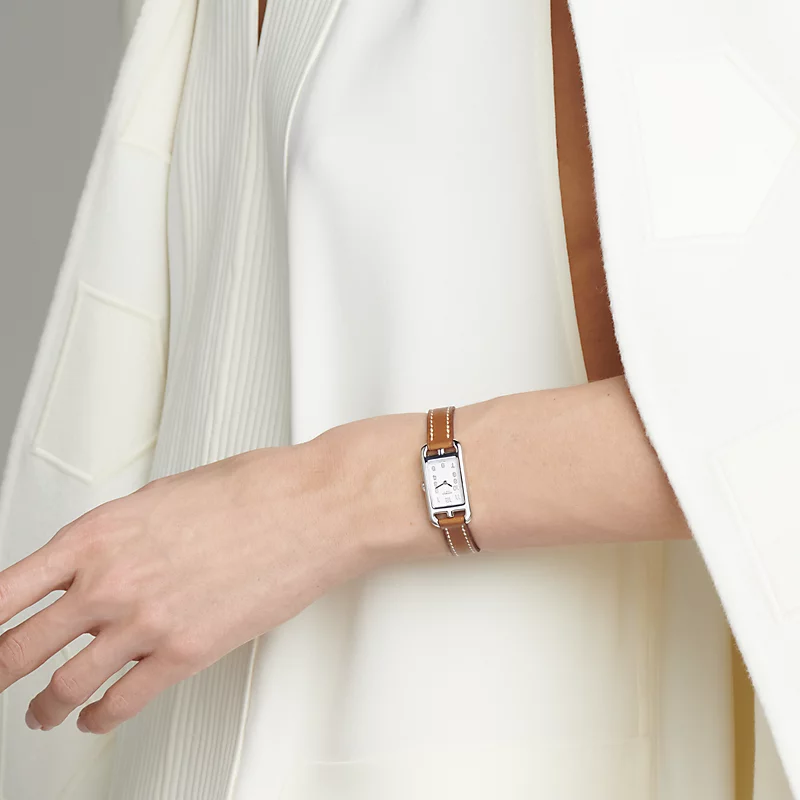
Collectors I know from forums and in-person conversations are unanimous about another trend: smaller sizes are back in fashion. After years of oversized watches dominating the conversation, buyers in 2026 are gravitating toward pieces in the 36–40mm range that combine comfort with versatility.
This isn’t just about aesthetics — it’s a wearability realisation that many collectors only truly understand after spending months with different watches. A 40mm case, for example, often stays more comfortable under shirt cuffs during daily wear and feels less like an “accessory” and more like an integrated part of personal style. This trend isn’t limited to boutique brands or independents; it’s influencing larger maisons too, with legacy watchmakers emphasising classics that are both collectible and practical.
In personal experience, the shift toward more wearable sizes has been palpable among friends and collectors alike. Watches that were once sidelined for being “too dressy” are now chosen for travel, business casual, and even weekend wear. It’s as if buyers are saying: I want something I love wearing, not something I love displaying in a case.
Gen Z Is Reshaping Consumer Preferences
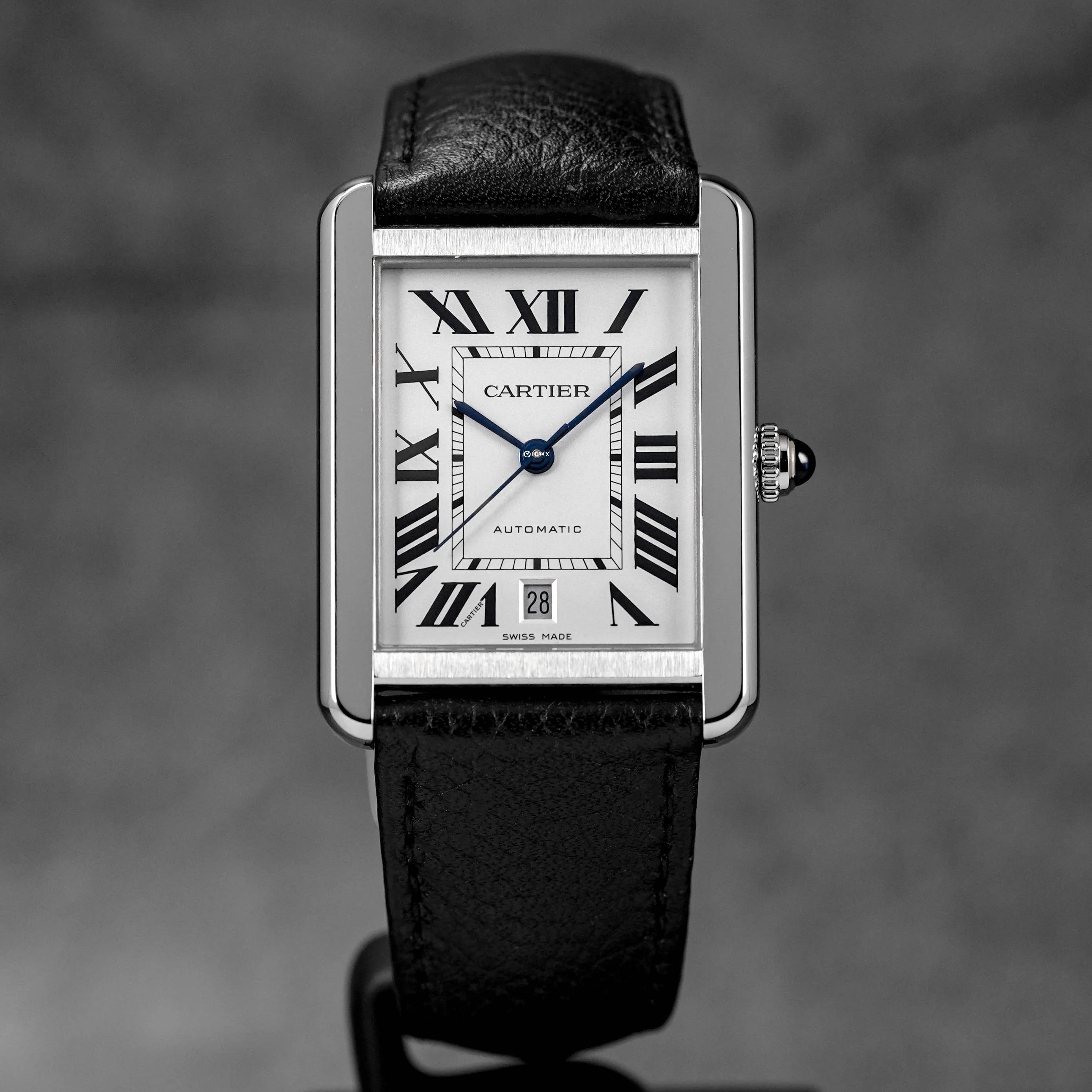
Another major force in 2026 is the growing influence of younger buyers. For the first time, Gen Z is not only participating in the luxury watch market but helping shape its direction. Rather than chasing the same steel sports watches that dominated a few years ago, this cohort values design, personality, and storytelling — watches that resonate on both aesthetic and emotional levels.
Cartier pieces, for example, have seen a notable surge in popularity among younger buyers. Models like the Cartier Tank, Santos, and Panthère — once seen mainly as dress references — have gained fresh attention for their blend of timeless design and everyday versatility.
This isn’t just anecdotal; dealers and stylists consistently report that design-led, mid-century inspired watches resonate with buyers who are making some of their first luxury purchases. In conversations with collectors who grew up admiring watches on social media, it’s clear that aesthetic identity and emotional connection are driving purchases more than speculation — a behaviour that could lead to a more stable market in the long term.
Understated, Timeless Luxury Over Flashy Hype
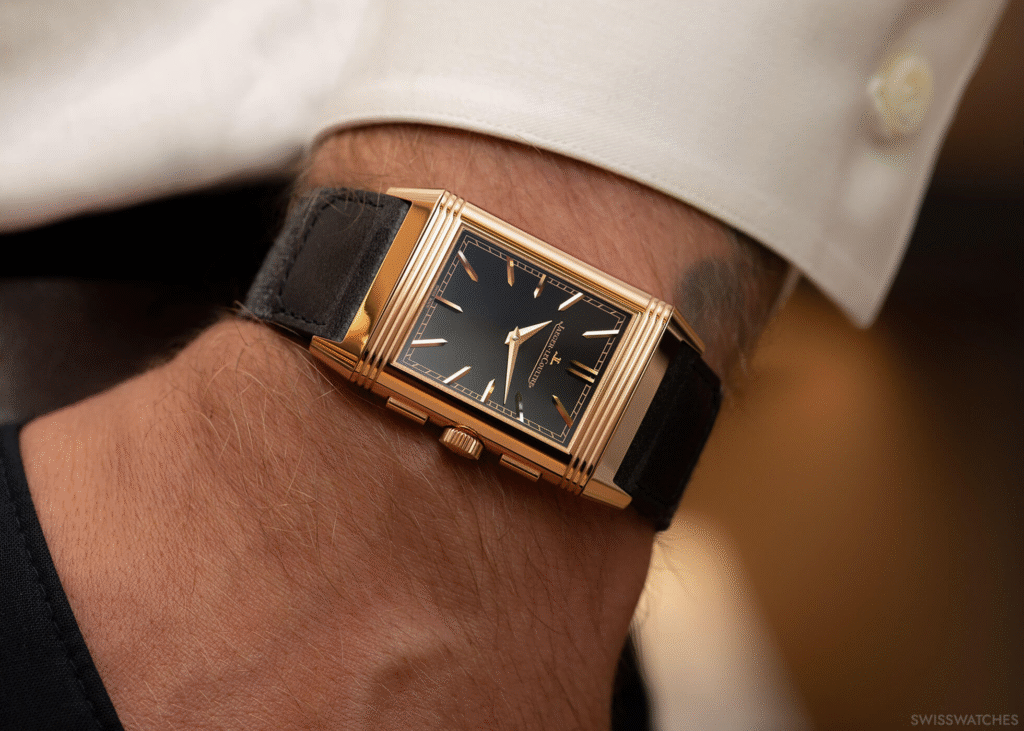
A recurring theme across industry reports and collector sentiment is the rejection of “flash” in favour of sustainable luxury. Rather than buying watches for short-term resale value or social signalling, buyers in 2026 are prioritising pieces that are timeless and meaningful.
This trend echoes broader cultural shifts toward minimalism and intentional consumption — collectors I’ve spoken with often mention preferring designs that “feel like me” rather than those that make the loudest statement. It’s a deeper kind of collecting, one that emphasises narratives (brand heritage, personal milestones, design lineage) over market placement.
This change is also reflected in the prominence of vintage and neo-vintage models, which combine craftsmanship, history, and stories — aspects that can never be fully captured by brand hype alone. When buying a vintage watch, collectors often speak about the sense of connection to past owners, the story embedded in each patina and mark, and the beauty of designs that have stood the test of time.
Tariffs, Economics, and Market Confidence
Economic factors continue to play a role in shaping buyer behaviour. A notable development in recent years has been the reduction of tariffs on imported watches in key markets like the United States, which has helped stabilise retail demand and improve pricing for buyers.
Retailers say that this tariff shift has reduced pressure on list prices, encouraging buyers who had previously paused purchases due to high costs. At the same time, global economic uncertainty means many buyers are still cautious, avoiding overpaying for highly speculative models in favour of watches that offer tangible satisfaction and longevity.
Collectors who frequent forums and local events often describe this as a return to rational buying — choosing watches that fit their lifestyle, wrist, and aesthetic over chasing whatever reference is “hot” on social media.
Market Size and Growth Outlook
Despite the shifts in sentiment and approach, the luxury watch market overall remains robust. Analysts project continued growth from 2025 into 2026, with an increasing total market value driven by both new retail sales and the thriving secondary segment.
While some reports show varied figures, the consensus is that the luxury watch space will expand steadily rather than explosively — a reflection of a more mature, discerning, and thoughtful buyer base.
This long-term perspective attracts a new type of collector: those who view watches as long-term companions and potential heirlooms, not merely trendy accessories.
Personal Reflections from Collectors and Buyers
For aficionados I’ve talked with over the past year, several patterns have emerged that are worth noting:
- Comfort and wearability matter more than ever. A watch that sits well, feels good on the wrist throughout the day, and pairs with multiple styles is increasingly preferred over oversized or statement models.
- Emotional value outranks speculative value. Many buyers describe choosing pieces tied to personal achievements — birthdays, anniversaries, life transitions — rather than those chosen purely for investment potential.
- Secondary market confidence. Owning pre-owned watches often comes with the satisfaction of immediate access, transparent pricing, and the joy of handling a piece with history. For many collectors, the secondary market feels more rewarding than waiting in dealer queues.
- Stories over scarcity. Instead of buying because a piece is limited, collectors are buying because they connect with the design and the legacy behind the watch. This shift reflects a deeper collector identity — one rooted in passion, not pressure.
These insights aren’t just trends — they’re lived experiences that define what it means to be a watch collector in 2026.
Looking Forward: What Matters Most in 2026 and Beyond
In line with current industry projections, 2026 appears to be a year of steady growth, thoughtful buying, and evolving preferences. Smaller case sizes, pre-owned prominence, design-forward collectors, and economic balancing all form a more stable foundation than the previous speculative cycle.
For both seasoned collectors and newcomers alike, the message is clear: buy what you love, understand why you buy it, and consider its long-term value beyond price alone.
Whether you’re attending your first Watches and Wonders event, carefully studying auction results, or simply trying different watches on your wrist, 2026 is shaping up to be a year where experience and passion matter just as much as market prices.
Final Thought: Beyond Trends — Towards Enduring Value
The luxury watch market of 2026 isn’t about chasing fads or reacting to hype cycles. Instead, it’s about bringing intentionality back to collecting, blending emotion with economics, wearability with heritage, and personal meaning with market awareness. When you approach collecting with this mindset — focusing on what resonates with you rather than what the market demands — your watch wardrobe becomes more than a portfolio: it becomes a lifetime of stories on your wrist.