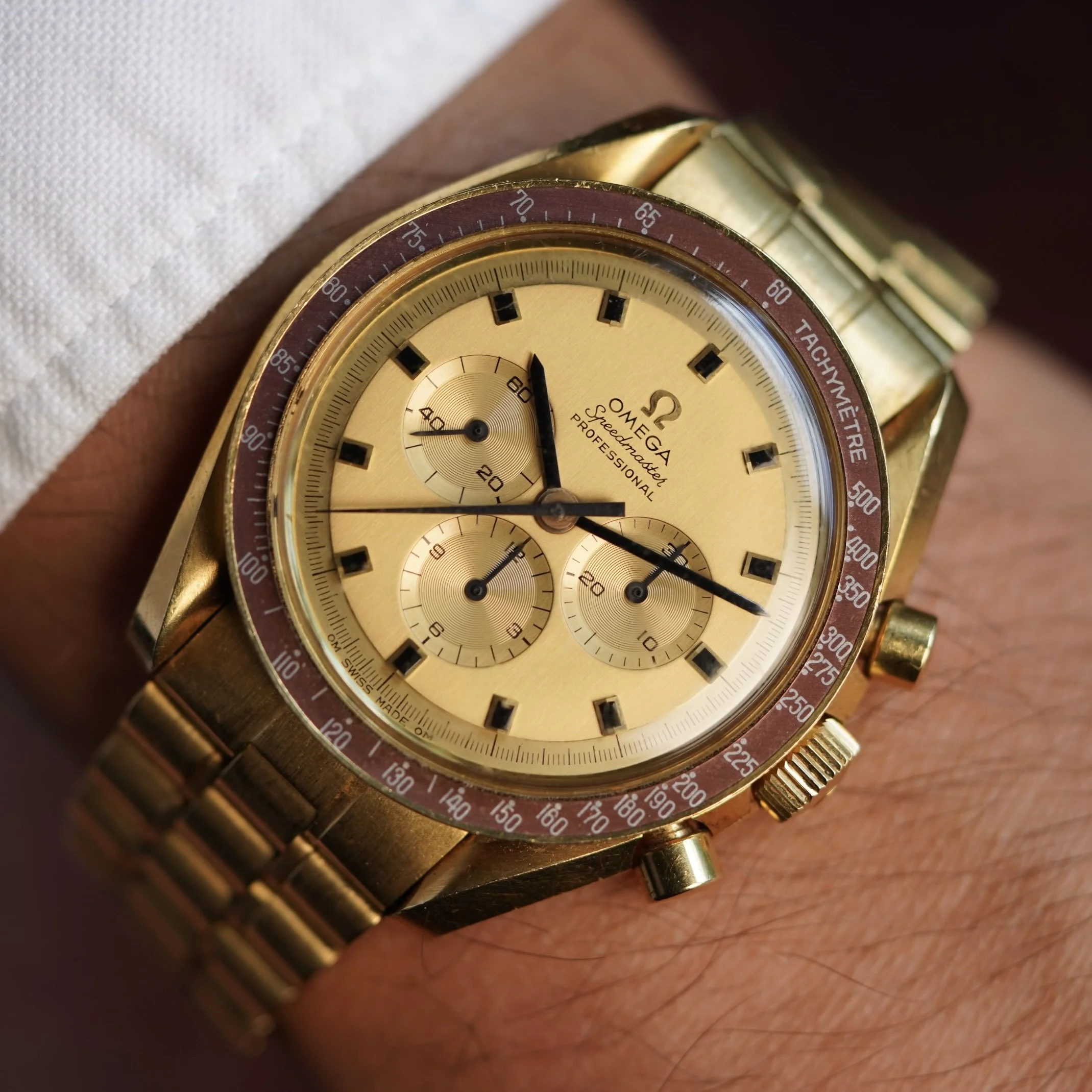
In the world of vintage watch collecting, two names consistently stand out: Rolex and Omega. Both brands boast rich histories, iconic designs, and a reputation for excellence in Swiss watchmaking. Yet, a curious phenomenon persists—while vintage Rolex prices have skyrocketed in recent decades, many vintage Omega models remain surprisingly attainable.
For collectors and newcomers alike, this raises an important question: why is vintage Omega still more affordable compared to Rolex? The answer lies in a mix of history, branding, demand, and market perception.
A Tale of Two Brands
Rolex: The Master of Perception
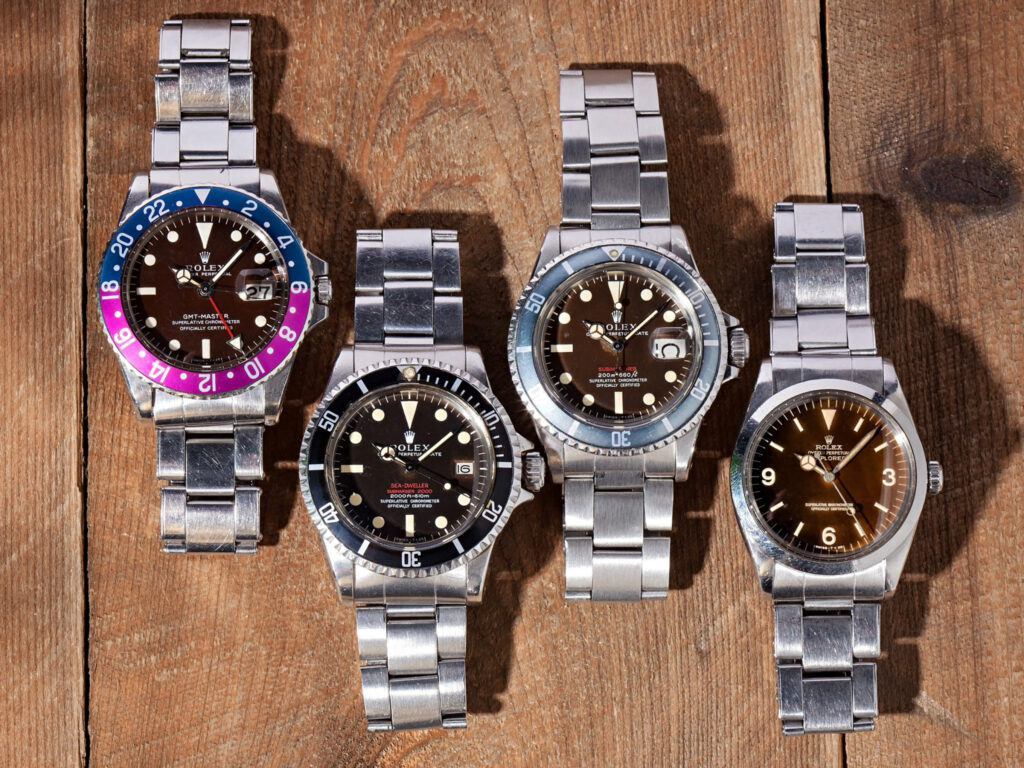
Rolex has cultivated a brand identity like no other. Its marketing prowess, consistent product strategy, and carefully controlled supply have elevated its watches beyond timepieces—they are cultural symbols. From Paul Newman’s Daytona to James Bond’s Submariner, Rolex has built an aura of exclusivity and status.
As a result, the vintage Rolex market exploded. Classic models such as the Submariner 5513, Daytona 6263, and GMT-Master “Pepsi” have seen prices rise into the tens or even hundreds of thousands. Collectors aren’t just buying a watch; they’re buying into a legend.
Omega: The Quiet Achiever
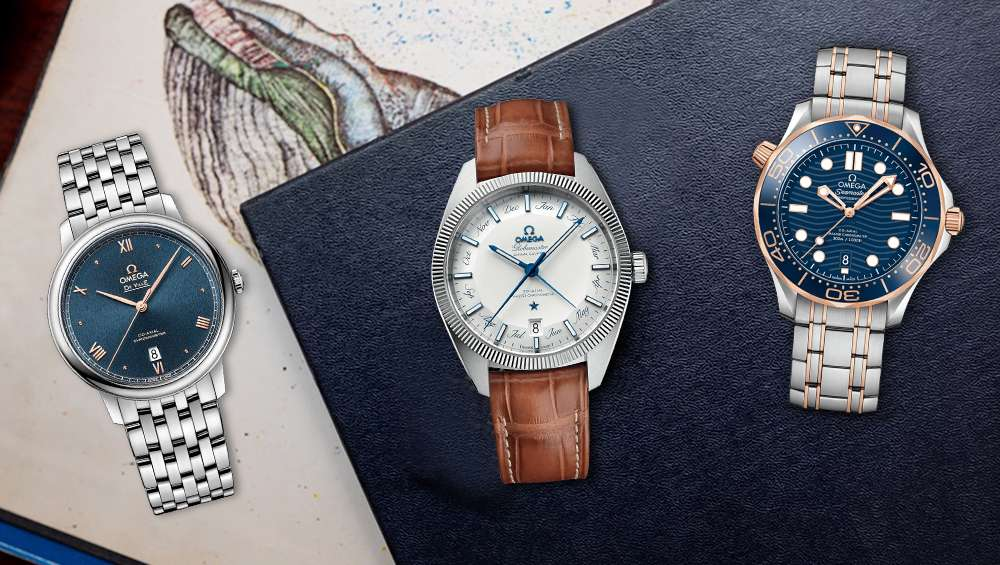
Omega, on the other hand, has focused on heritage, innovation, and accessibility. Known for its role in space exploration (the legendary Speedmaster “Moonwatch”) and Olympic timekeeping, Omega enjoys tremendous prestige but has historically positioned itself slightly below Rolex in terms of luxury branding.
This positioning means that while Omega watches are celebrated for their quality and design, they haven’t reached the same speculative frenzy that drives vintage Rolex prices sky-high.
Factors That Keep Vintage Omega More Affordable
1. Brand Positioning in the Luxury Hierarchy
Rolex has always positioned itself as a symbol of success and exclusivity, while Omega traditionally emphasized innovation and reliability at a more approachable level. This difference in market perception directly affects vintage prices today.
2. Higher Production Numbers
Omega produced many of its classic models in greater quantities than Rolex. The Seamaster and Constellation lines, for instance, were widely distributed, making them more accessible then—and now. Rolex, by contrast, maintained tighter control over production, driving scarcity and demand.
3. Marketing and Cultural Impact
Rolex excelled at associating its watches with adventure, luxury, and celebrities. Omega, though tied to historic events like the Apollo 11 moon landing, hasn’t benefited from the same ongoing celebrity-fueled hype. That lack of sustained cultural marketing keeps prices more modest.
4. Collectors’ Speculative Market
Vintage Rolex has become a cornerstone of the watch investment world. Collectors treat certain models as alternative assets, driving values upward. While Omega does have grails—such as the Speedmaster CK2915 or Seamaster 300 CK2913—most vintage Omega models are collected for passion, not speculation.
5. Case Materials and Movement Recognition
Many vintage Omega watches used gold-capped or gold-plated cases, which don’t always age as gracefully as Rolex’s steel sports models. Additionally, while Omega movements are respected for their technical innovation, they lack the same aura of “legendary calibers” that drive Rolex mania.
Which Vintage Omega Models Stand Out?
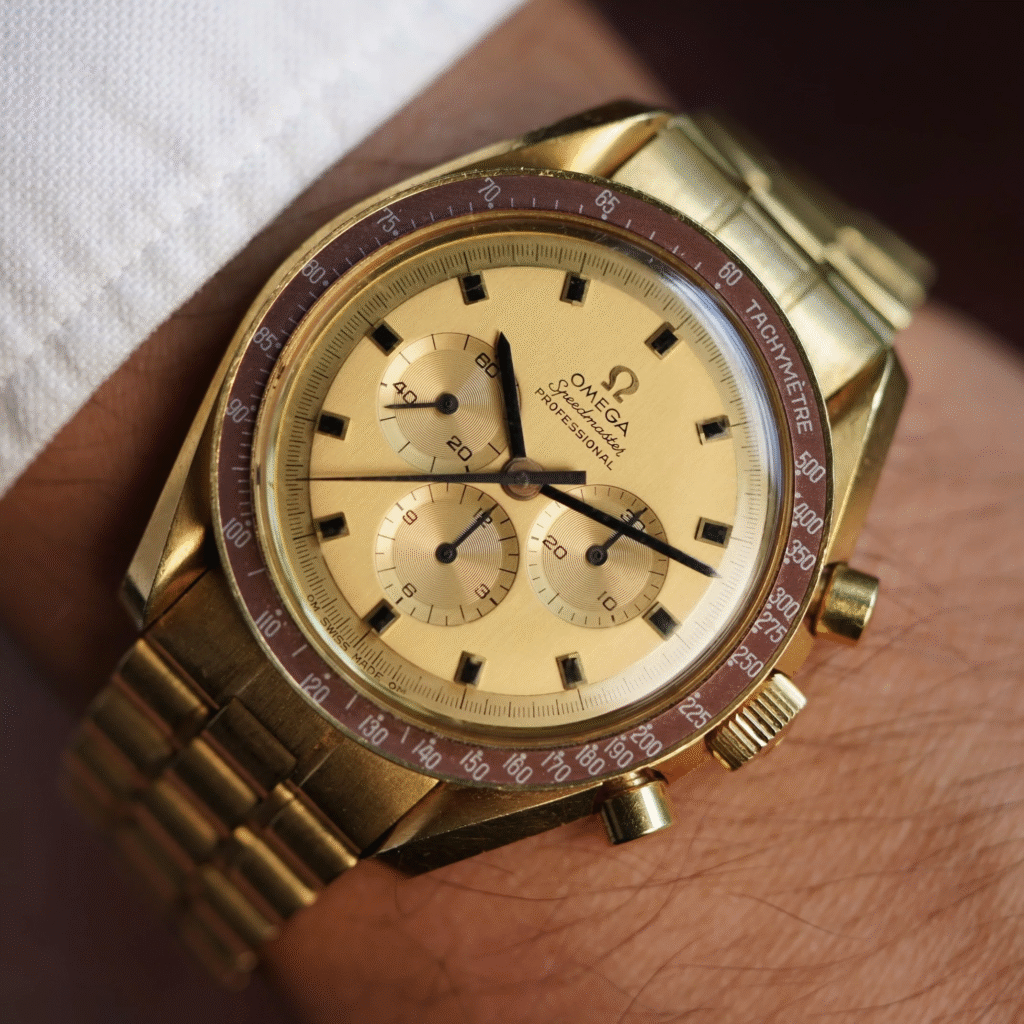
Although vintage Omega is more affordable overall, certain references have strong collector demand:
- Omega Speedmaster Professional (Pre-Moon Models, CK2915, CK2998) – Prices have risen significantly, though still trail Rolex Daytona equivalents.
- Omega Seamaster 300 (CK2913) – A diving classic that rivals the Submariner in looks and performance, but at a fraction of the cost.
- Omega Constellation “Pie-Pan” Dials – Elegant dress watches with distinctive dials, still accessible to new collectors.
- Omega Genève and De Ville – Entry-level vintage models offering style and mechanical reliability without breaking the bank.
Why Collectors Love Vintage Omega
Despite its lower average price point, vintage Omega offers incredible value:
- In-House Movements: Omega has produced some of the most reliable calibers of the 20th century.
- Design Variety: From sporty divers to refined dress watches, Omega’s vintage catalog is remarkably diverse.
- Historical Significance: Few brands can claim to have timed the Olympics, gone to the moon, and produced icons in nearly every category of watchmaking.
- Affordability: Collectors can still pick up excellent examples for under $2,000, a price almost unheard of for vintage Rolex.
Will Vintage Omega Prices Rise?
The affordability of vintage Omega may not last forever. As collectors are priced out of the Rolex market, many are turning to Omega as the next best thing. Already, early Speedmasters and Seamasters have seen substantial appreciation. The trajectory suggests that undervalued models—particularly those with unique dials, untouched cases, or rare references—could gain momentum in the years to come.
Final Thoughts
So, why is vintage Omega still more affordable compared to Rolex? The answer is a mix of brand strategy, production volume, and collector perception. Rolex has mastered exclusivity, fueling astronomical vintage prices, while Omega has remained a more approachable icon.
For enthusiasts, this affordability is a blessing. Vintage Omega offers exceptional craftsmanship, rich history, and timeless design at prices that still make sense in today’s overheated watch market.
If Rolex has become the ultimate status symbol, Omega remains the collector’s insider secret—a reminder that horological greatness doesn’t always have to carry a sky-high price tag.