In the world of horology, few design choices spark as much debate as the caseback. Flip a watch over and you’ll either find a transparent sapphire window revealing the movement, or a solid metal back that hides everything inside. Neither approach is inherently better—each reflects the philosophy, purpose, and heritage of the watch. Understanding why some watches showcase their movements while others conceal them reveals a deeper truth about how brands think about design, durability, and identity.
This article explores the history, function, and meaning behind see-through casebacks, and why not all watches feature them.
The Rise of the Exhibition Caseback
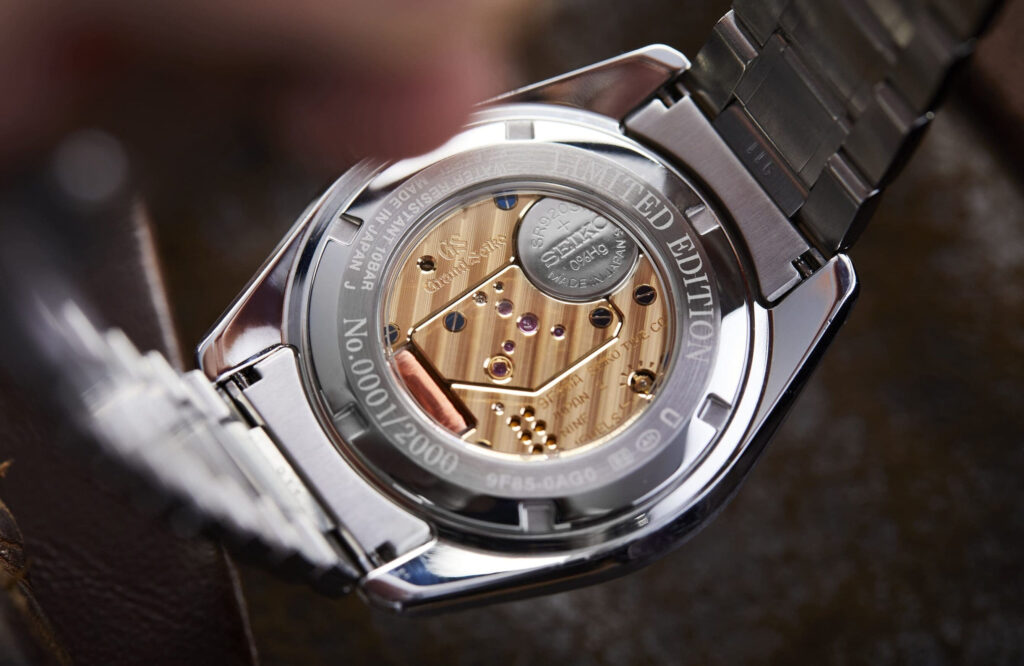
See-through casebacks—also known as exhibition casebacks—became widely popular in the late 20th century as mechanical movements experienced a renaissance. During the quartz era, many consumers had forgotten the craftsmanship behind traditional watchmaking. Brands responded by opening up the back of the watch, literally, to showcase the artistry inside.
A well-finished mechanical movement is beautiful to look at: polished bevels, Geneva stripes, heat-blued screws, and rhythmic oscillations all reflect the soul of the watch. Luxury brands like A. Lange & Söhne, Patek Philippe, and Glashütte Original embraced the exhibition caseback because their movements were not just functional—they were masterpieces of micro-engineering.
But not every watch is made to be admired this way.
When the Caseback Stays Solid
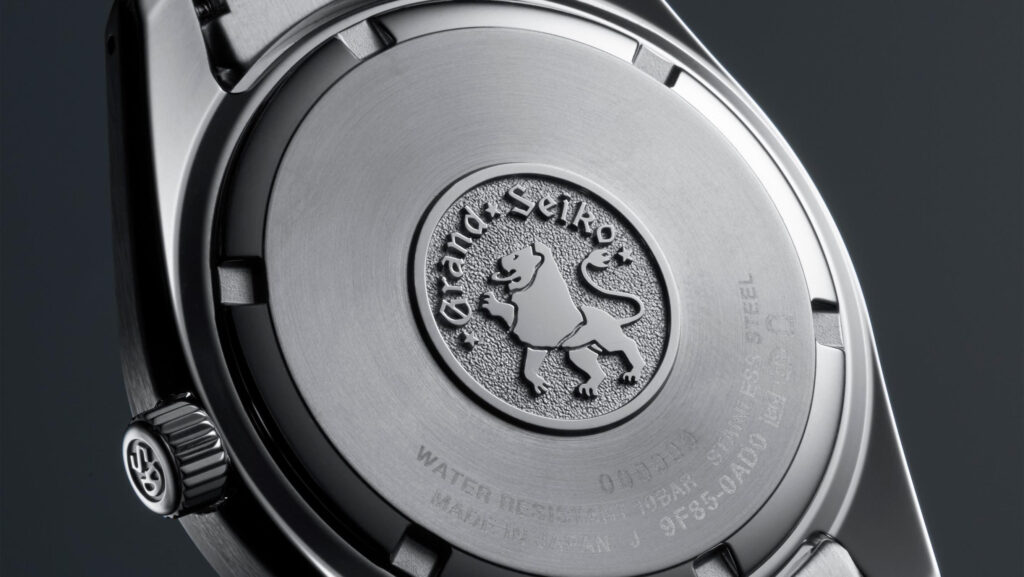
Solid casebacks—typically stainless steel, titanium, or precious metal—remain common for practical and aesthetic reasons. Many tool watches, divers, and military-inspired pieces keep their casebacks closed for durability and heritage. Historically, early watches used solid casebacks to improve structural integrity, water resistance, and shock absorption.
For brands rooted in professional-grade reliability—such as Rolex, Tudor, Omega (for their professional lines), and Seiko’s Prospex range—solid backs communicate seriousness. They align with the watch’s original purpose: to perform under pressure, not pose under showcase lighting.
Some movements also aren’t decorated enough to justify display. Many brands reserve see-through casebacks for higher-end models, where the movement finishing matches the expectations of collectors.
The Practical Reasons Behind Each Choice
A see-through caseback adds visual appeal, but it also introduces engineering considerations. Sapphire crystal is extremely scratch-resistant but must be secured perfectly to maintain water resistance. In high-pressure dive watches or field watches expected to endure impact, a solid metal back simply performs better.
Solid casebacks can also improve anti-magnetic properties. By adding additional shielding—sometimes even soft iron inner cases—brands create an enclosed environment that protects the movement from magnetic fields. This is why many pilot watches and scientific tool watches avoid transparent backs.
On the other hand, exhibition casebacks offer owners a deeper emotional connection with their watch. When you can see the rotor spinning or the balance wheel breathing, the watch becomes a living object rather than a sealed piece of steel. For enthusiasts, this connection is priceless.
Aesthetic Intent: Tradition vs. Modern Transparency
Different watch categories carry different design traditions. Dress watches often favour exhibition casebacks because elegance and refinement are central to their identity. A thin gold watch with a beautifully decorated movement invites contemplation—its purpose is to impress through subtle artistry.
Sports watches, by contrast, often lean toward solid casebacks. Their lineage involves exploration, aviation, and diving—activities where durability outweighs decorative flair. A blank steel back communicates utilitarian strength.
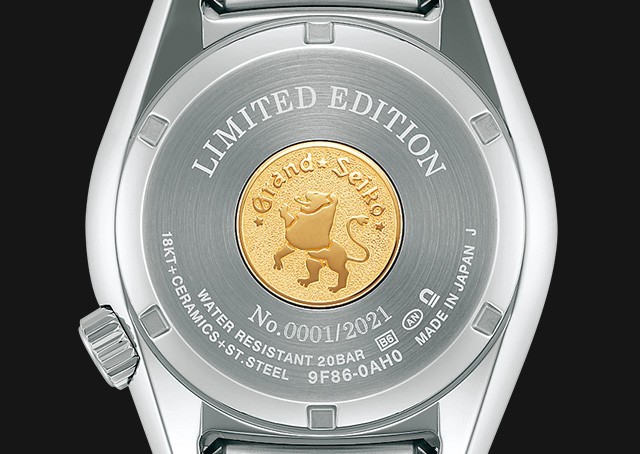
There’s also symbolic value. A solid back gives brands space for engravings: logos, commemorative seals, serial numbers, or caseback artwork. Limited editions often use detailed engravings to create a sense of exclusivity that a transparent window wouldn’t allow.
Cost and Craftsmanship Considerations
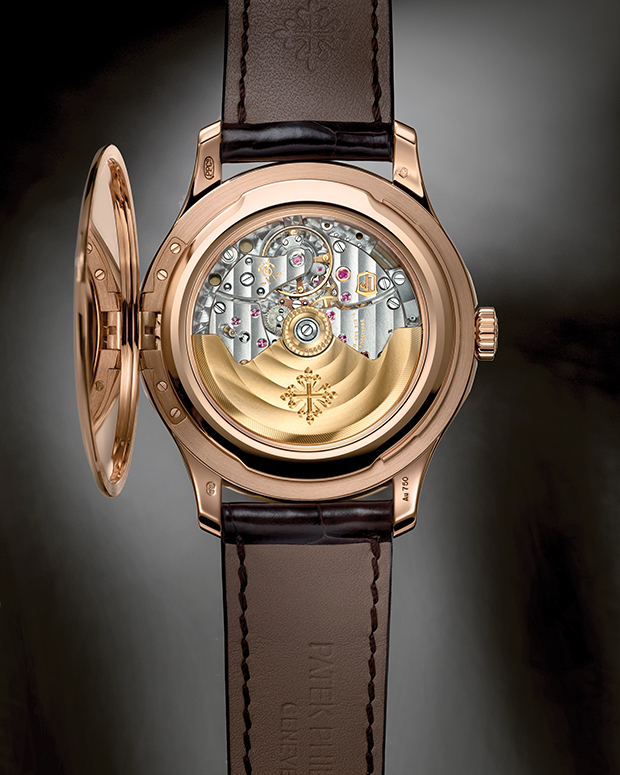
Producing a decorative movement requires time, skill, and money. Côtes de Genève, perlage, chamfering, and rotor engraving add substantial labour costs. Brands won’t display a movement that isn’t attractive, so entry-level mechanical watches or mass-produced movements are more likely to have solid backs.
On the flip side, high horology watches justify see-through casebacks because their movements are extraordinary. A Lange 1 or a Patek Calatrava practically demands to be admired.
Consumers have also grown accustomed to seeing movements, especially in the mid-range luxury market. Exhibition backs provide perceived value—showing “where the money went.”
Why Some Collectors Prefer One Over the Other
Watch enthusiasts often fall into two camps.
Those who love see-through casebacks enjoy the artistry and mechanical theater. They appreciate the chance to observe the heartbeat of their watch and find joy in the smallest details—gear teeth, bridges, ruby jewels, and hand-finished components.
Those who prefer solid backs appreciate heritage, ruggedness, and simplicity. They argue that a tool watch should be sealed, tough, and purposeful—free from unnecessary complications. Solid casebacks also avoid fingerprints and scratches on sapphire that some collectors find annoying.
For vintage purists, solid backs are the historically correct choice. Many iconic references—from early Submariners to Speedmasters—featured solid casebacks for decades.
Modern Trends: The Middle Ground
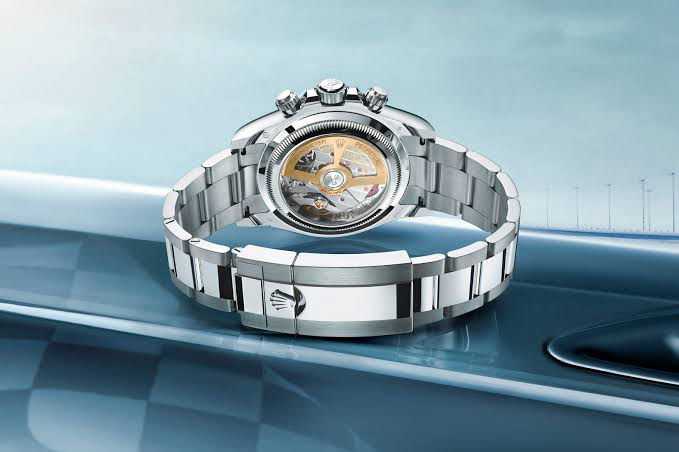
Today, brands are experimenting with hybrid approaches. Some watches offer partially open casebacks, revealing only the balance or rotor. Others engrave the sapphire itself or tint it for a subtle view. Even Rolex, the ultimate tool-watch manufacturer, surprised the industry with a display back on the Daytona’s new movement—suggesting that even traditional brands are embracing transparency.
However, the Explorer, Submariner, and GMT-Master II remain solid-backed for a reason: their identity is tied to durability and legacy, not spectacle.
Final Thoughts
Whether a watch features a see-through caseback or a solid one is more than a design choice—it’s an expression of its purpose, lineage, and philosophy. Exhibition backs celebrate the artistry of watchmaking, inviting the wearer to appreciate the craftsmanship within. Solid backs reinforce durability, tradition, and practicality.
At the end of the day, neither is better—they simply serve different watch identities and different types of collectors. The important thing is knowing what speaks to you: the quiet confidence of a sealed steel back, or the mesmerising beauty of a movement in motion.



One Comment