
A mechanical watch is more than a timekeeping tool—it’s a miniature machine powered by hundreds of moving parts working in perfect harmony. Like any finely engineered device, it needs consistent care to run smoothly and last for generations. Whether you own a simple quartz watch or a high-end mechanical masterpiece, understanding the basics of maintenance protects your investment, preserves accuracy, and prevents expensive repairs down the road.
This Watch Service & Maintenance Cheat Sheet breaks down everything you need to know in clear, practical terms so you can care for your timepiece with confidence.
Why Watch Maintenance Matters
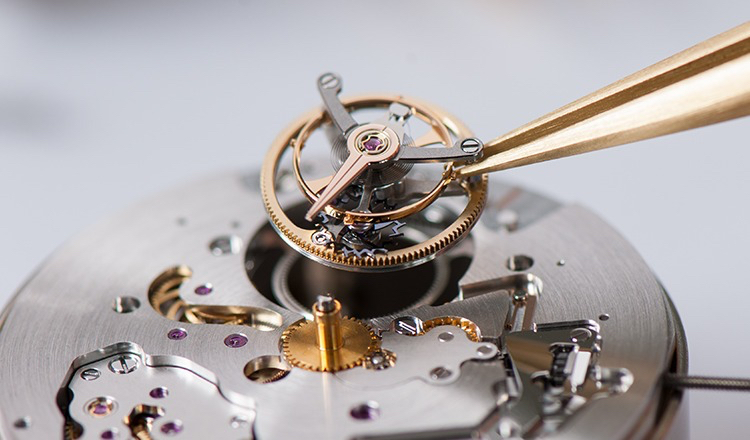
Many new collectors assume that once a watch leaves the boutique, it can run forever without attention. But inside a mechanical movement, components glide against each other thousands of times per hour. Lubricants dry out over time, gaskets degrade, and small shocks or moisture exposure can cause long-term issues. Even quartz watches, though simpler, rely on clean contacts, fresh batteries, and sealed casings.
Proper maintenance ensures several things: reliable timekeeping, long-term durability, water resistance, and protection of your watch’s value. A well-maintained watch doesn’t just look better—it performs better and lasts longer.
How Often Should You Service a Watch?
The recommended service interval varies depending on the type of movement, wear conditions, and brand. In general, most mechanical watches should be serviced every 4 to 7 years, though some high-end brands with modern lubricants may stretch to 10 years. Quartz watches typically require less frequent servicing, but should still be checked during battery replacements.
If you wear a watch frequently, expose it to temperature extremes, or use it for sports, expect shorter intervals. Conversely, dress watches or collector pieces worn occasionally can go longer—but only if sealed properly and stored correctly.
Daily Habits That Keep Your Watch Healthy
Good maintenance starts with everyday habits.
Mechanical watches benefit from gentle handling and mindful use. Avoid exposing your watch to strong magnets—headphone speakers, bags with magnetic clasps, iPad covers, and wireless chargers can all affect accuracy. Removing your watch before sports, heavy lifting, or impact-based activities prevents shocks to the movement.
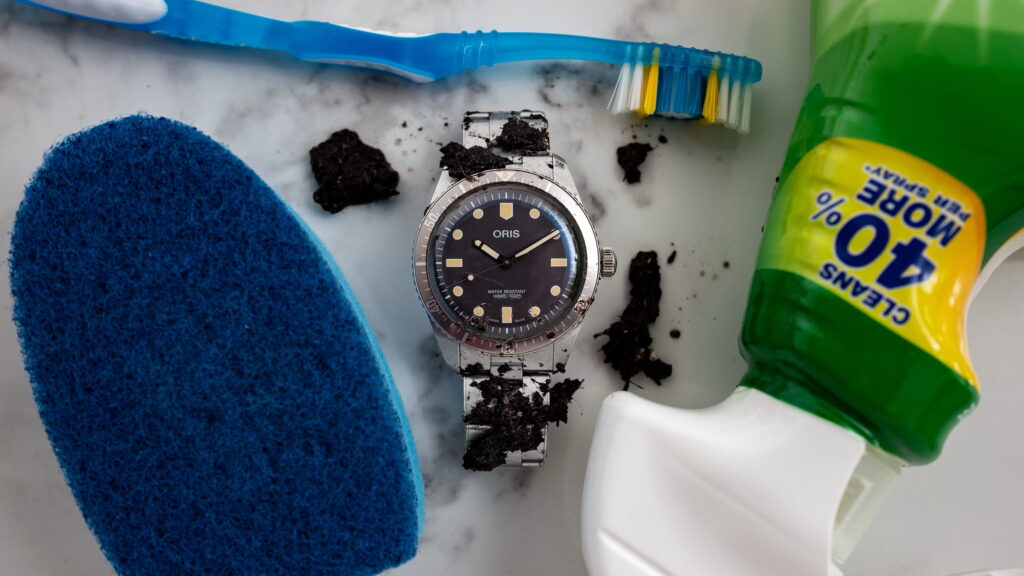
Clean your watch regularly with a microfiber cloth to remove sweat, lotion, and debris. For metal bracelets, occasional cleaning with mild soap and water keeps dirt from wearing down links and pins. Leather straps should be kept away from water, humidity, and perfume to prevent cracking.
Understanding Water Resistance: What It Really Means
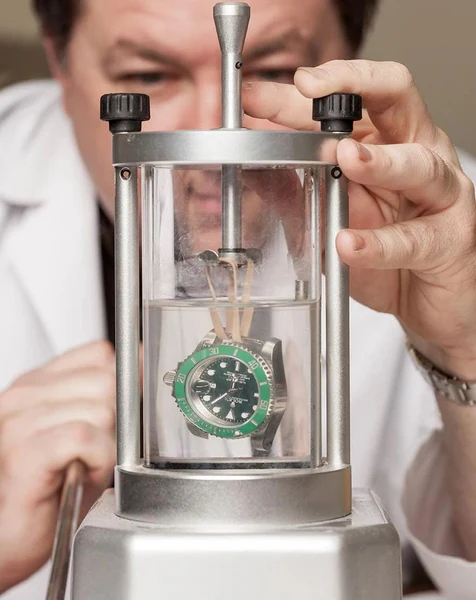
Water resistance often causes confusion. A watch rated at 30 meters isn’t designed for swimming—it’s safe only for light splashes. Water-resistant watches rely on rubber gaskets that degrade over time, which is why periodic pressure testing is essential.
If you swim or dive with your watch, get water resistance checked once a year. Even small changes, such as opening the case for a battery replacement or unscrewing the crown frequently, can compromise the seal. Moisture is one of the most common causes of internal damage, so prevention is key.
When Should You Get Your Watch Checked?
Most issues reveal themselves subtly before they become serious. Slow or inconsistent timekeeping, moisture under the crystal, difficulty winding, and unexpected stopping are all warning signs. A watch that runs too fast or too slow often indicates deteriorating lubrication.
If you notice condensation inside the watch—even for a moment—take it to a watchmaker immediately. Moisture can corrode bridges, rust screws, and stain the dial, all of which are expensive to repair. Never postpone a check-up when something feels off.
Servicing: What Happens During a Full Overhaul
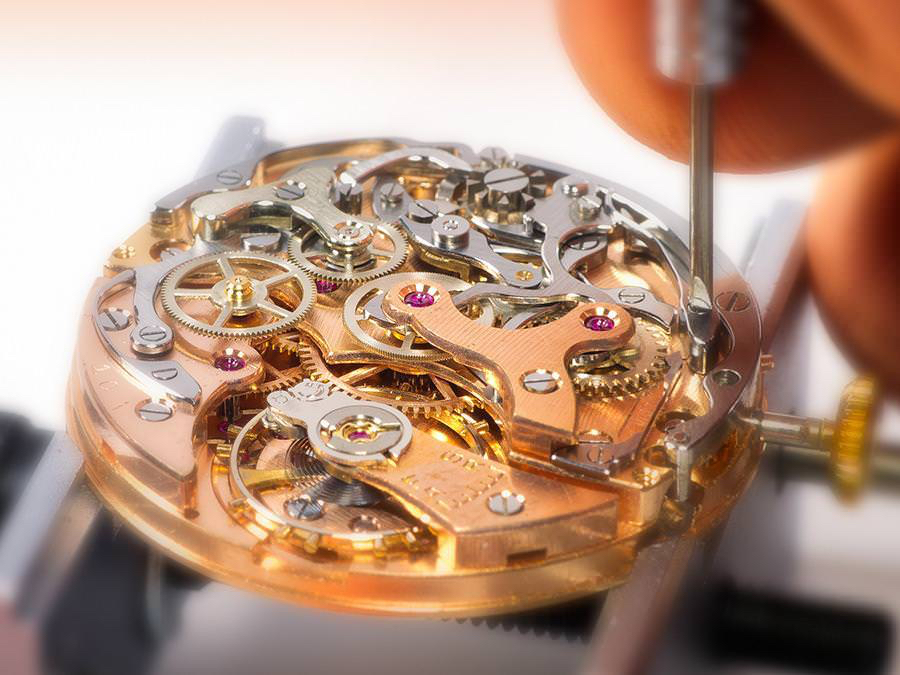
A proper service is more than just cleaning the exterior. During a full overhaul, the watch is disassembled piece by piece. Each component is inspected, ultrasonically cleaned, re-lubricated, and replaced if worn. The watchmaker adjusts the movement for accuracy, reseals the case, performs pressure testing, and polishes the watch if requested.
This process restores the watch to near-factory condition. While servicing costs can be high—especially for luxury brands—the alternative is long-term damage that’s far more expensive to repair.
Storage: Keeping Your Watches Safe and Secure
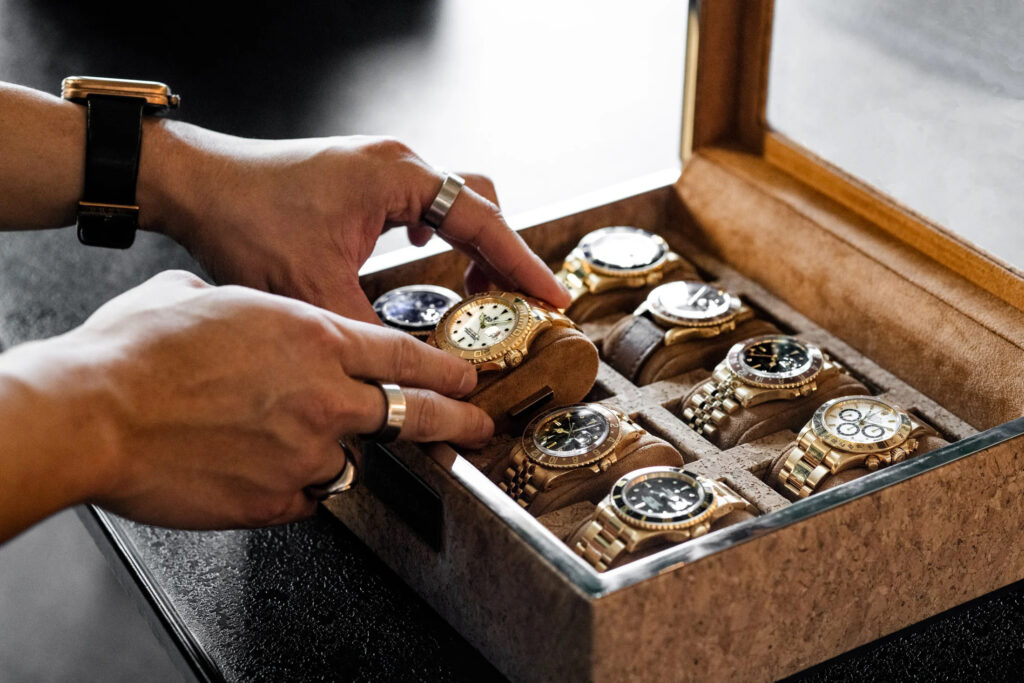
Proper storage protects your watch from dust, humidity, sun exposure, and accidental scratches. Store your watches in a lined box or pouch when not in use. If you have automatics, consider using a watch winder—but only for pieces you wear regularly. Excessive winding puts unnecessary wear on the movement.
For long-term storage, keep your watches in a low-humidity environment (40–50% humidity is ideal) and away from direct sunlight. High-value collections benefit from safes with humidity control and shock absorption.
Battery Care for Quartz Watches
When a quartz battery dies, replace it as soon as possible. Leaving a dead battery inside the watch increases the risk of leakage, which can destroy the movement. During battery replacement, ask your watchmaker to check the gaskets and pressure-test the case if the watch is water resistant.
Quartz watches may not require full overhauls as frequently as mechanical ones, but they still benefit from occasional cleaning, lubrication, and gasket replacement.
Reducing Wear: How to Make Your Watch Last Longer
A few small habits extend the lifespan of your watch significantly. Avoid setting the date during the “danger zone”—typically between 9 PM and 3 AM—when gears are engaged. Take off your watch during high-impact work, such as hammering or weightlifting.
Rotate your watches if you own multiple pieces. Giving each watch rest periods reduces overall wear, especially for vintage or delicate models.
Final Thoughts: A Watch That’s Cared For Lasts a Lifetime
Watches are built to last, but only if treated with attention and respect. With consistent care—simple daily habits, periodic servicing, safe storage, and awareness of warning signs—you can keep your watches running smoothly for decades. Whether you’re building a growing collection or cherishing a single treasured piece, proper maintenance ensures your timepiece remains reliable, beautiful, and ready to be passed down to the next generation.



One Comment