If you’re exploring the world of luxury watches and want to understand what makes IWC Schaffhausen special — and why so many collectors swear by it — this article is for you. From pilot instruments to elegant dress pieces, IWC’s portfolio spans a wide spectrum of styles, functions, and heritage. This guide walks you through the brand’s major model families, their histories, what each collection offers, and how to choose one that fits your lifestyle.
Why IWC Schaffhausen Matters
Founded in 1868 by Florentine Ariosto Jones, IWC Schaffhausen has grown into one of the most respected Swiss watchmakers. Over its long history it has become particularly renowned for combining functional engineering, precision mechanics, and timeless design — often mixing watchmaking heritage with real-world practicality.
What makes IWC appealing to collectors and everyday wearers alike is its breadth: from robust aviator watches to refined dress pieces, from tool-watch toughness to haute horlogerie complications — IWC offers something for virtually every taste.
The Core IWC Collections
IWC’s modern lineup revolves around six main collections. Each has its own identity, history, and design philosophy.
1. Pilot’s Watches (“Aviator” Heritage)
Perhaps the collection most closely associated with IWC’s legacy, the Pilot’s Watches trace their origins to the early 20th-century demand for accurate, legible timepieces for aviators.
These watches are characterised by large numerals, luminous hands, bold dials, and often oversized crowns — making them easy to read even in challenging lighting or while wearing gloves. Some sub-lines are more casual and compact (Classic Pilot), while others — like the WC Pilot’s Watch Timezoner TOP GUN Ceratanium or the IWC Pilot’s Watch Chronograph Edition “Blue Angels” — deliver modern materials and sportier vibes for adventurous wearers.
For those chasing legibility, aviation lineage, or instrument-watch robustness, Pilot’s Watches remain a top choice.
2. Portugieser (Elegance Meets Nautical Legacy)
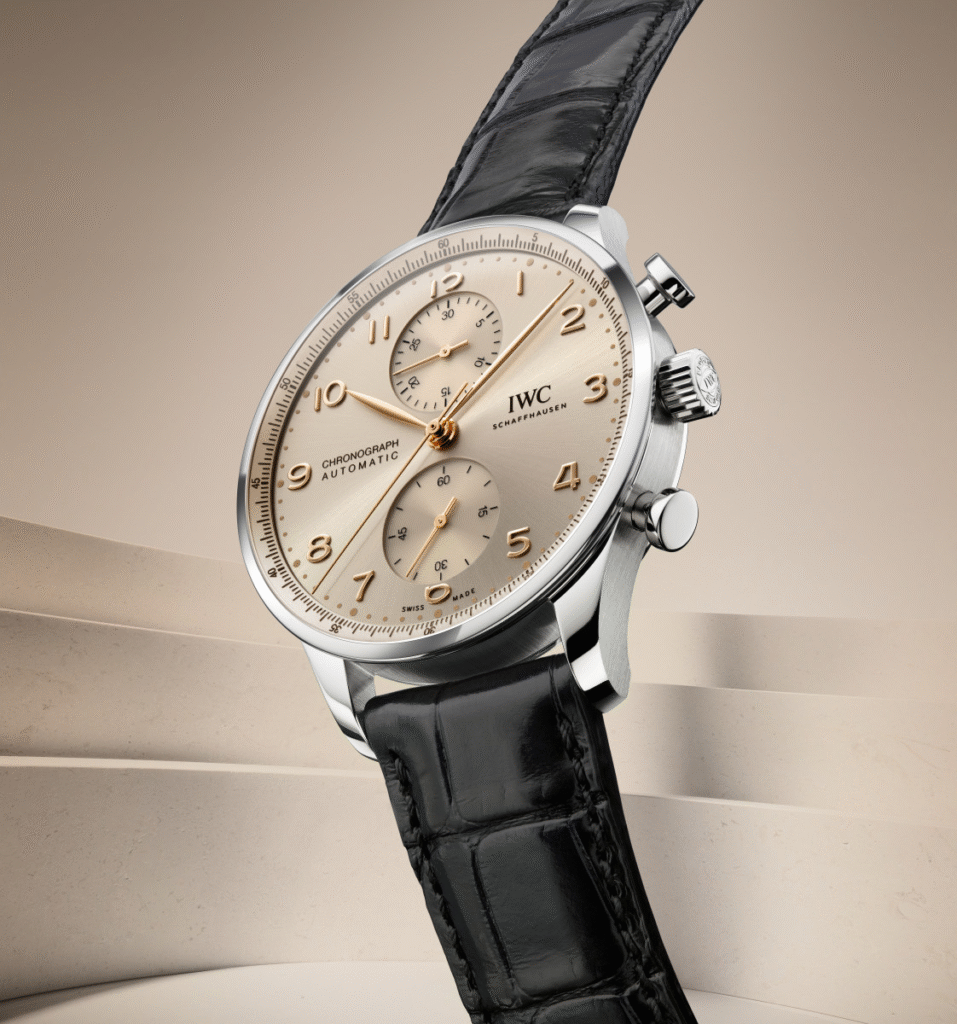
Launched in the late 1930s after a request from Portuguese retailers for precise marine-chronometer-like wristwatches, the “Portuguese”—later styled “Portugieser”— became one of IWC’s signature collections.
Design-wise, Portugieser is recognisable by its large dial size, Arabic numerals, slender leaf-shaped hands, and rail-track minute chapter ring. Under the hood, many models feature in-house calibres with robust power reserves. The IWC Portugieser Automatic 42 and IWC Portugieser Chronograph offer a good mix of classical styling and everyday wearability. For more complications, the line also includes perpetual calendars, tourbillons, and high-complication pieces — reflecting IWC’s watchmaking depth.
Portugieser is ideal for those who value classic dress elegance with mechanical sophistication, often blurring the line between dress and prestige-watch territory.
3. Portofino (Understated Sophistication)
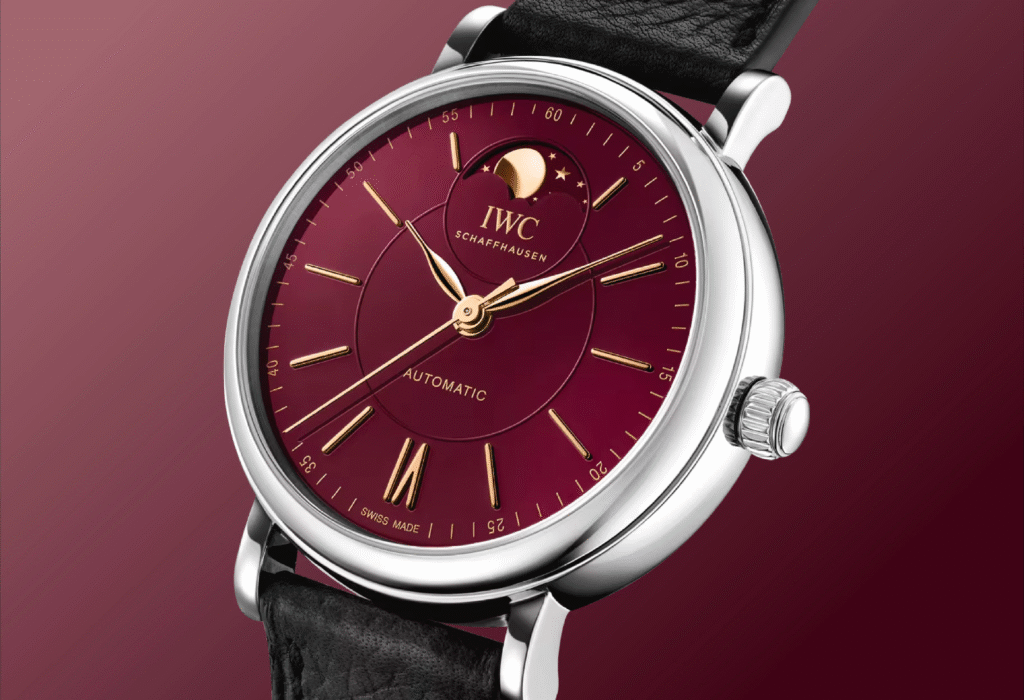
If you want a watch that leans towards minimalist elegance and refined dress-watch proportions, the Portofino line has long served as IWC’s “quiet luxury” offering. Introduced in the 1980s, Portofino draws on the relaxed glamour of the Mediterranean port town of its namesake — offering simplicity, legibility, and versatility.
Models like the IWC Portofino Automatic favour clean dials, classical roman numerals or simple indices, and modest case sizes. Whether for business wear or dress occasions, Portofino watches are about restraint, elegance, and timeless appeal — perfect for those who appreciate subtlety over flash.
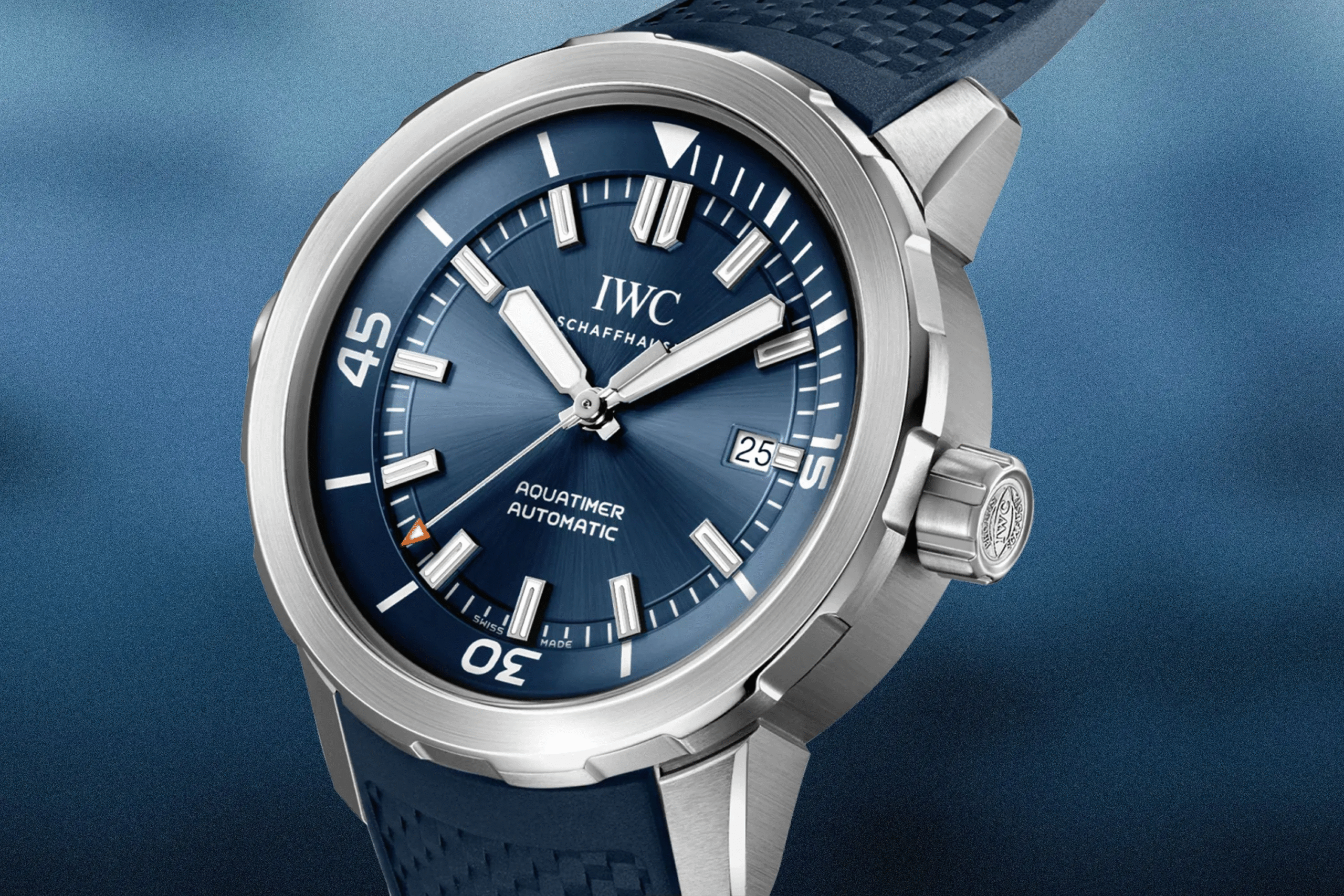
4. Aquatimer (IWC’s Dive & Adventure Collection)
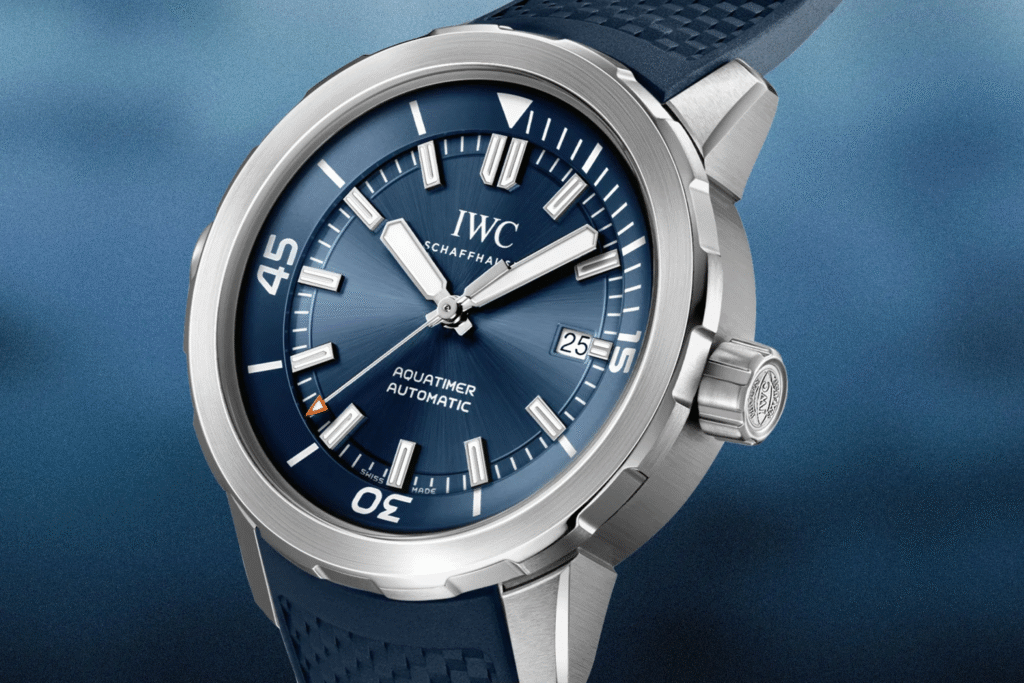
For those drawn to sport, adventure, and aquatic exploration, the Aquatimer line brings IWC into the world of dive watches. Originally conceived decades ago, IWC relaunched the Aquatimer with modern features including internal/external rotating bezels, substantial water resistance, and contemporary designs.
The IWC Aquatimer Automatic 42mm exemplifies the spirit: a robust tool-watch built for underwater adventures but finished with the polish and quality expected of a luxury brand. Aquatimer is ideal if you want a watch that can handle water, sport, or casual wear — without compromising craftsmanship.
5. Ingenieur (Engineering Heritage & Anti-Magnetic Innovation)
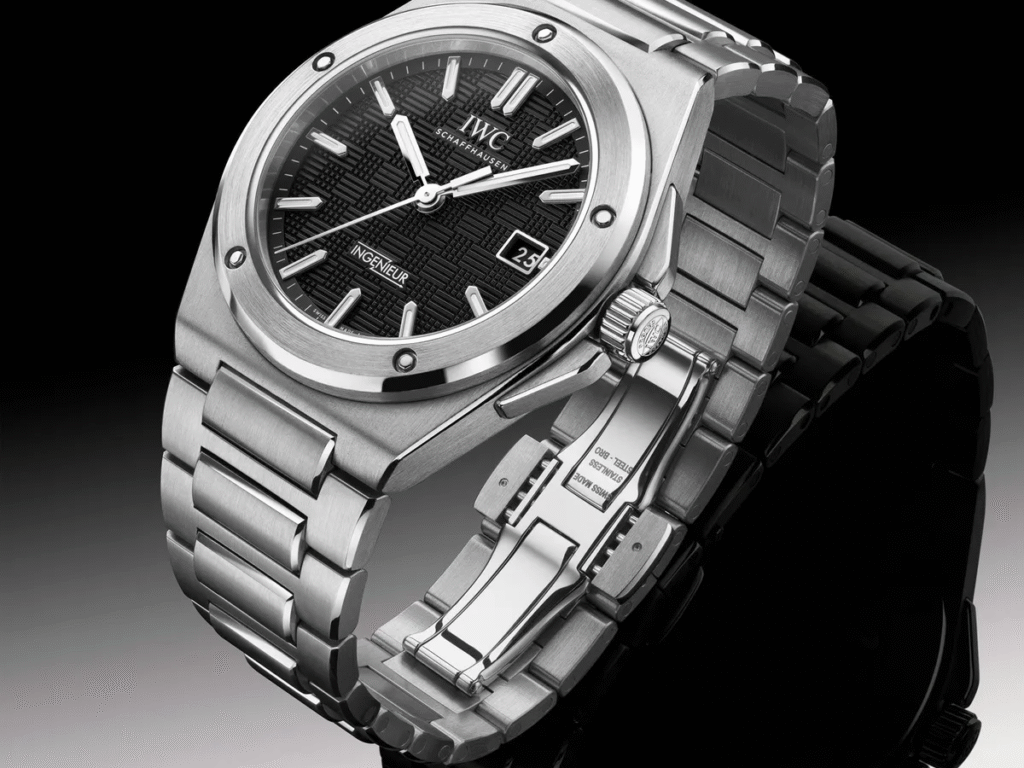
The Ingenieur collection dates back to 1955. From the outset, it was built for engineers, scientists, and technical professionals needing reliability and resistance to magnetic fields and harsh conditions.
Over time — including a landmark redesign in the 1970s by legendary designer Gérald Genta — Ingenieur has oscillated between a sporty tool-watch and a luxury steel-bracelet sports watch. Recent reissues, like the 2023 Ingenieur Automatic 40, blend vintage cues with modern finishing and materials.
Ingenieur remains a choice for those who appreciate technical heritage, robust engineering, and mechanical authenticity — particularly if you lead an active lifestyle or spend time around magnetic or industrial environments.
6. Haute Horlogerie & Special Pieces
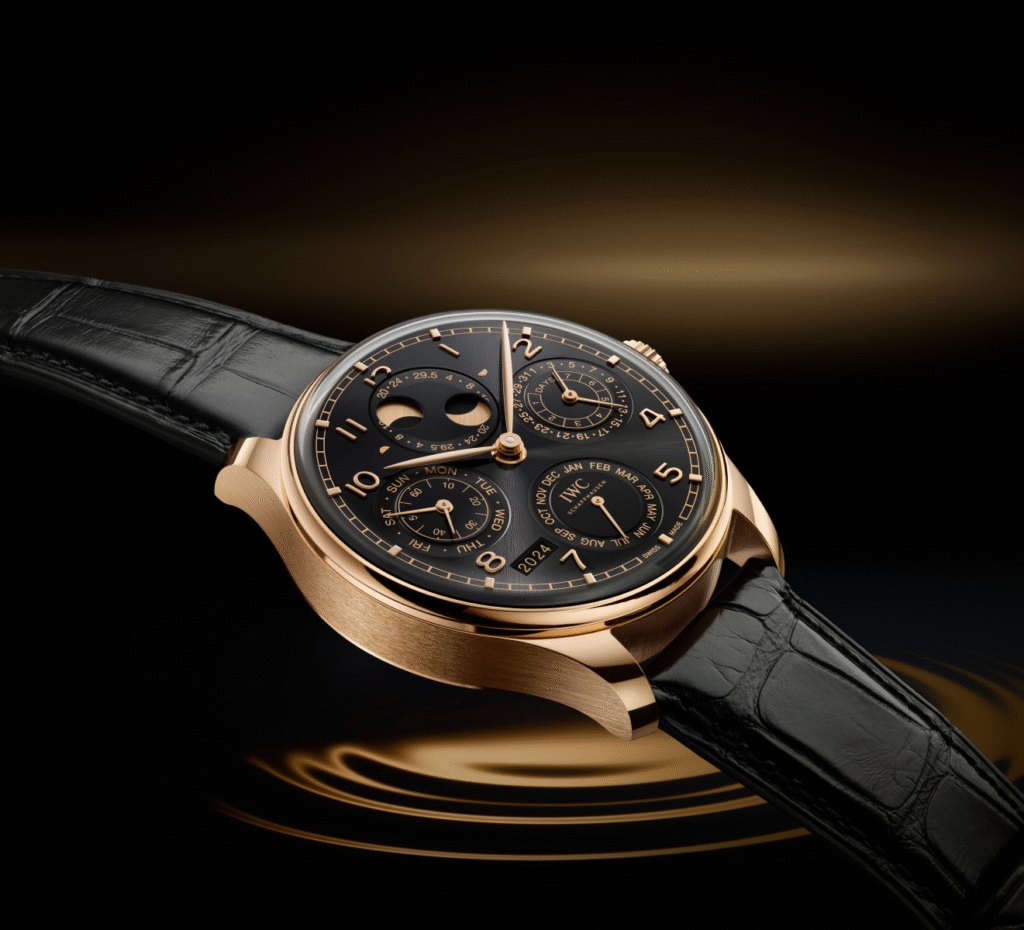
Beyond the main collections, IWC has long explored higher-end complications and unique creations. From the tourbillon-equipped Grande Complication watches to celestial calendar masterpieces like the IWC Sidérale Scafusia, the brand has shown it can tackle ambitious complications and bespoke craftsmanship.
These pieces are the domain of serious collectors — rare, often made-to-order, and exploring the boundaries of mechanical watchmaking rather than aiming for mass appeal.
How to Choose the Right IWC for You
With so many collections and variations, selecting the perfect IWC depends on personal taste, lifestyle, and purpose. Here’s how to navigate:
- Lifestyle & Use: For everyday casual or sporty wear — consider Aquatimer or Pilot. For dressy or formal settings — Portofino or Portugieser. For versatility and occasional sport — Ingenieur or Portugieser.
- Wrist size & comfort: Larger collections like Pilot, Aquatimer or Portugieser often have bigger cases. If you prefer understated proportions, Portofino offers more compact alternatives.
- Purpose & function: Need water resistance or diving capability? Choose Aquatimer. Prefer clarity and aviation heritage? Go Pilot. Love dress watches with mechanical soul? Portugieser. Want technical robustness with anti-magnetic protection? Ingenieur.
- Long-term value & collectability: Limited editions, complicated models, or pieces from landmark years (e.g. early In-house movement releases) often hold appeal for collectors.
Why IWC Remains a Top Contender for Watch Lovers
- Legacy & heritage — Over 150 years of history sits behind every watch.
- Diverse offerings — From pilot instruments and sports divers to dress classics and haute complications, there’s an IWC for nearly every taste.
- Engineering strength — Calibres like the 52000/50000 series (with Pellaton winding system), anti-magnetic cases, and serious dive-watch constructions prove IWC’s technical chops.
- Balance of style and substance — Whether you want understated elegance or rugged tool-watch grit, IWC blends functionality with aesthetics beautifully.
Final Thoughts
IWC Schaffhausen’s strength lies in its versatility. Few watchmakers offer such a broad — yet coherent — range, with each collection carrying its own identity while contributing to the overall brand spirit: precision, durability, heritage, and timeless design.
Whether you’re buying your first luxury watch or adding to a growing collection, IWC gives you options — from dependable everyday pieces to rare haute horlogerie masterpieces. Understanding the collections above helps ensure you choose not just a watch, but a companion for years to come.
Frequently Asked Questions (FAQ) — IWC Schaffhausen
1. Is IWC Schaffhausen considered a luxury watch brand?
Yes. IWC Schaffhausen is widely recognized as a Swiss luxury watch manufacturer known for precision engineering, exceptional finishing, and iconic designs. The brand is positioned alongside names like Omega, Jaeger-LeCoultre, and even Rolex in certain segments.
2. What is IWC most famous for?
IWC is best known for its Pilot’s Watches, especially the Big Pilot and Mark series. The brand is also renowned for the Portugieser chronograph, elegant Portofino dress watches, the engineering-driven Ingenieur, and rugged Aquatimer dive models.
3. Are IWC watches good investments?
While IWC is respected for its quality and heritage, not all models appreciate in monetary value.
The pieces with the strongest long-term demand include:
- Big Pilot models
- Portugieser chronographs
- Iconic vintage Ingenieur references
Collectors typically buy IWC for craftsmanship and heritage rather than speculation.
4. What movements does IWC use?
IWC uses a mix of in-house calibres and modified ETA/Sellita base movements, depending on the model.
Their in-house movements include:
- 52000 and 82000 series (Pellaton winding system)
- 89xxx chronograph calibres
These movements are known for their reliability, finishing, and power-reserve performance.
5. Is IWC better than Omega?
Both brands excel in different areas.
Omega offers cutting-edge technology (Co-Axial escapement, Master Chronometer certification). IWC focuses more on classical Swiss engineering, iconic pilot design, and refined finishing. Choosing between them depends on whether you prefer modern technical innovation (Omega) or heritage-driven craftsmanship (IWC).
6. Which IWC model is best for everyday wear?
The most versatile everyday IWC watches are:
- Portofino Automatic — minimal and dressy
- Pilot’s Watch Automatic 40 — clean, legible, and casual
- Portugieser Automatic 40 or Chronograph — elegant but still wearable daily
- Ingenieur Automatic 40 — sporty luxury with Genta-influenced design
7. Are IWC Pilot’s Watches too big?
Some of the classic Pilot’s Watches (like the Big Pilot at 46 mm) are intentionally oversized due to their aviation roots.
However, IWC now offers smaller alternatives such as the Pilot’s Watch 40 mm and Mark XX, which fit most wrists comfortably.
8. How often should an IWC watch be serviced?
IWC recommends servicing every 5–7 years, depending on wear habits, exposure to water, and environment. Regular servicing ensures accuracy, water resistance, and longevity.
9. What makes the IWC Portugieser special?
The Portugieser stands out for its:
- Large, highly legible dial
- Nautical-chronometer inspiration
- Iconic chronograph layout
- Distinctive Arabic numerals and leaf hands
Its clean design and well-proportioned case make it a favourite among collectors and first-time luxury buyers.
10. Is the IWC Portofino a good dress watch?
Yes. The Portofino collection is one of IWC’s most refined and minimalist lines, known for slim cases, Roman numerals, and understated elegance. It’s ideal for business, evening wear, or anyone seeking a sophisticated, quiet-luxury timepiece.
11. What is IWC’s most affordable watch?
The entry point for most buyers is the Portofino Automatic 34 or 40, followed by the Pilot’s Watch Automatic 40. Prices vary by region, but these offer the most accessible way into the brand.
12. Are IWC watches water-resistant enough for swimming?
It depends on the model:
- Aquatimer — ideal for swimming and diving
- Pilot’s Watches — generally okay for splashes/light swimming (check the individual WR rating)
- Portofino/Portugieser — not ideal for swimming; stick to dress use
13. What’s the difference between the Ingenieur and the Aquatimer?
- Ingenieur: Anti-magnetic engineering, sporty-luxury case, historically linked to technical professions
- Aquatimer: Professional diving features, rotating bezel systems, high water resistance
- Choose the Ingenieur for everyday sporty elegance, and the Aquatimer for aquatic use.
14. Does IWC make women’s watches?
Yes. Collections like Portofino and Pilot’s Watches include smaller 34 mm and 37 mm sizes, while many women also enjoy wearing 36–40 mm models for a modern, gender-neutral look.
15. Is IWC part of a larger company?
Yes. IWC is owned by Richemont, the luxury group that also manages Cartier, Jaeger-LeCoultre, Panerai, and Vacheron Constantin.


One Comment