There was a time when buying a vintage watch felt like an act of curiosity rather than a clinical exercise. You hunted, you learned, you took a risk. You accepted that time leaves marks, and that those marks were part of the bargain. Somewhere along the way, however, a new class of collector emerged — meticulous, spreadsheet-armed, and deeply allergic to imperfection. Enter the era of the condition snob.
I use the term lightly, and with some self-awareness, because if you’ve been collecting long enough, you’ve probably been one at some point — or at least flirted with becoming one. I know I have.
When Condition Became the Conversation
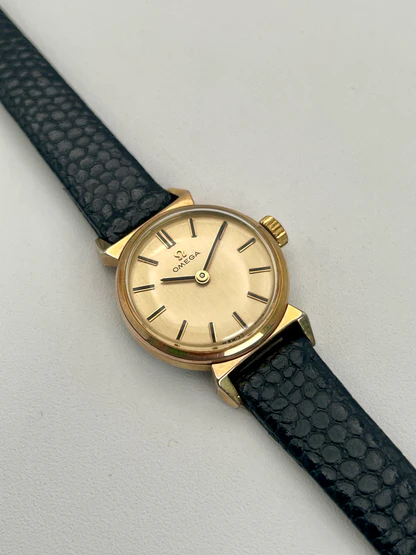
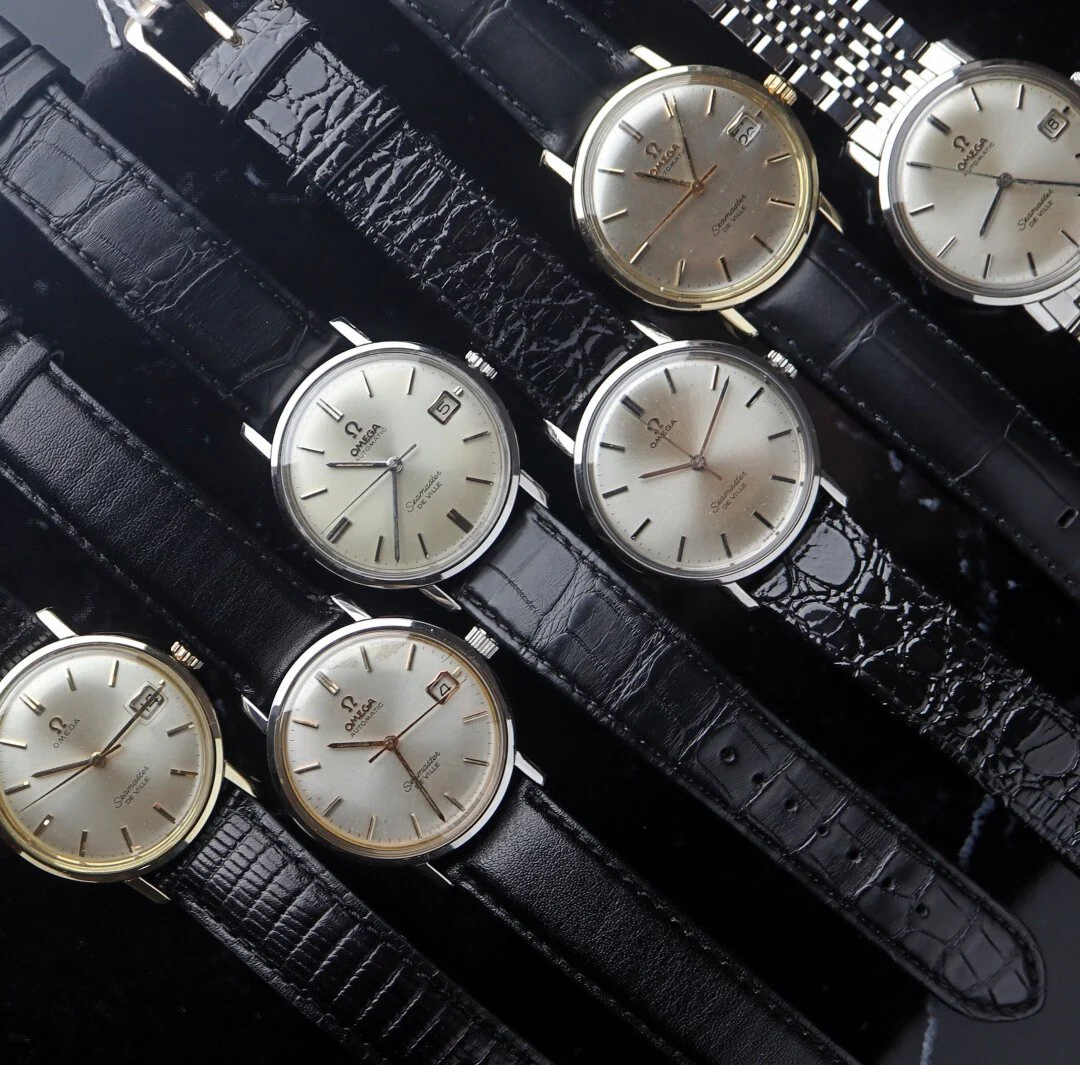
I remember my first “serious” vintage purchase. It was an Omega from the late 1960s, with a dial that had clearly lived a life. The lume plots were uneven, the edges of the case softened by polishing decades earlier, and the dial had developed a warm, almost honeyed tone. At the time, I didn’t even know the term patina. I just knew the watch felt right on my wrist.
Fast forward a few years, and the conversation had shifted. Suddenly, the same watch would be dissected online: “Dial too clean,” “Case over-polished,” “Lume likely re-applied.” Forums became courtrooms. Instagram comments turned into forensic reports. Condition wasn’t just a factor anymore — it became the factor.
Today, it’s not uncommon to hear collectors dismiss an otherwise charming vintage watch with a single phrase: “It’s not mint.”
The Social Media Effect
There’s no denying the role social media has played in shaping this mindset. Instagram, in particular, rewards perfection. Crisp bevels. Even lume. Untouched dials photographed under soft lighting. When every watch is framed as an object of visual consumption, flaws stop feeling romantic and start feeling like liabilities.
I’ve lost count of how many times I’ve seen collectors pass on watches they genuinely liked because someone online pointed out a “problem” they hadn’t noticed before. A spot on the dial. A slightly mismatched hand. A crown that wasn’t period-correct down to the micron.
Once you see these things, it’s hard to unsee them.
Knowledge Is a Double-Edged Sword
To be clear, knowledge is not the enemy. Learning how to identify redials, replacement parts, or excessive polishing is essential if you want to avoid overpaying or getting burned. But there’s a difference between being informed and being immobilised.
At some point, education turned into paralysis. Collectors began treating vintage watches like museum artefacts rather than wearable objects. Anything that deviated from an imagined “as-new” standard became suspect — even when that standard never truly existed in the first place.
Vintage watches were tools. They were worn, serviced, polished, repaired, and sometimes improvised. Expecting a 50- or 60-year-old watch to look untouched is, frankly, ahistorical.
The Myth of “Unpolished”
Few words carry as much weight in vintage listings today as unpolished. It’s presented like a moral virtue — a badge of purity. And yes, sharp cases are desirable. But the obsession with untouched metal often ignores reality.
Most watches that survived decades of daily wear were polished at some point. Sometimes carefully. Sometimes poorly. What matters more than whether a watch was polished is how it was polished and what remains of its original character.
I’ve handled watches that were technically unpolished but looked worse than carefully maintained examples that had been serviced responsibly over time. Yet the former commanded higher prices simply because it fit the narrative.
Condition vs. Character
Here’s the uncomfortable truth: condition doesn’t always equal charm.
Some of the most compelling vintage watches I’ve owned would fail modern condition tests. One had uneven lume plots that glowed differently under low light. Another had a dial that shifted color depending on the angle — something no factory finish could replicate. These watches weren’t perfect, but they were alive.
Contrast that with some “museum-grade” pieces I’ve seen — flawless, sterile, almost intimidating. Beautiful, yes. But emotionally distant. Watches you admire more than wear.
Condition snobbery tends to strip vintage watches of their humanity.
When Investment Thinking Takes Over
Another driver behind this trend is the increasing overlap between collecting and investing. As vintage watches became financial assets, condition became currency. The cleaner the watch, the easier it is to sell. The easier it is to justify the price.
This mindset makes sense if your primary goal is liquidity. But it changes the way watches are experienced. Instead of asking “Do I love this?”, collectors ask “Will the market approve of this?”
I’ve watched friends pass on watches they genuinely wanted because they were worried about resale optics. That’s not collecting — that’s portfolio management.
The Gatekeeping Effect
Condition snobbery has also created a subtle form of gatekeeping. New collectors, already intimidated by terminology and price points, now feel pressure to buy “correctly.” They’re told to avoid anything with flaws, to wait for the perfect example — often without realizing that perfection commands a premium that’s out of reach for many.
As a result, fewer people actually wear vintage watches. They admire them online instead.
That’s a loss for the hobby.
A Personal Reckoning
I’ll admit something: I’ve sold watches I shouldn’t have. Not because I didn’t love them, but because I convinced myself they weren’t “good enough” by modern collector standards. I traded soul for spec sheets.
Years later, I still think about those watches — not the mint examples I own now, but the imperfect ones that felt personal.
That realization changed how I collect today. I still care about originality. I still avoid outright Frankenstein watches. But I’ve stopped chasing theoretical perfection.
If a watch makes me want to check the time more often than I need to, it’s doing its job.
Where the Pendulum Might Swing Next
Interestingly, there are early signs that the market may be correcting itself. Younger collectors, especially those coming from design or fashion backgrounds, seem less concerned with textbook correctness and more interested in story.
They ask different questions:
– Who wore this watch?
– Why does it look this way?
– What has it lived through?
These collectors don’t want clones. They want individuality.
If that mindset continues, we may see a renewed appreciation for honest wear — not as a compromise, but as a feature.
A More Balanced Way Forward
Condition matters. Of course it does. But it shouldn’t matter more than enjoyment.
The healthiest collectors I know are the ones who understand nuance. They can appreciate a museum-quality example without dismissing a worn one. They know when a flaw is a deal-breaker and when it’s simply part of the watch’s story.
Vintage watches aren’t static objects. They’re survivors.
And maybe that’s what condition snobbery forgets: the very imperfections we try to erase are often the things that make a watch worth loving in the first place.
Final Thoughts
If you’re new to vintage collecting, here’s my advice — and it’s opinionated, but earned:
Learn the rules. Understand the pitfalls. Respect originality.
Then, once you know all that, give yourself permission to break the rules occasionally.
Buy the watch that makes you smile when you strap it on. Buy the watch that feels like it chose you as much as you chose it.
Because at the end of the day, the best vintage watch isn’t the one with the sharpest lugs or the cleanest dial.
It’s the one you actually wear.