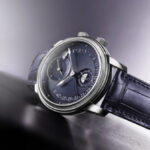
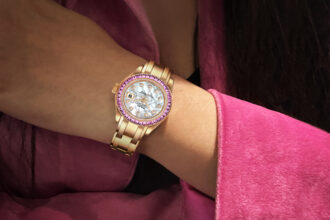
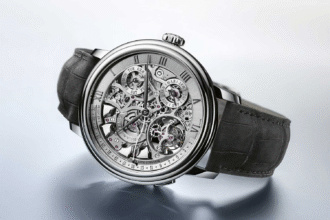
When most people think about buying a luxury watch, they focus on the upfront price tag—the retail figure at the boutique or the hammer price at auction. But seasoned collectors know the truth: the purchase price is only the beginning. Behind the gleaming sapphire crystals and finely polished cases, luxury watches carry a series of hidden costs that every owner should be prepared for.
Whether you’re buying your first Rolex, expanding an Omega collection, or investing in a Patek Philippe, understanding these costs will not only save you from unpleasant surprises but also ensure that your watch remains in top condition for years to come.
1. Servicing and Maintenance
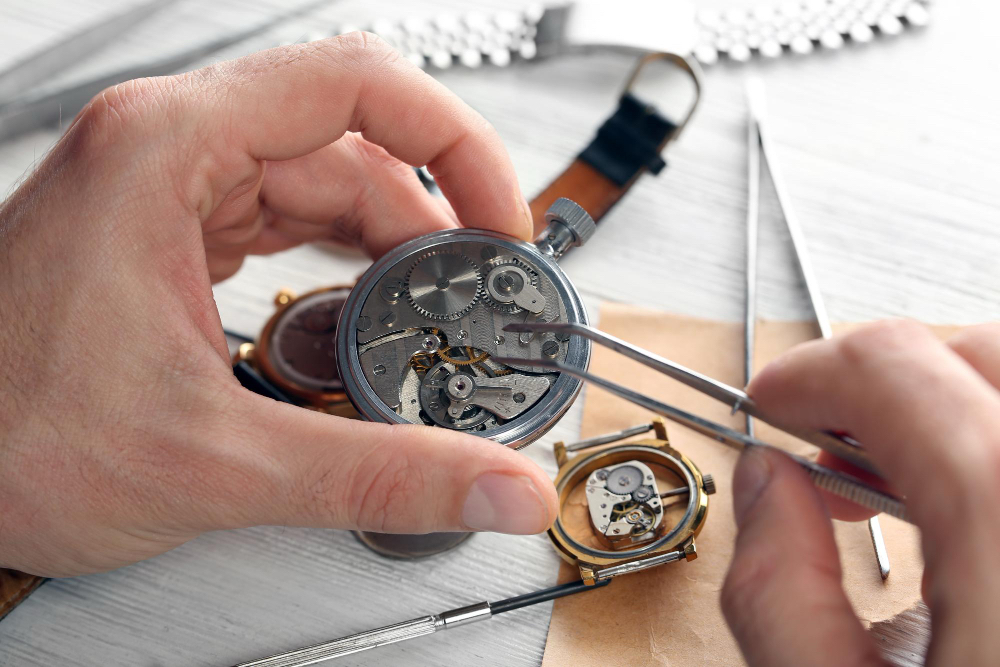
The most significant long-term cost of owning a luxury watch is regular servicing. Mechanical watches are intricate machines, often made of hundreds of tiny components working in perfect harmony. Like any machine, they need periodic care.
Service intervals: Most manufacturers recommend servicing every 3 to 7 years.
Costs: Depending on the brand, a standard service can range from $500 to over $1,500. For complications like perpetual calendars or tourbillons, the price can climb into the thousands.
Skipping service may save money in the short run, but it risks damaging the movement, which can be far more expensive to repair.
2. Insurance
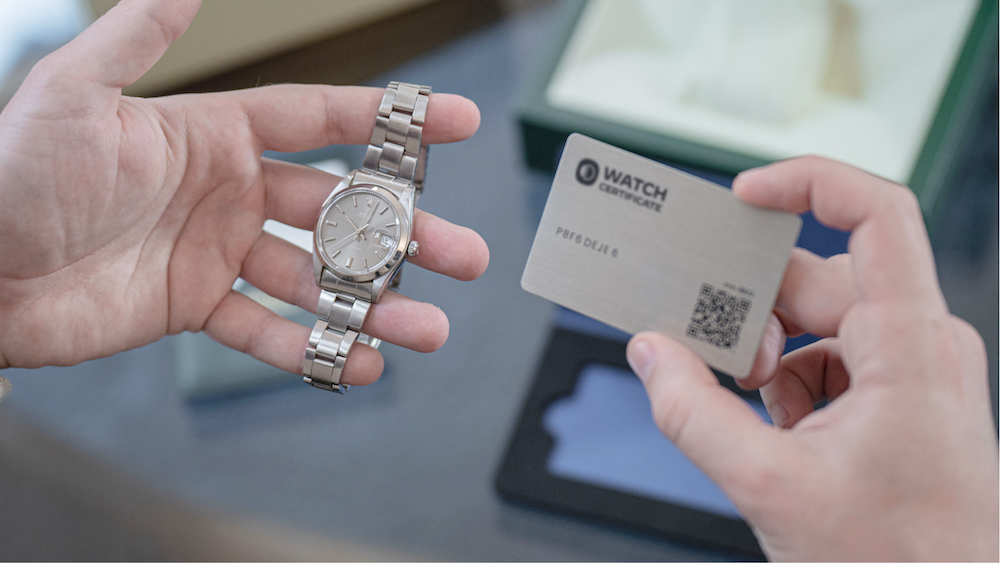
Once you own a watch worth several thousand dollars—or tens of thousands—it makes sense to insure it. While some homeowners’ policies offer limited coverage, serious collectors often purchase specialized watch or jewelry insurance.
Annual premiums: Expect to pay 1–2% of the watch’s appraised value each year.
Appraisals: Insurance requires up-to-date valuations, which often means paying for professional appraisals.
Insurance is one of those costs you may never use, but if the unthinkable happens—loss, theft, or damage—you’ll be grateful you had it.
3. Storage and Security
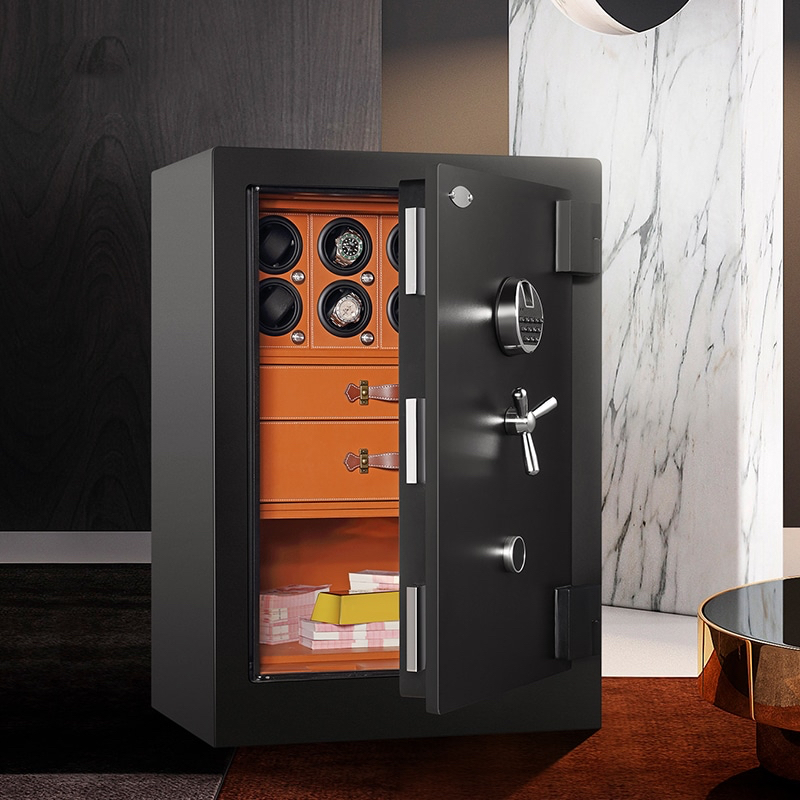
A luxury watch collection isn’t something you leave on a dresser. Proper storage is both a cost and a necessity.
Safes: Fireproof and theft-resistant safes are standard for collectors, costing anywhere from a few hundred to several thousand dollars.
Safe deposit boxes: Some choose to store high-value pieces at banks, which adds monthly or annual fees.
Home security systems: Alarm systems and surveillance often come into play once collections grow in value.
These measures protect not just your watches but also your peace of mind.
4. Accessories and Wear
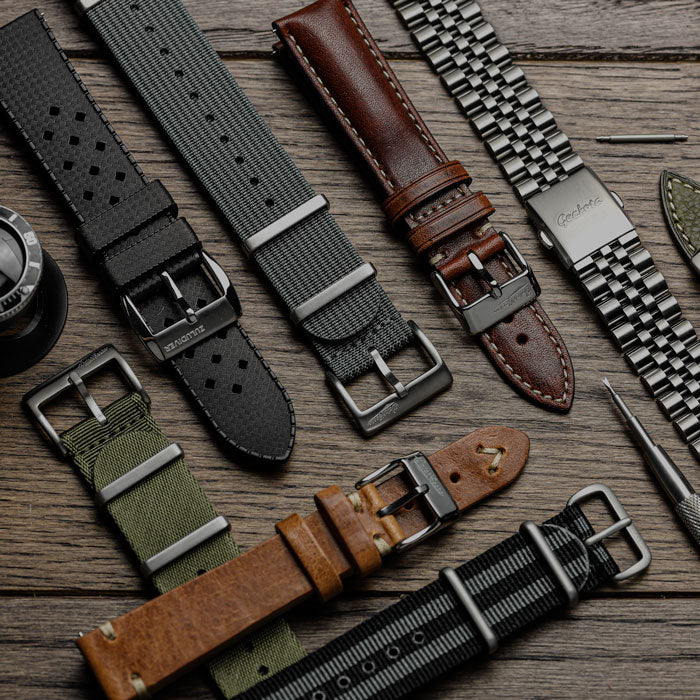
Even the finest watches have consumable parts. Straps, buckles, and bracelets often need replacement over time.
Leather straps: High-quality alligator or calf straps may only last 1–2 years with regular use. Replacements from the manufacturer can cost $200–$600 each.
Bracelet maintenance: Metal bracelets stretch with wear. Refurbishment—or replacement—can be costly, especially with brands like Rolex or Audemars Piguet.
These small but recurring expenses add up over a decade of ownership.
5. Depreciation and Resale Realities
Many buyers convince themselves that luxury watches are always an “investment.” While some watches—particularly limited editions or iconic models—do appreciate, the reality is that most watches depreciate, at least initially.
Immediate depreciation: Buying at retail often means an instant loss if you decide to resell.
Market fluctuations: Secondary market prices can swing based on demand, hype, and even celebrity endorsements.
If you’re not careful, you may pay top dollar for a piece that loses value over time.
6. Travel and Wear Risks
Owning a luxury watch also comes with lifestyle considerations. Traveling with a high-value watch can attract unwanted attention, and wear in rough environments increases the risk of scratches, dents, or water intrusion.
Many collectors invest in watch rolls, travel cases, and discreet storage solutions to minimise these risks. While not as costly as servicing, these accessories are yet another line item in the ownership ledger.
7. The Cost of Collecting Itself
Finally, there’s the hidden cost of passion. Watch collecting is rarely a “buy one and done” hobby. For many enthusiasts, one luxury watch sparks the desire for another—and then another. Limited editions, brand anniversaries, and auction discoveries tempt collectors into continual spending.
In this sense, the hidden cost of owning a luxury watch may not be maintenance or insurance, but the inevitable expansion of your collection.
Final Thoughts
Owning a luxury watch is about more than telling time—it’s about heritage, artistry, and personal style. But buyers should walk into the world of horology with open eyes. The true cost of ownership extends far beyond the purchase price, encompassing servicing, insurance, storage, and lifestyle adjustments.
Understanding these hidden costs isn’t meant to discourage you. Instead, it ensures that you’ll enjoy your watch for decades, appreciating not only its beauty but also the responsibility that comes with it. After all, a luxury watch isn’t just a purchase—it’s a commitment.