Stepping into a Rolex purchase today feels different than it did even a few years ago. Prices have shifted, availability is tighter, and material costs are rising. Whether you’re a first-time buyer or a seasoned collector, understanding how Rolex prices behave in 2025 is critical. Here’s a detailed overview of what’s happening with Rolex pricing this year, what to expect, and how to navigate the market.
What’s Changed in the 2025 Rolex Price List
Rolex is famously discreet about its pricing strategy, but several reliable sources confirm that in 2025 the brand has implemented a modest overall list-price increase, with heavier hikes in certain segments. According to analysis, the average global price increase is around +4.8% year-over-year.
What drives the change? There are two key elements:
- Material costs: Precious-metal models (gold, platinum) required higher increases, partly due to a sharp rise in gold prices in 2024 (roughly +27 % according to some data).
- Steel tool watches: Models crafted in Oystersteel saw much smaller increases — some as low as less than 1% for the professional tool-models according to region-specific data.
Thus, 2025’s pricing landscape is uneven: accessible steel models remain relatively stable, while premium gold and mixed-metal versions absorb the bulk of the increase.
Retail vs. Secondary Market: The Real Price Reality
It’s important to recognise the difference between Rolex’s official “retail price” (RRP) and what many buyers actually pay on the secondary/grey market.
On the retail side, the new list prices give a baseline for what authorised dealers charge (if you can get one). For example, the brand lists entry steel models such as the Oyster Perpetual at about USD 6,650 in its new models.
But in the secondary market, where watches are bought and sold among enthusiasts and collectors, prices are often substantially higher (or occasionally slightly lower) than retail depending on supply, model demand, and condition. For example:
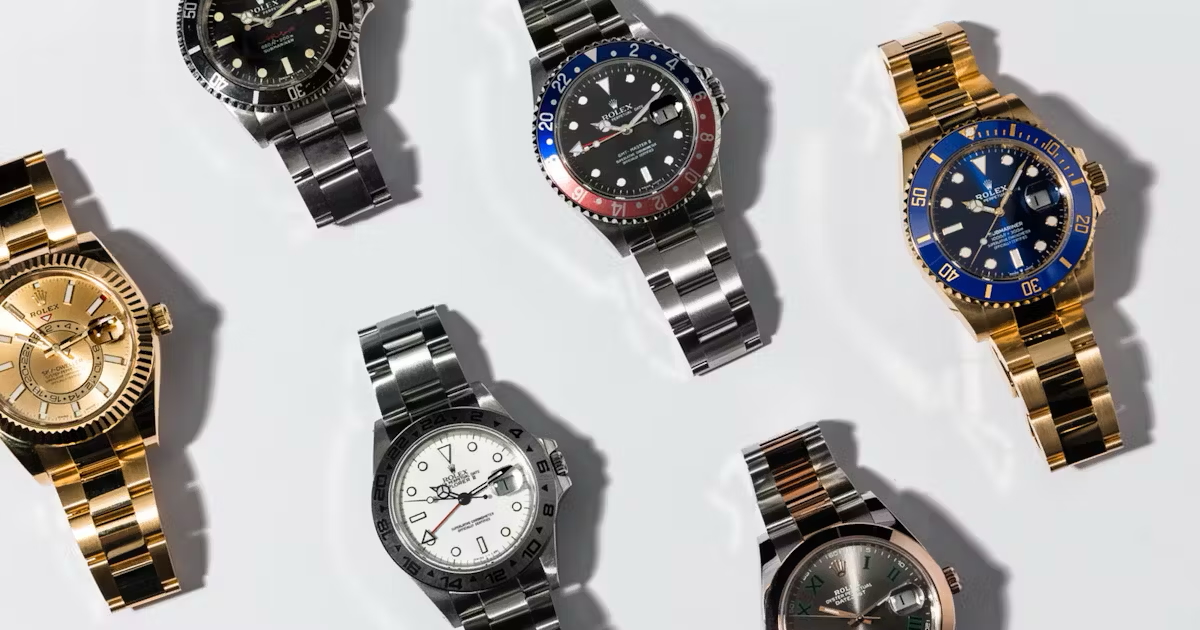
- A steel GMT-Master II “Sprite” may retail at USD 11,650 but sell on the secondary market for around USD 16,270.
- The iconic Daytona steel model has a list price of USD 16,000 but a secondary market average closer to USD 29,700.
This divergence makes it crucial for buyers to factor in both what the watch should cost and what the market is charging.
How Prices Vary by Model & Material
Steel “Professional” Models
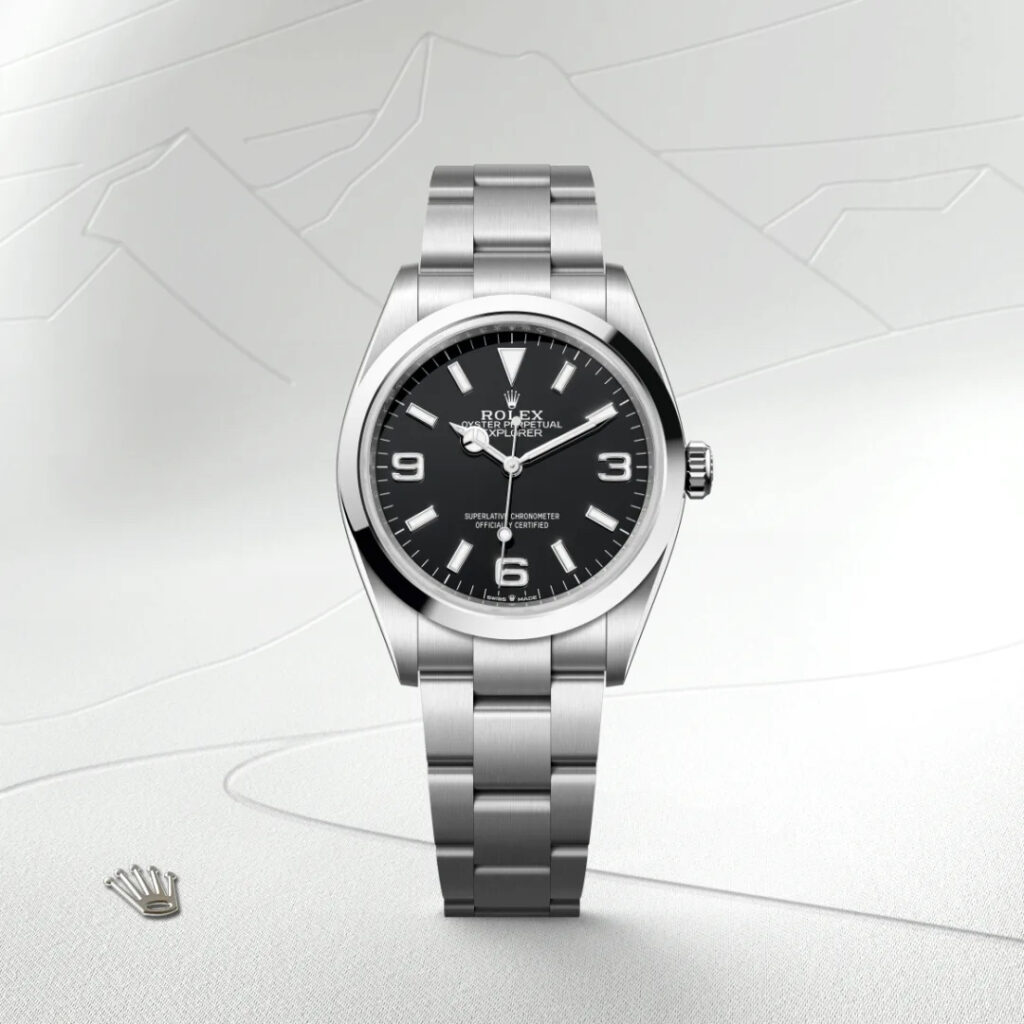
If your focus is steel sports models — the tool watches like the Submariner, Explorer, Oyster Perpetual — you’ll find relatively stable increases in 2025. For example, one article noted steel versions of Sea-Dweller and Deepsea increased only around 0.7%, while gold versions saw +11%.
These models remain in high demand, and often have waitlists. Because the retail increase is modest, in some cases the secondary premium persists.
Rolesor (Steel + Gold) & Full Precious-Metal Versions
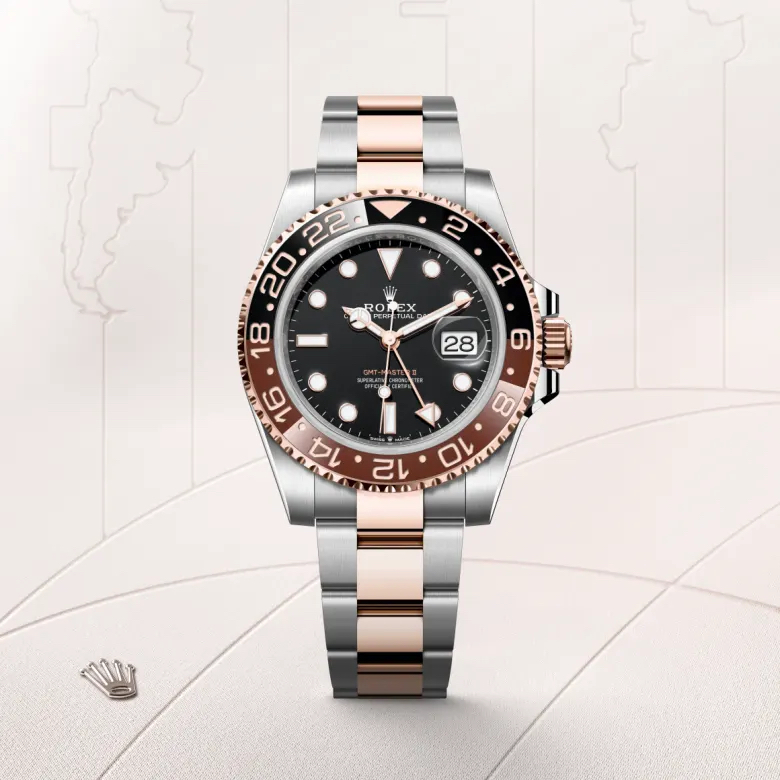
For two-tone Rolesor models and full gold/platinum variants, the price communications tell a larger story. The spike in gold prices translated into meaningful hikes. Business Insider reported up to +8% increases in certain yellow gold Day-Date and GMT-Master II models as of January 1 2025.
If you’re considering a gold Rolex in 2025, expect to pay more relative to last year’s price, and understand that material cost justification is real — but the secondary market may incorporate that already.
Dress and Classic Models
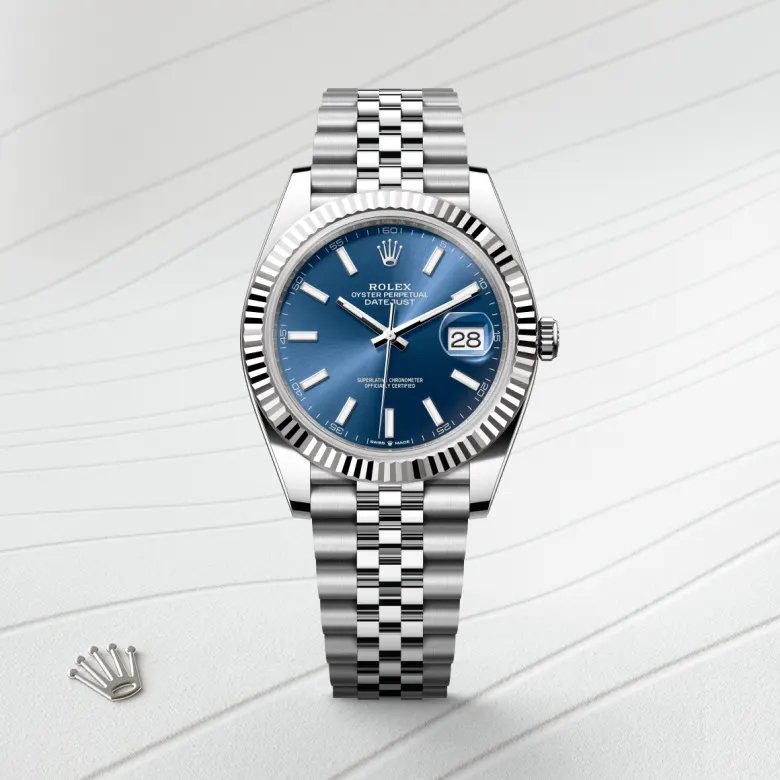
Models like the Datejust, Oyster Perpetual, and Day-Date variants often see smaller retail increases but large variation in the second-hand market depending on dial, bracelet, condition, and accessories. For example, entry-level steel Datejust models listed at retail may already be trading higher in the used market given supply constraints.
What This Means For Buyers in 2025
Understand the Real “Cost of Entry”
If you’re aiming for a steel professional model, the retail price may not have jumped significantly this year, but expect competition and possibly a premium depending on region. If you’re buying from a grey dealer, do your research on market go-rates.
Prioritise Condition & Completeness
Because supply is tight for many models, condition plus extras (box, papers, full set) affect price significantly. In 2025, as the gap between retail and secondary grows, the difference between “good package” and “partial package” is magnified.
Don’t Assume Price Guarantees Value
A higher retail price doesn’t necessarily guarantee higher future value or immediate pay-off. As one commentary notes, steel models had limited increases, so the premium shouldn’t just be expected to vanish.
Be Wary of Material-Driven Hikes
If you are selecting a precious-metal model solely for investment purposes, you need to recognise that part of the price increase is from rising gold cost. That means your upside may depend more on brand premium and less on watch mechanics alone.
Global Price Differences Still Exist
Rolex prices vary by region, taxes, duties, and currency changes. A model listed at USD 6,650 in the US might carry a very different price in Singapore, Europe, or Hong Kong. Always localise your reference.
Practical Tips for 2025 Buyers
- Compare multiple sources: Use the Rolex official model list (for example via Rolex website) alongside third-party market pricing resources. If you find a retail offer significantly below list, verify authenticity and legitimacy of seller—list price hikes don’t always filter uniformly across authorised dealers. For grey market purchases, monitor recent sale records for the specific reference—the difference between list price and market price is informative.
- Prioritise models with strong demand and limited supply if resale or long-term value matters—but even then, buy because you love the watch, not purely for speculation.
- Remember the service/service history: owning a Rolex is a long-term commitment; the acquisition cost is just the start. Keep full set items safe, as these enhance value and desirability.
Final Thoughts
In 2025, buying a Rolex remains desirable for many reasons: precision, heritage, and status. But with modest retail increases for steel models and larger rises in precious metals, the market has become more nuanced.
The smart buyer understands that list price ≠ market price, and model choice, material, condition and provenance matter as much as the crown logo. Use the 2025 price realities as a map, not a guarantee—and let clarity guide your decision rather than hype alone.