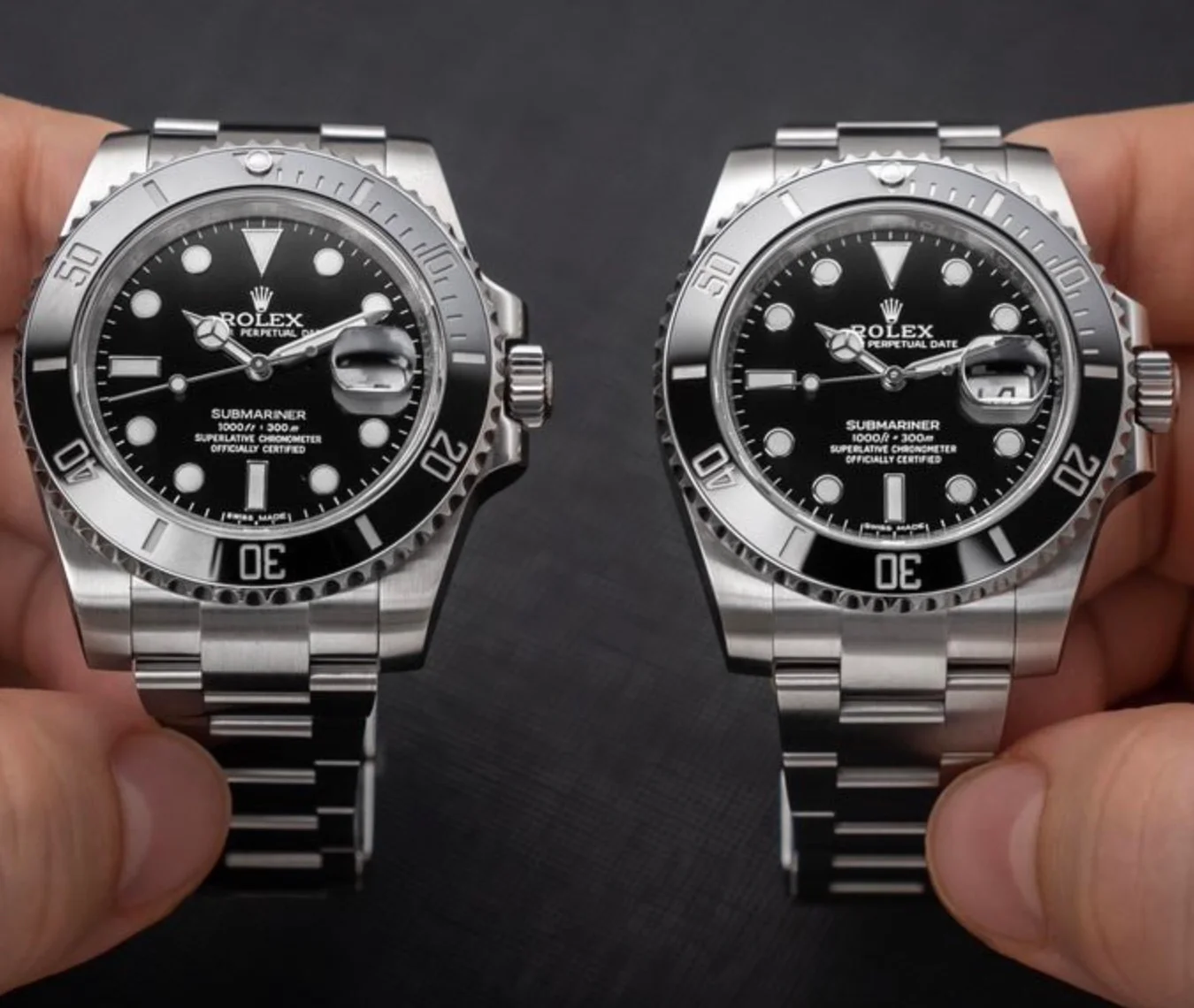
In the world of luxury watches, craftsmanship is everything — but so is authenticity. Whether you’re hunting for a pre-owned Rolex, a limited-edition Omega, or a Patek Philippe grail piece, the rise of high-quality counterfeits has made it increasingly difficult to tell real from fake. Some replicas today are so convincing that even experienced collectors can be fooled at first glance.
This guide walks you through how to spot a fake luxury watch, what red flags to watch for, and how to avoid getting scammed when buying high-end timepieces online or in person.
1. Start With the Seller — Not the Watch
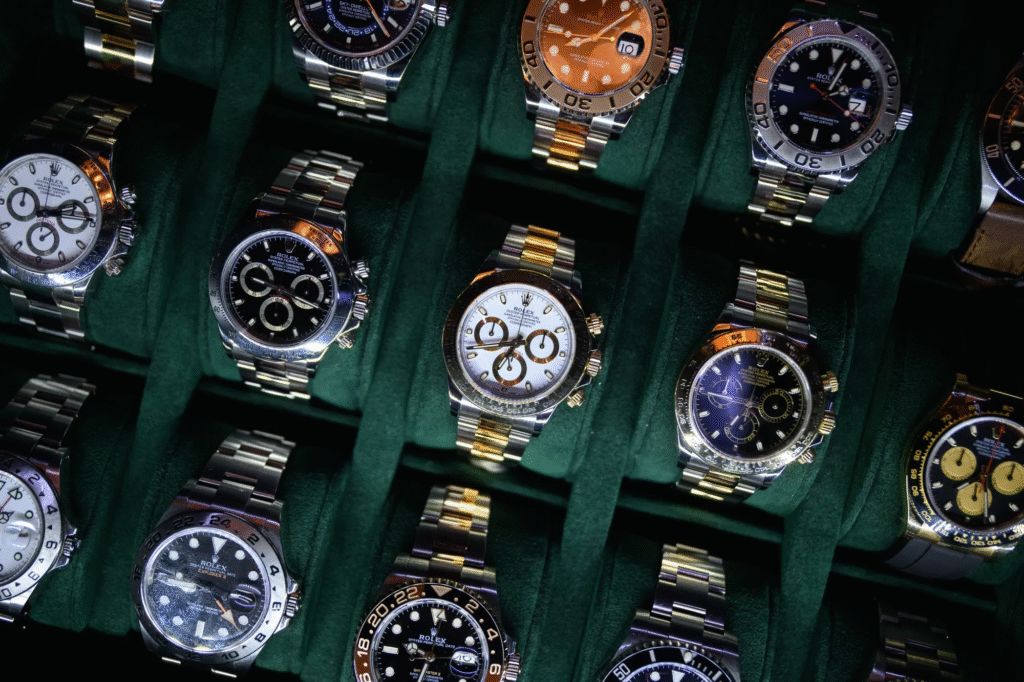
Before examining the watch itself, evaluate who’s selling it. A genuine watch sold by a suspicious seller is unlikely, and most scams begin with unrealistic offers.
Key checks:
- Reputation: Stick to authorized dealers, brand boutiques, or certified pre-owned retailers. Trusted marketplaces like WatchBox, Chrono24, and Bob’s Watches have authentication systems.
- Reviews: Search for customer experiences. Genuine sellers have traceable reputations across forums and review platforms.
- Price: If it’s too good to be true, it usually is. A “brand new Rolex Submariner” for half retail price should immediately raise alarms.
Scammers often use high-pressure tactics, claiming “this deal won’t last long.” Remember, authentic luxury watches are never sold in a rush.
2. Examine the Case and Finishing
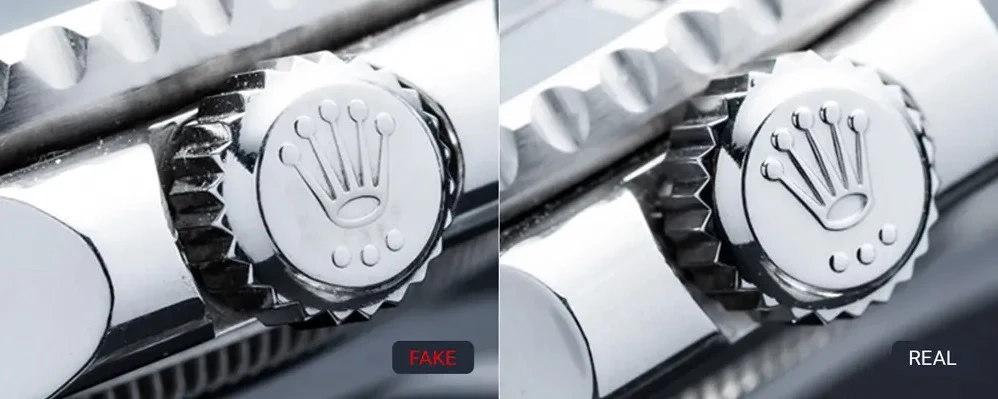
Luxury watches are masterpieces of precision engineering. Counterfeits may look accurate from afar, but up close, the finishing tells the truth.
- Surface Quality: Real watches feature flawless brushing and polishing. Edges are clean, bevels are sharp, and surfaces feel smooth. Counterfeits often have uneven polish, sharp edges, or a slightly gritty feel.
- Weight: Authentic watches are made from premium materials like stainless steel, gold, or titanium — they feel solid and balanced. Fakes tend to be lighter due to cheaper alloys.
- Caseback Details: Look for engravings that are crisp and properly aligned. Misaligned serial numbers or shallow etching are major red flags.
If possible, compare the watch side-by-side with an authentic model. Subtle variations in case thickness or lug shape can instantly reveal a replica.
3. Look at the Dial Closely
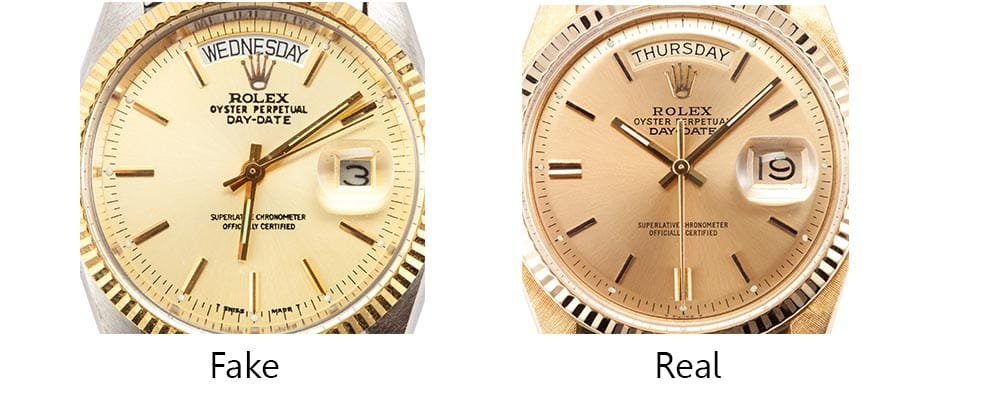
A luxury watch dial is where artisanship shines — and where fakes often fall apart.
- Text and Logo: Authentic watches have sharp, evenly spaced printing. Logos are perfectly centered and consistent in font. Counterfeits often have fuzzy print or incorrect typefaces.
- Markers and Hands: Misaligned indices or uneven lume application are telltale signs.
- On real watches, lume glows evenly and precisely.
- Date Window: Misaligned or off-center date apertures are common in replicas. High-end brands ensure perfect date alignment.
A good magnifying glass or loupe can make spotting these flaws much easier.
4. Check the Movement
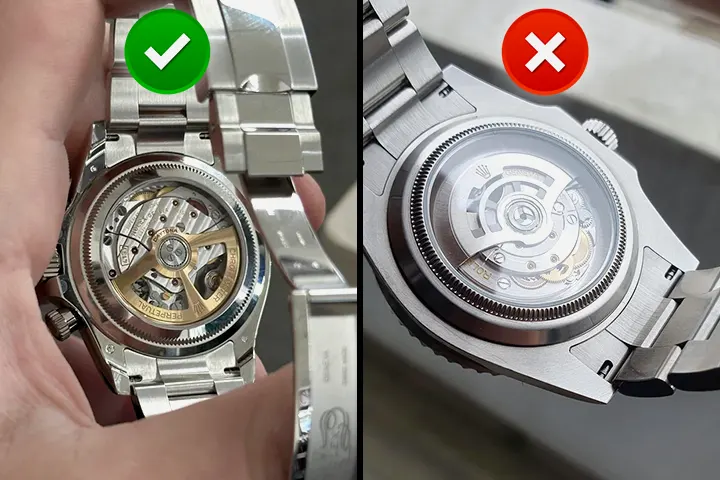
The movement — the heart of a mechanical watch — is where most counterfeits reveal themselves.
If the caseback is transparent, look for:
- Finishing: Genuine movements have intricate details — Geneva stripes, perlage, polished screws. Fakes use plain, rough-looking movements.
- Rotor Engravings: Authentic automatics often feature engraved rotors with brand markings; replicas may have poorly etched or painted logos.
- Second Hand Sweep: Quartz movements tick once per second, while mechanical movements have a smooth sweep. However, beware — some counterfeits now use “sweeping quartz” mechanisms to imitate this motion.
If the watch has a solid caseback, listen to the sound of the movement — genuine automatics are almost silent, while cheap replicas often tick audibly.
5. Serial Numbers and Reference Codes
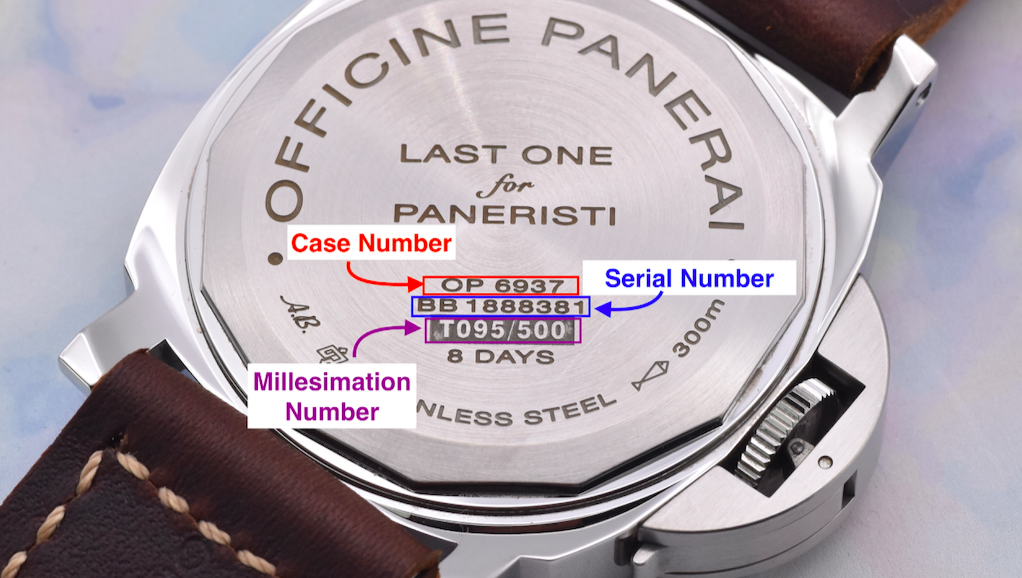
Every genuine luxury watch comes with a unique serial and reference number. These are often engraved between the lugs, on the caseback, or inside the clasp.
To verify authenticity:
- Check that numbers are deeply and cleanly engraved — not laser-etched or printed.
- Cross-check the reference code on the brand’s website or with an authorized dealer. Beware of repeated serial numbers. Many replicas use identical fake codes that can easily be found in online scam reports.
For added peace of mind, brands like Rolex, Omega, and Audemars Piguet can verify watches through their official service centers.
6. Evaluate the Packaging and Paperwork
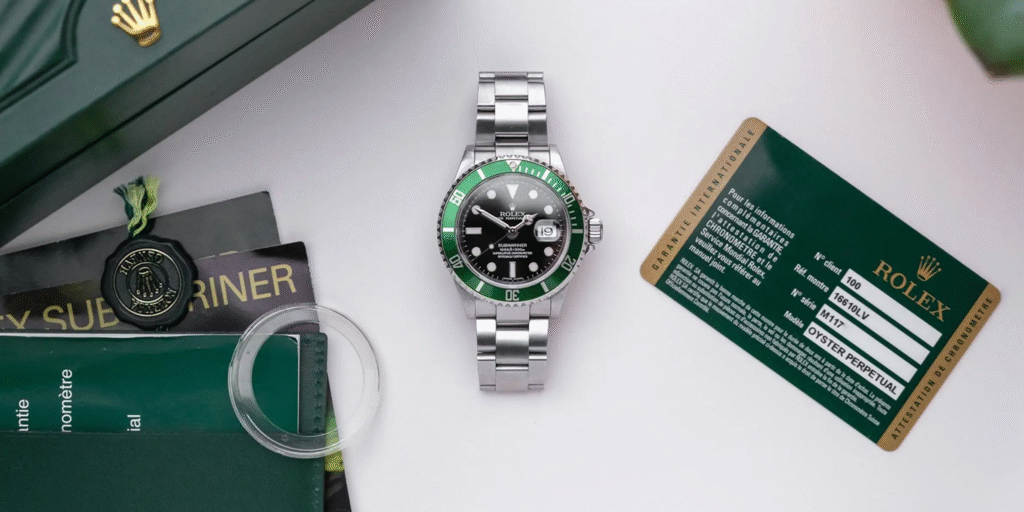
Counterfeiters have improved packaging over the years, but there are still clues.
- Watch Box: Genuine boxes are made of high-quality materials, with perfect stitching and weight. Cheap glue or flimsy cardboard is a red flag.
- Warranty Card: Authentic cards are typically plastic with deep embossing, QR codes, or holograms. Paper cards or misaligned text often indicate fakes.
- Booklets and Manuals: Poor grammar, incorrect fonts, or blurry printing are signs of counterfeit documentation.
Remember, while packaging helps confirm authenticity, counterfeiters can fake boxes too — so rely on documentation and watch inspection together.
7. Be Wary of Online Marketplaces
Buying online can be safe if you know where to shop. Stick to platforms with escrow services or authentication guarantees.
Tips for online safety:
- Never pay by wire transfer to an unknown seller.
- Ask for macro photos of the dial, caseback, and movement.
- Compare those photos to official brand images.
- Verify seller history and read buyer protection policies carefully.
Avoid private sellers who refuse to meet in person or provide verifiable proof of ownership.
8. Consult an Expert Before Buying
When in doubt, bring in a professional. Reputable watchmakers, appraisers, or brand boutiques can verify authenticity quickly.
For high-value purchases, consider third-party authentication services that specialise in luxury watches. Many offer inspection certificates and appraisal documents, which can also be useful for insurance purposes.
9. Understand Pricing Red Flags
Luxury watch pricing follows predictable ranges. A discount of 5–15% off retail from a reputable dealer is normal — anything beyond that deserves scrutiny.
For instance:
- A new Rolex Submariner selling at $6,000 (instead of $10,000+) is almost certainly a replica.
- A Patek Philippe Nautilus listed “brand new” for half its retail price is an obvious scam.
If a deal looks unbelievable, trust your instincts — and walk away.
10. Insure and Register Your Watch
Once you’ve confirmed your purchase is authentic, take one final step to protect it: register and insure your watch.
Many brands, like Omega and Cartier, allow owners to register their watches online for warranty and verification. Watch insurance protects against theft or accidental damage — and helps prove authenticity if you ever resell.
Final Thoughts
Luxury watches aren’t just accessories — they’re investments, heirlooms, and works of art. But as their value rises, so does the sophistication of counterfeits.
Learning how to spot a fake luxury watch is the best defense against scams. Pay attention to details, trust reputable sellers, and never let an irresistible deal cloud your judgment.
In the world of horology, authenticity is timeless — and peace of mind is worth every cent.




2 Comments