For anyone considering a Cartier timepiece in 2025, understanding the brand’s current pricing landscape is essential. With global price adjustments, material-driven cost shifts and evolving demand dynamics, Cartier’s watch prices today carry more nuance than ever. Whether you’re buying your first Cartier or adding to your collection, this guide breaks down what influences pricing, what you can expect to pay and how to approach value in 2025.
What’s Happening With Cartier Prices in 2025

In May 2025, Cartier announced a series of global price increases ranging from about 5% to over 15%, depending on collection and materials. For example, the Panthère de Cartier steel “Mini” model in the U.S. rose from approximately USD 3,700 to USD 3,900, a +5.4% increase. More dramatic was the Baignoire line: the 18K yellow gold “Mini” jumped +12.4% in the U.S., while a 18K white gold version with diamonds surged nearly +18.8%.
The motivations are clear. Rising gold and precious-metal costs, inflationary pressure, and regional currency fluctuations have all pushed brands like Cartier to adjust upward. At the same time, Cartier’s parent company, Richemont, has signalled restraint—claiming that it won’t allow abrupt price jumps that encourage cross-border shopping.
Retail Prices vs. Secondary Market Reality
Retail (brand new, authorised dealer) pricing provides the baseline, but in practice the secondary market often tells a more nuanced story. According to aggregated data, new Cartier watches in 2025 start around USD 3,000 for entry-level models and can exceed USD 90,000 for high-jewellery iterations.
For example, a steel model of the Cartier Santos de Cartier medium size may list around USD 7,000–8,000, but on platforms such as Chrono24 one finds listings from USD 7,300 to USD 8,400 for new/unworn 2025 references.
What this means: knowing the list price is essential, but recognising what buyers are willing to pay in the secondary market gives real insight into value, liquidity and buying strategy.
Price Variation by Model, Material & Collection
One of the most important factors in Cartier pricing is material and design complexity. A steel quartz Tank is far more affordable than a full-gold skeleton model with diamonds.
Entry-Level Steel Models
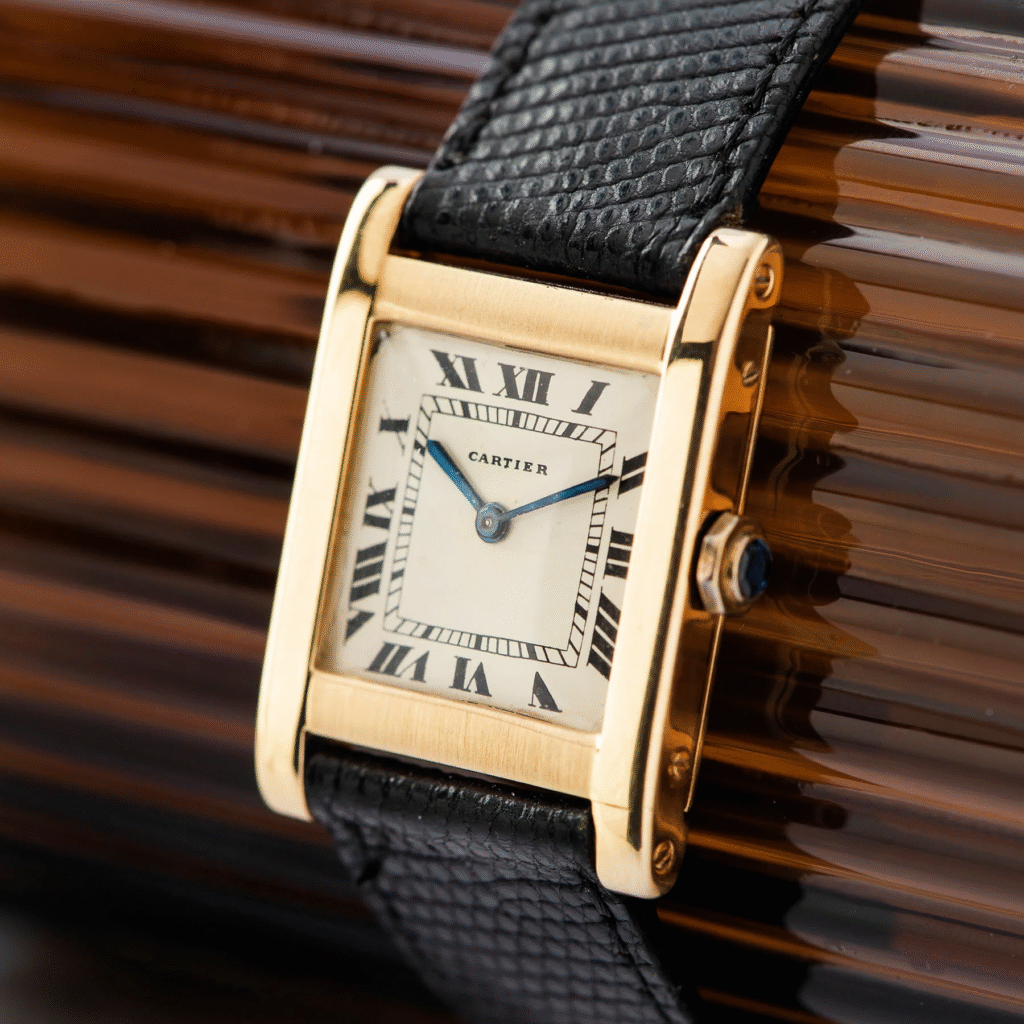
Steel models—like the Entry version of the Tank Must or basic Santos—sit at the lower end of the range. While price increases occurred, they were moderate due to lesser precious-metal content. These models often appeal to first-time buyers and those seeking a Cartier entry point.
Two-Tone & Gold Models
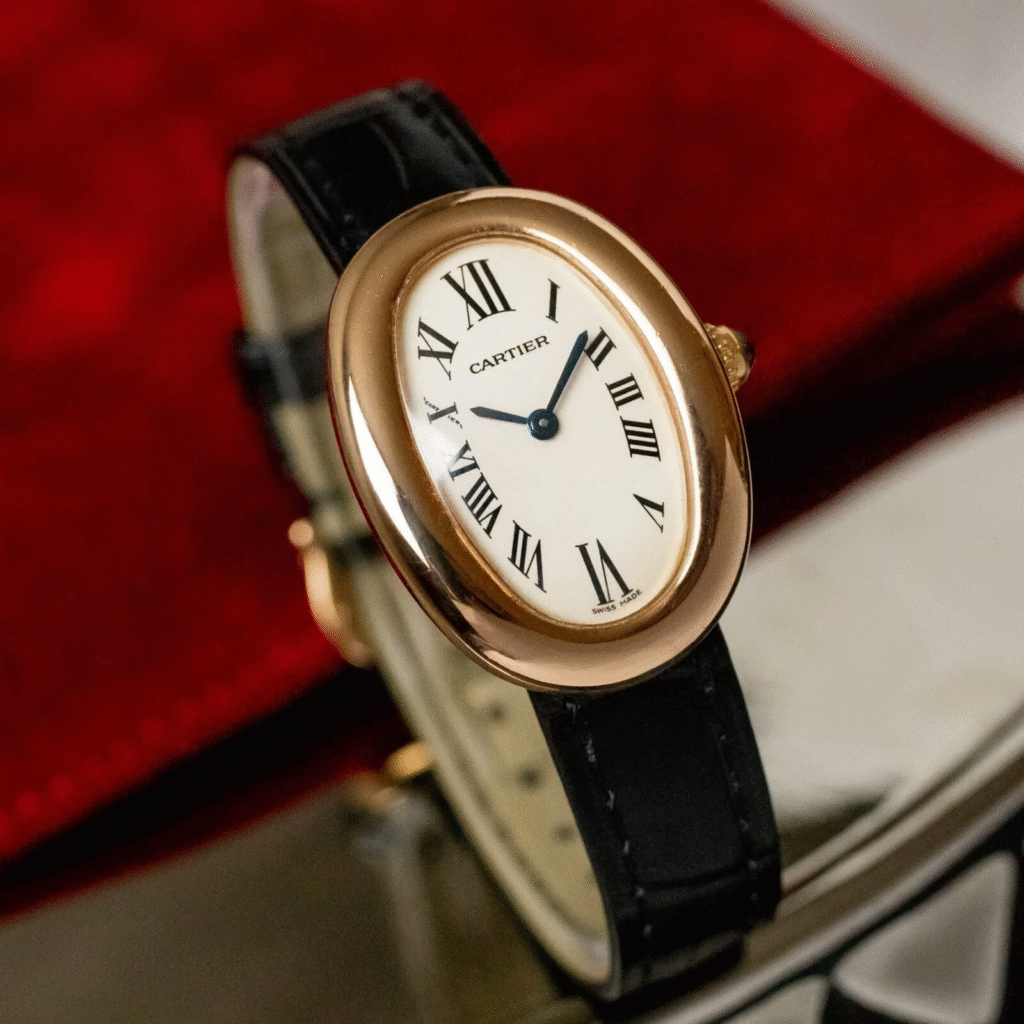
Once gold enters the mix—whether as a full case or two-tone—the pricing jumps. The aforementioned Baignoire examples highlight this: gold plus diamonds drove double-digit percentage hikes. These are not only cost-driven but also reflect Cartier’s positioning in the jewellery-watch space.
High-Jewellery, Skeleton & Limited Editions
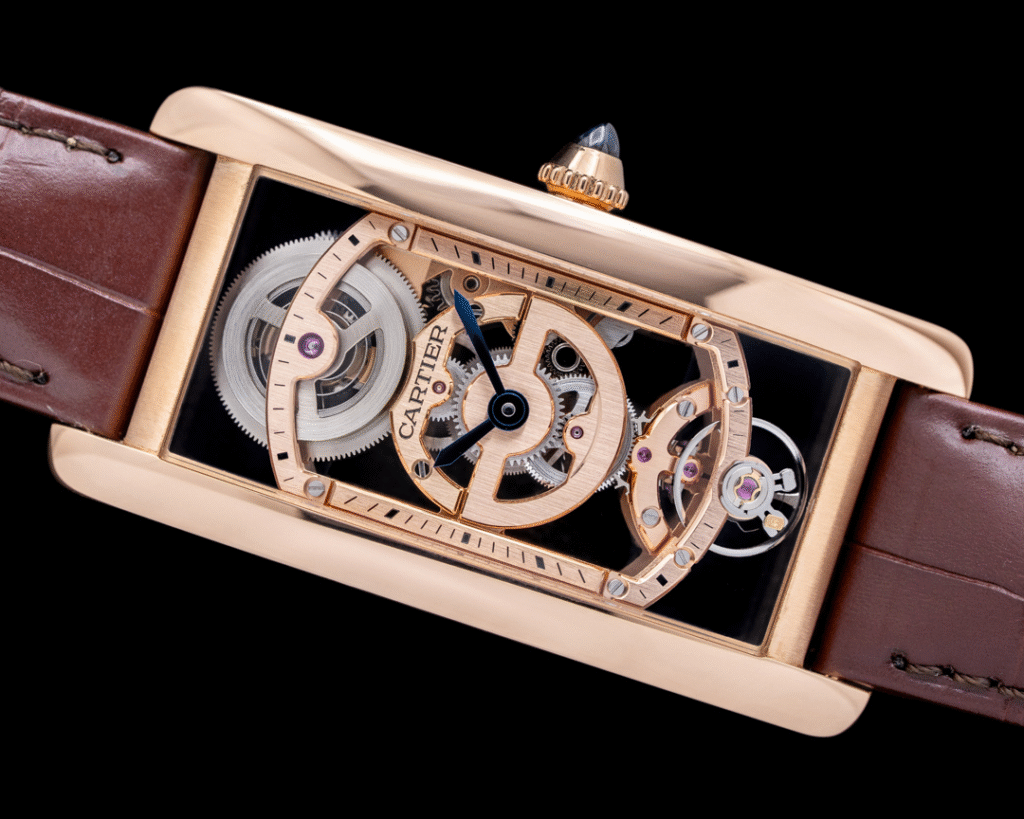
At the top end, Cartier’s skeletonised movements, animal-motif jewellery pieces (such as the Panthère with gem-setting), and limited editions push well beyond mainstream pricing. Some of these pieces are more collectible than wearable tools and are priced accordingly—often USD 50,000 or more.
What This Means for Buyers in 2025
Focus on Condition, Set & Supply
Because Cartier prices vary so widely, condition (new vs used), presence of box/papers and supply-demand imbalance matter significantly. The premium you pay (and value you retain) depends on those details.
Understand the Purpose of Your Purchase
If you’re buying for wear rather than investment, pick what appeals aesthetically and suits your wrist. For those buying for value retention, consider limited editions, precious metals or models that command higher resale premiums. The difference in price behaviour between steel vs gold is especially relevant in 2025.
Timing & Currency Considerations
Cartier’s global pricing includes regional disparities, duty/tax differences and recent tariffs. Buyers should compare local list prices, import duties and secondary market spreads. Because Richemont has emphasised measured increases to avoid buyer backlash, there may be less expectation of huge jumps in certain steel collections in the near term.
Practical Tips for Smart Cartier Purchases
- Research multiple listings: Compare official retail pricing (via Cartier site) with recent sales of the exact reference. Platforms like Chrono24 offer transparency.
- Consider the bracelet/strap situation: For example, earlier models of Panthère may have links or strap options that affect value.
- Check movement type: Mechanical (automatic/manual) models often hold value better than quartz, though Cartier’s entry steel quartz models are attracting younger buyers.
- Keep full set: Box, papers, extra links/bracelet adjustment add measurable value.
- Think about service and maintenance: For gold and skeletonised watches, servicing cost is higher—factor that into overall ownership cost.
- Buy what you’ll love: Even with value retention in mind, the strongest purchases are those you’ll enjoy wearing day to day.
Final Thoughts
Cartier watches in 2025 remain attainable relative to some peers, yet the brand’s dual identity as jeweller and watchmaker means price stratification is steep—what you pay depends heavily on model, material and finish. While steel models have seen modest increases, gold and high-jewellery models gained significantly, reflecting both rising costs and evolving demand.
As a buyer, knowing the list price is just the beginning. What matters more is what your watch will cost you overall, what you can expect to retain, and how well it suits your personal style. In other words: with Cartier, success in 2025 is found not in chasing the flashiest price tag, but in choosing the price that meets your wrist, your budget and your taste.