
For years, traditional watch collectors dismissed fashion-house watches as “style over substance.” And in many cases, they were right: quartz movements in pretty cases, sold at luxury premiums, did little to impress serious horology fans. But the landscape has changed. In the last decade, several major fashion houses have quietly (and sometimes aggressively) invested in true watchmaking—building in-house ateliers, buying movement manufacturers, partnering with prestigious Swiss firms, and producing timepieces that rival the best traditional watch brands.
Today, certain fashion houses produce watches so well-engineered, so beautifully designed, and so technically competent that even collectors with Rolex and Patek Philippe in their safes are paying attention. If you’re considering a timepiece from a luxury fashion brand, these are the models—and maisons—that genuinely justify their price tags.
Cartier: The Fashion House That Became a True Watchmaker

Cartier is the rare brand that straddles both worlds: a fashion icon and a respected horology powerhouse. While it began as a jewelry house, Cartier became an early pioneer of wristwatches, creating icons like the Santos in 1904 and the Tank in 1917—decades before many Swiss brands rose to fame.
Collectors love Cartier because its watches blend timeless design with legitimate watchmaking credibility. Models like the Santos de Cartier, Tank Louis Cartier, Tank Américaine, Baignoire, Pasha, and Ballon Bleu remain some of the most recognisable silhouettes in the industry. The maison’s fine-watchmaking division, Cartier Privé, further proves that the brand can master mechanical complexity, skeletonisation, and ultra-thin craftsmanship. When it comes to fashion-house watches worth the money, Cartier sits at the top—arguably in a league of its own.
Hermès: Quiet Luxury with Serious Mechanical Credentials
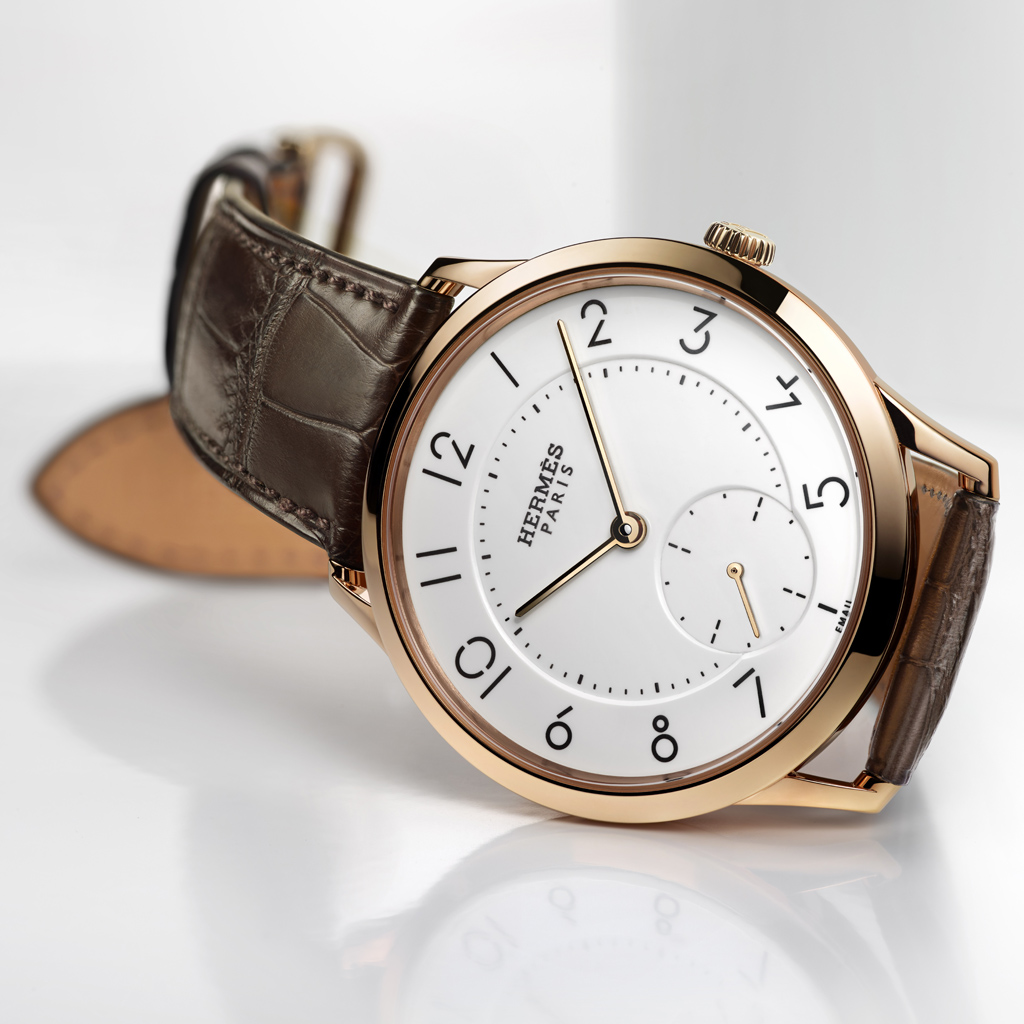
Hermès has always been synonymous with exquisite leather craftsmanship, but its watchmaking division has matured into one of the industry’s most respected “fashion-to-horology” success stories. The breakthrough came with the Slim d’Hermès, a collection celebrated for its lyrical typography, ultra-slim profile, and collaborations with top-tier movement makers like Vaucher (which also supplies movements to Parmigiani Fleurier and Richard Mille).
The Hermès H08—minimalist, sporty, and entirely modern—catapulted the brand into contemporary relevance. The blend of proprietary rubber straps, graphene-infused composites, and Swiss-made automatic calibers has convinced many skeptics that Hermès watches deserve a place in serious collections. They retain value well, feel luxurious on the wrist, and offer a design purity only Hermès can deliver.
Chanel: A Rising Power in High Horology
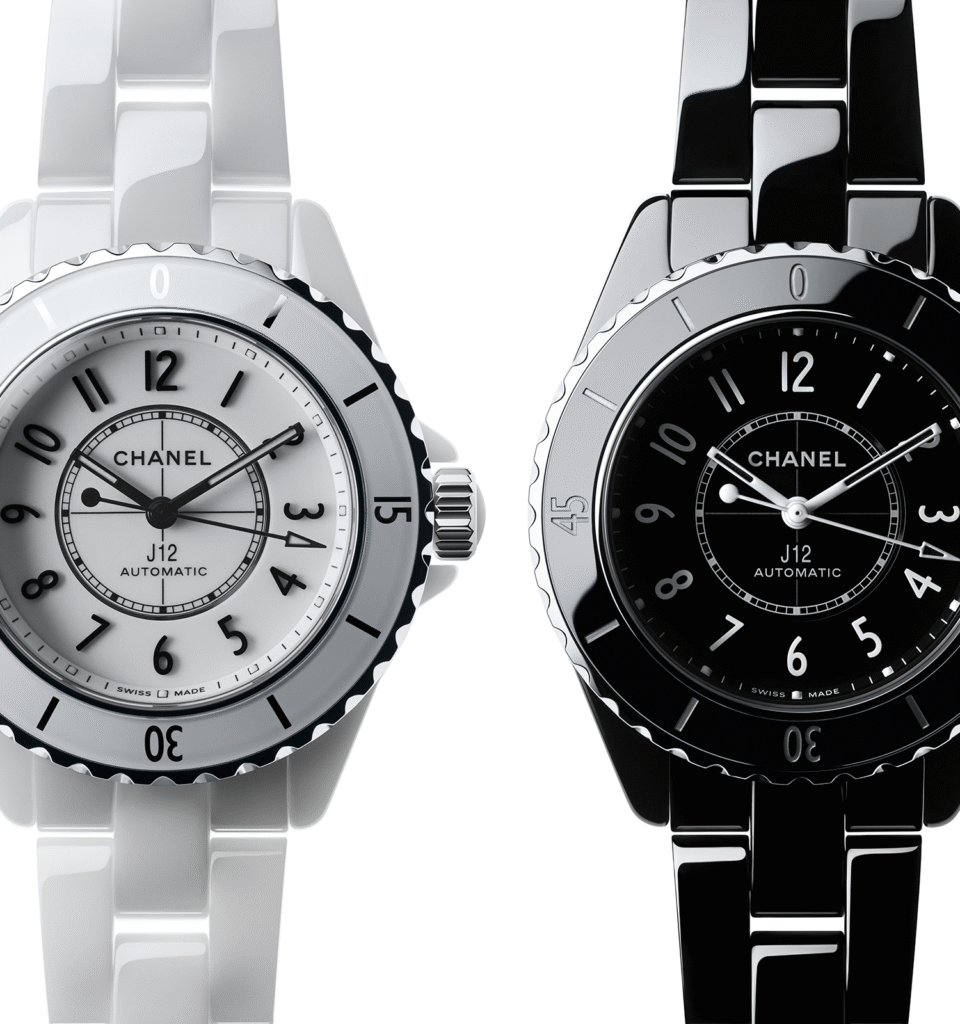
Chanel has spent the past two decades building an enviable watchmaking reputation. Unlike most fashion houses, Chanel owns stakes in real Swiss movement manufacturers, including a share of Kenissi—the same firm producing movements for Tudor, Breitling, and Norqain.
This investment led to a wave of Chanel watches that blend haute couture aesthetics with rugged, COSC-level performance. The Chanel J12, crafted in ceramic and powered by Kenissi movements, is now considered one of the best modern luxury sports watches for smaller wrists. The brand also produces genuinely artistic horology through its Mademoiselle Privé and Boy.Friend collections, showcasing métiers d’art techniques often reserved for haute joaillerie houses.
Chanel watches aren’t just stylish—they’re technically competitive, beautifully made, and increasingly collectible.
Louis Vuitton: High-End Horology Wrapped in Avant-Garde Design
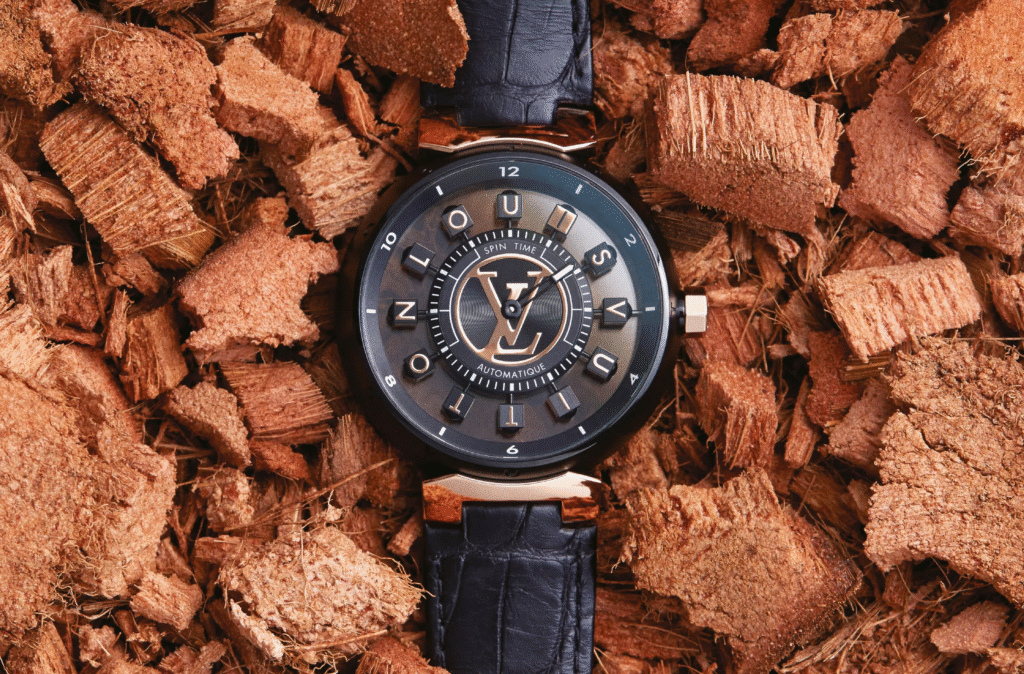
Louis Vuitton’s Tambour collection has long been a fashion-forward favorite, but the maison’s investments in mechanical watchmaking have elevated it into true luxury territory. In 2011, Louis Vuitton purchased La Fabrique du Temps, the independent workshop known for high-complication expertise. Since then, LV has released minute repeaters, tourbillons, flying tourbillons, and skeletonized calibers under the Louis Vuitton High Watchmaking division.
The new Tambour, launched in 2023 and refined into 2026, is widely praised for its ultra-slim case, integrated bracelet, and Swiss-made automatic movement that rivals many traditional luxury sports watches. Louis Vuitton’s watch division is now widely accepted as one of the most innovative among fashion houses—especially for those who value bold, architectural design.
Bulgari: The Record-Breaking Architect of Ultra-Thin Watches
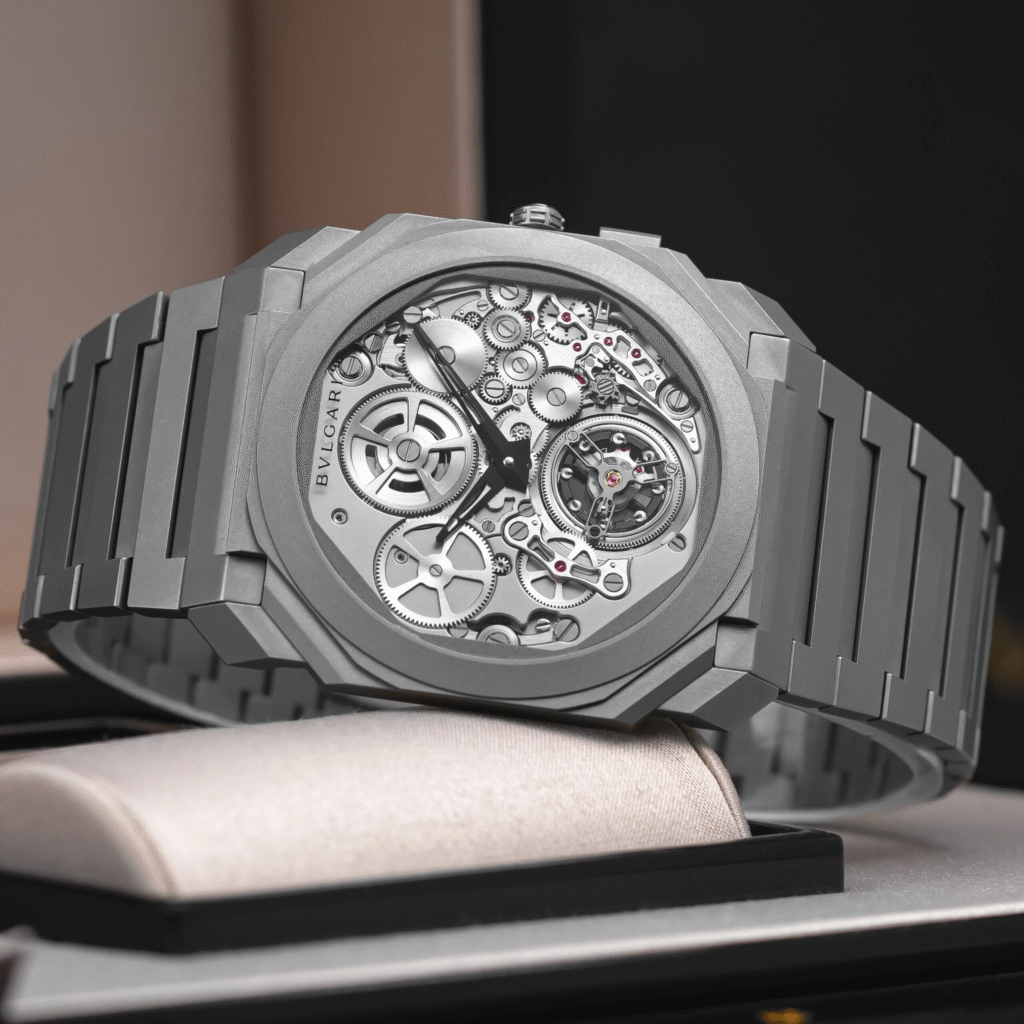
Bulgari is technically a jewelry house, but in watchmaking it has become a titan. The Octo Finissimo collection shattered world records for thinness—over eight world records, including thinnest automatic watch, thinnest tourbillon, and thinnest chronograph.
Collectors admire Bulgari because it combines architectural Italian design with Swiss precision. The Octo Finissimo, with its sharp geometry and sandblasted titanium case, has become an icon of modern horology—something few fashion houses can claim. Meanwhile, the Serpenti remains the ultimate luxury jewelry watch for women, proving Bulgari can master both mechanical innovation and artistic craftsmanship.
Bulgari watches often hold value better than competing luxury-fashion brands, especially special editions and ultra-thin models.
Dior: Artistic, Couture-Inspired Watchmaking
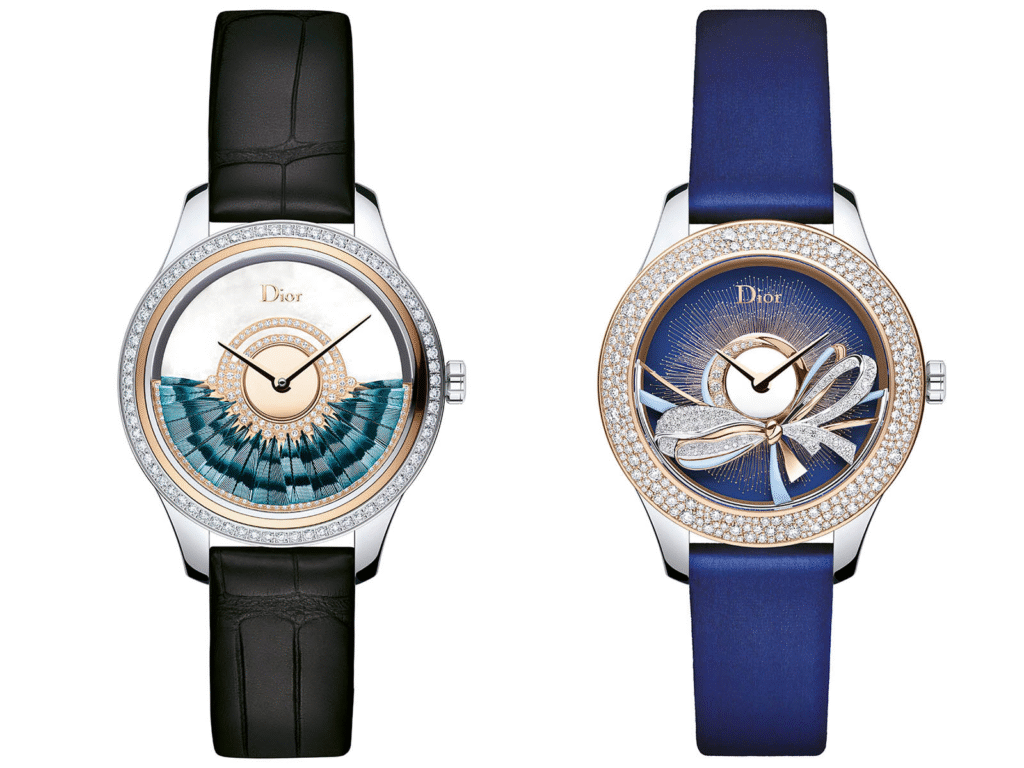
Dior’s watch division focuses heavily on artistic craftsmanship, often merging couture techniques with horological design. While not as movement-focused as Hermès or Chanel, Dior excels in métiers d’art. Collections like La D de Dior, Grand Bal, and Dior VIII incorporate decorative rotor systems, feather marquetry, gemstone geometry, and haute-couture motifs.
The Dior Grand Bal “Dior Inversé” movement, which places the rotor on the front of the dial, is a standout example of clever watchmaking that marries beauty with engineering. Dior watches appeal to collectors who prioritize design excellence and artisanal finishing over technical specifications.
Gucci: A Surprising Contender in Modern Watchmaking
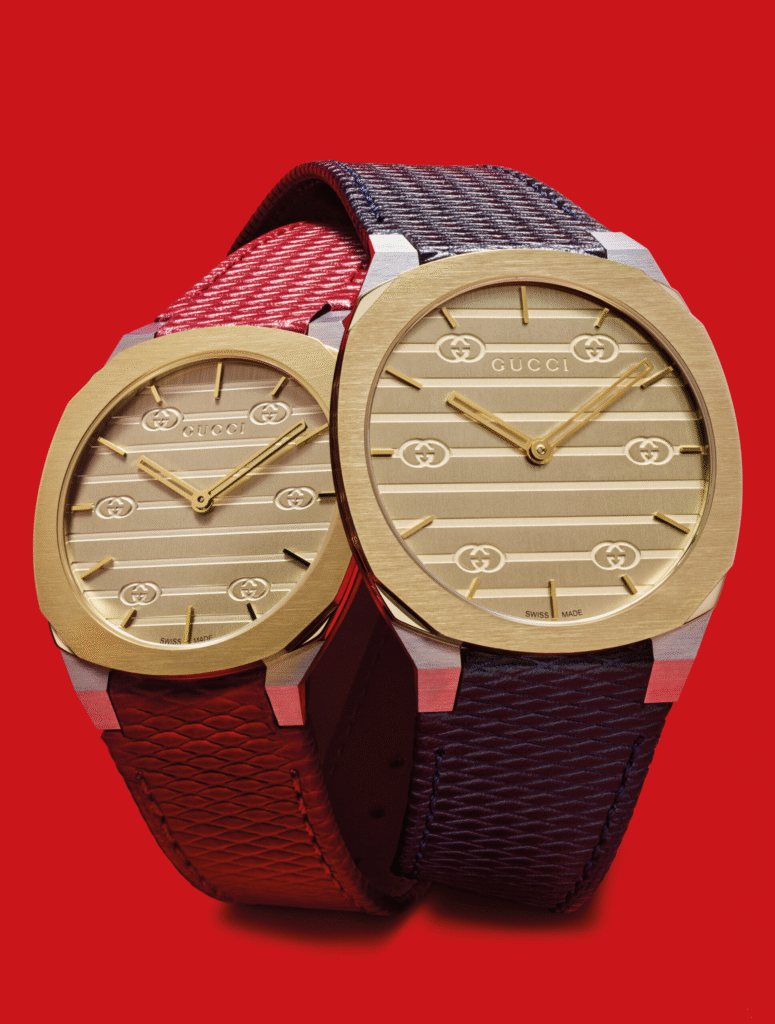
Gucci has re-emerged with a bold watch identity, especially after introducing its Gucci 25H series. The brand partnered with Kering’s movement manufacturer (which previously powered Ulysse Nardin and Girard-Perregaux creations) to develop a sleek, ultra-thin in-house automatic caliber showcased in the 25H.
While Gucci’s quartz fashion watches still dominate mainstream sales, its mechanical offerings are gaining respect among younger collectors seeking contemporary design with credible mechanics. With artistic dials, skeletonised movements, and a modern case profile, Gucci’s high-end watch collections are becoming worthy alternatives to traditional Swiss brands in the same price bracket.
Are Fashion-House Watches Worth the Money? The Verdict
The answer is: sometimes—and increasingly, yes.
Fashion houses that genuinely invest in high horology—like Cartier, Hermès, Chanel, Bulgari, and Louis Vuitton—are creating timepieces that rival and sometimes surpass traditional Swiss competitors. They offer:
- recognizable design heritage
- serious mechanical innovation
- strong brand identity
- artistic craftsmanship
- rising market appreciation
If you’re buying purely for investment, only select models qualify. But if you’re buying for design excellence, daily wear enjoyment, and long-term value, these brands produce pieces that deliver far more than fashion branding—they deliver horology worth honouring.




One Comment