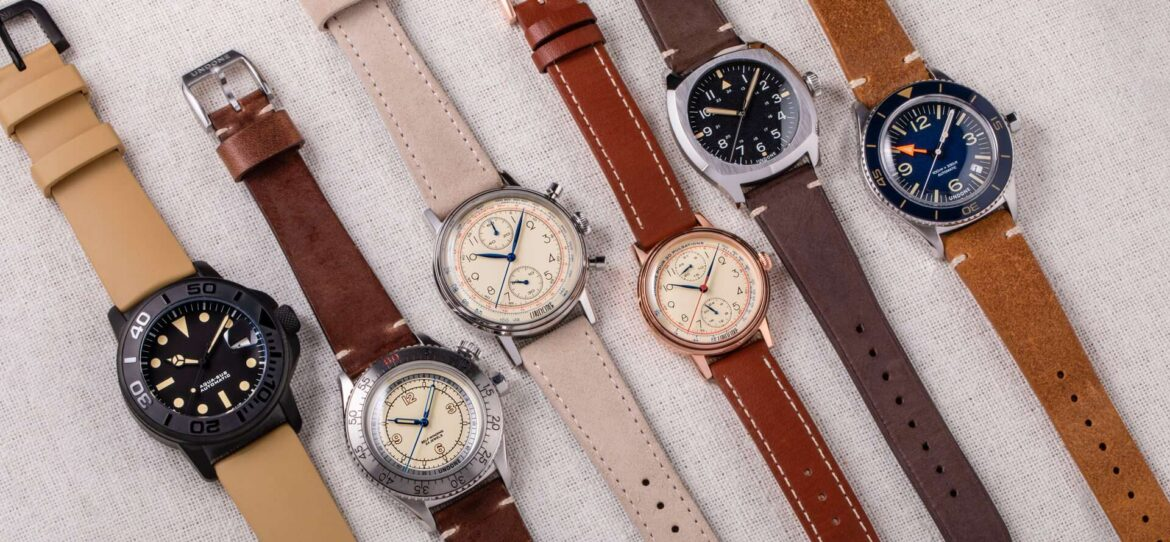
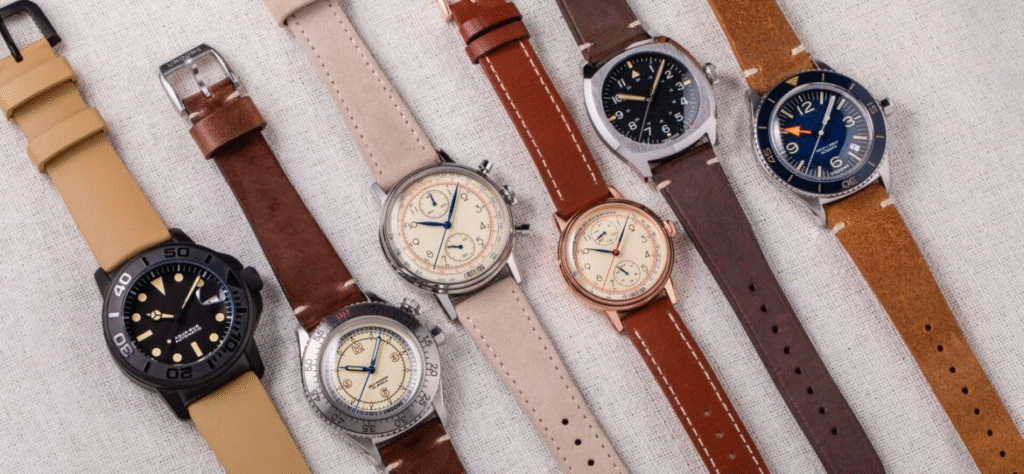
Walk through the online catalog of modern watch microbrands and you’ll start to notice something curious. The watches are often well made, fairly priced, and enthusiast-approved. They usually come with sapphire crystals, solid bracelets, respectable automatic movements, and vintage-inspired styling. Yet after browsing a dozen releases, a strange sense of déjà vu creeps in.
The case shape looks familiar. The bezel style seems borrowed. The dial layout feels almost interchangeable with something you saw two pages earlier.
None of this necessarily means the watches are bad. Quite the opposite, in fact. Microbrands have transformed the entry-level mechanical watch market by offering thoughtful design and impressive build quality at prices that once seemed impossible. Still, a question lingers among collectors: are microbrands beginning to rely too heavily on the same design formula?
It’s a conversation that surfaces frequently in watch forums, enthusiast groups, and collector meetups. Some see a creative stagnation emerging. Others argue that these similarities are simply the natural result of functional watch design. The truth, as usual, sits somewhere in the middle.
The Microbrand Boom
To understand why many watches now look similar, it helps to remember how microbrands emerged in the first place.
For decades, the watch industry was dominated by established Swiss manufacturers and a handful of Japanese giants. Starting a new watch brand required massive capital, manufacturing connections, and global distribution networks. Independent designers rarely had the resources to compete.
The internet changed that equation. Around the early 2010s, a wave of small companies began launching watches directly to consumers through crowdfunding platforms and online stores. These brands bypassed traditional retail channels and sold straight to enthusiasts who were eager for something fresh.
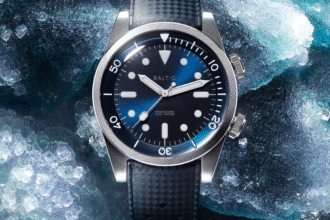
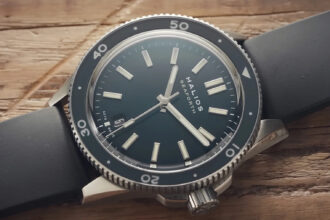
Microbrands like Halios, Baltic, Zelos, Farer, and Lorier proved that small teams could create compelling watches without the overhead of legacy watch companies. Enthusiasts quickly embraced the movement. Here were watches designed by people who actually participated in collector communities. Specifications were transparent. Prices were reasonable. Designs often referenced beloved vintage watches.
For many collectors, microbrands felt like a refreshing antidote to the corporate polish of the mainstream watch industry.
The Familiar Microbrand Look
Spend enough time studying microbrand releases and certain patterns become obvious.
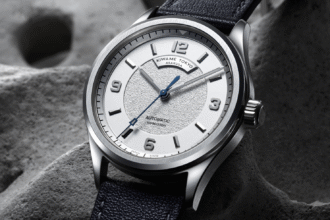
A typical microbrand watch often features a stainless steel case around 38 to 40 millimeters in diameter. The dial might use slightly aged lume for a vintage aesthetic. The bezel could resemble a classic dive watch configuration, usually with aluminum or ceramic inserts. The movement is frequently a reliable Japanese caliber from Seiko or Miyota, sometimes a Swiss Sellita.
None of this is accidental. These design choices reflect what enthusiasts say they want.
Collectors generally prefer versatile sizes that fit a wide range of wrists. Vintage-inspired details remain popular because they evoke the golden era of mechanical watches from the 1950s through the 1970s. Proven movements are chosen because reliability matters more than novelty for many buyers.
The result is a kind of unofficial template for what a successful microbrand watch should look like.
It works, which is exactly why so many brands use it.
Why Microbrands Gravitate Toward Similar Designs
Design repetition in the microbrand world isn’t simply a matter of creative laziness. There are practical reasons behind it.
For starters, microbrands operate with tight budgets and limited production runs. Developing a completely original case design requires expensive tooling and manufacturing experiments. For small brands producing a few hundred watches at a time, that level of risk can be difficult to justify.
Many manufacturers in Asia already offer case designs that have been proven to work well. These cases can be customized with different finishing, dial designs, and branding. For a startup brand, using an existing platform allows them to launch a product quickly without investing in entirely new production infrastructure.
There is also the reality of collector expectations. Watch enthusiasts often claim they want bold originality. Yet when something genuinely unconventional appears, it sometimes struggles to sell.
Collectors frequently gravitate toward familiar silhouettes: dive watches, field watches, pilot watches, and chronographs. These categories are deeply rooted in watch history, and many buyers appreciate the continuity.
So microbrands often play within those established boundaries. It’s a pragmatic decision.
The Influence of Vintage Watch Culture
Another factor shaping microbrand design is the enormous influence of vintage watches.
Many collectors admire the aesthetics of mid-century tool watches produced by companies like Rolex, Omega, Tudor, Blancpain, and Longines. Vintage designs often featured clean dials, modest case sizes, and functional layouts that emphasized legibility.
Microbrands frequently draw inspiration from these historical references. A dive watch might echo the proportions of a classic Submariner. A field watch could resemble military watches from the 1940s. A chronograph may borrow cues from racing watches of the 1960s.
Sometimes the inspiration is subtle. Other times the resemblance is fairly obvious.
This approach appeals to collectors who appreciate vintage styling but prefer the reliability and durability of modern watches. New watches offer sapphire crystals, improved water resistance, and modern materials while still capturing the charm of older designs.
In that sense, microbrands are often curating history rather than inventing something entirely new.
When Similarity Becomes a Problem
Even if the reasons are understandable, design repetition can create challenges.
One issue is brand identity. When several watches share nearly identical case shapes and dial layouts, it becomes harder for individual brands to stand out. A collector scrolling through product photos might struggle to distinguish one company’s watch from another’s.
This lack of visual identity can make it difficult for a brand to build long-term recognition.
Another problem involves creative stagnation. The early days of microbrands were filled with experimentation. Some designs were unusual or even polarizing. That spirit of exploration helped attract enthusiasts who were eager to see something different from the traditional Swiss watch establishment.
When too many watches begin to follow the same formula, that sense of discovery fades.
Collectors eventually start asking the same question: haven’t we seen this before?
The Microbrands That Break the Mold
Fortunately, not every microbrand follows the same design playbook.
Some brands have built strong reputations by pushing beyond the familiar formula.
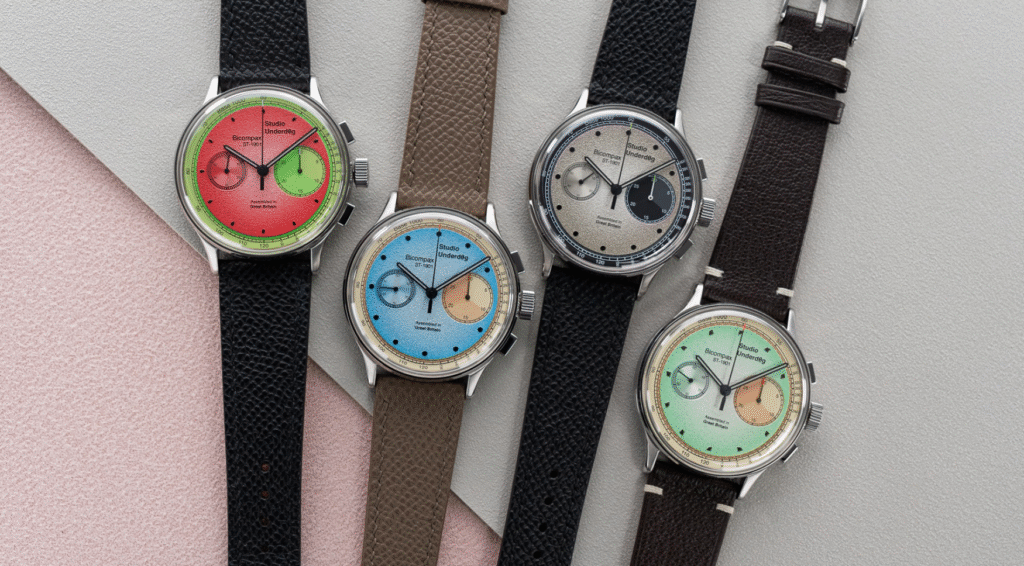
Take Studio Underd0g, for example. The British microbrand gained attention for its playful chronograph designs inspired by food and unexpected color combinations. Watches like the “Watermelon” chronograph stand out immediately in a sea of traditional designs.
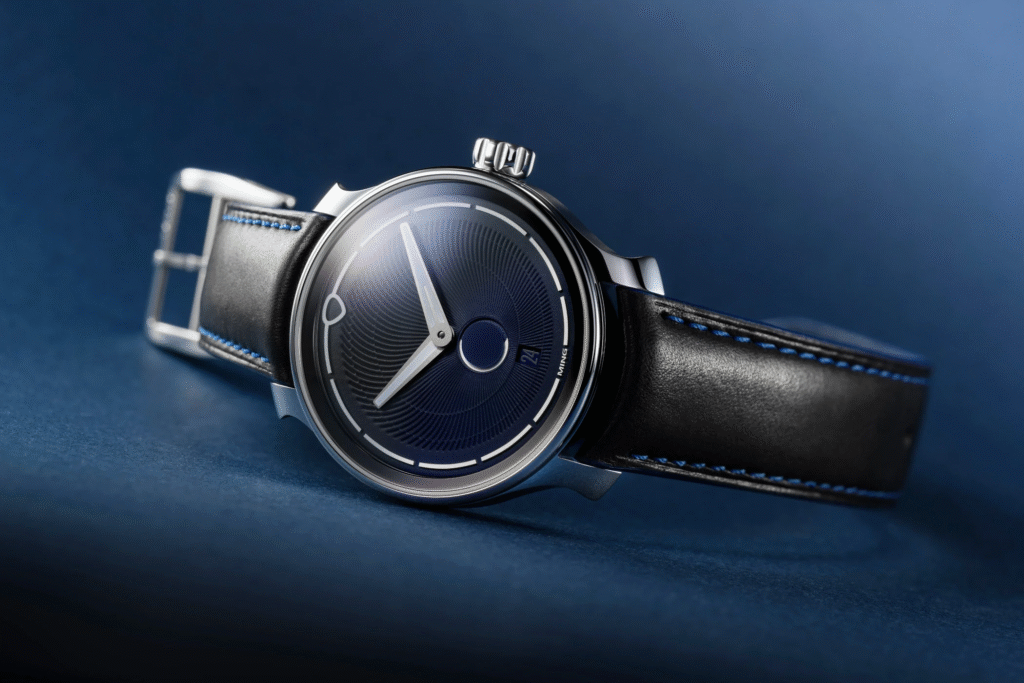
Then there are brands like Ming, which have developed a distinctive aesthetic language centered around minimalist dials, sculptural cases, and unusual lume techniques. Ming watches are recognizable at a glance, something many brands strive for but rarely achieve.
Even more traditional microbrands sometimes introduce thoughtful innovations. Unique dial textures, creative lume applications, and unusual materials can transform an otherwise familiar watch into something memorable.
These brands demonstrate that originality is still possible within the microbrand space.
The Role of Enthusiast Feedback
One of the defining features of microbrands is their close relationship with collector communities.
Unlike large watch corporations, many microbrands interact directly with enthusiasts through forums, social media, and online watch groups. Designers often solicit feedback before finalizing a watch.
This collaborative process has advantages. It allows brands to refine their products based on real-world preferences. However, it can also create a kind of creative feedback loop.
If collectors consistently request similar features such as vintage styling, moderate case sizes, and classic tool-watch aesthetics, brands will naturally gravitate toward those requests.
Over time, that feedback can reinforce the very design formula that enthusiasts later complain about. It’s a slightly ironic dynamic.
The Balancing Act Between Innovation and Familiarity
Designing watches is ultimately an exercise in balance.
Push too far into unconventional territory and you risk alienating traditional collectors. Stay too close to established formulas and your designs may feel predictable.
Microbrands must navigate that balance carefully, especially when launching their first few watches. A familiar design can build trust among buyers who are taking a chance on a relatively unknown company.
Once a brand establishes credibility, it gains more freedom to experiment.
Some of the most successful microbrands follow exactly this path. They begin with a straightforward dive watch or field watch, build a loyal customer base, and then gradually introduce more distinctive designs.
It’s a strategy that allows creativity to evolve without sacrificing stability.
Are Microbrands Really All the Same?
Despite the frequent criticism, it’s worth asking whether the similarities are truly as widespread as they appear.
Watch collecting tends to magnify patterns. Enthusiasts who follow dozens of brands closely will inevitably notice recurring design elements. Yet the broader market includes hundreds of microbrands with varying levels of originality.
Some brands indeed produce watches that resemble existing designs quite closely. Others quietly develop unique visual identities that take time to gain recognition.
In many ways, the diversity of the microbrand ecosystem is one of its strengths. Because these companies operate independently, they are free to experiment in ways that larger corporations might avoid.
Some ideas fail. Others become cult favorites. That unpredictability keeps the scene interesting.
The Future of Microbrand Design
As the microbrand market matures, design expectations will likely evolve.
Collectors are becoming more discerning. Many already own several watches and are looking for something that feels genuinely different. A simple homage to vintage tool watches may no longer be enough to capture attention.
At the same time, advances in manufacturing technology are lowering the barriers to experimentation. Small brands now have greater access to custom case production, unusual materials, and advanced finishing techniques.
These developments could encourage a new wave of creativity in the microbrand world. If that happens, the next decade of watch collecting may look very different from the last.
A Healthy Debate for Watch Enthusiasts
The question of whether microbrands rely too heavily on the same design formula doesn’t have a simple answer.
Yes, certain patterns are easy to spot. Dive watches with vintage cues and familiar case shapes remain common. But those similarities also reflect what collectors continue to enjoy wearing.
More importantly, the microbrand scene still offers plenty of surprises. Every year brings new designers, unexpected collaborations, and creative experiments.
Some watches look familiar. Others feel refreshingly original.
For enthusiasts, that ongoing mix of tradition and innovation is part of the appeal.
And perhaps that’s the real story behind microbrands. Even when the designs echo the past, the movement itself remains one of the most dynamic and unpredictable corners of modern watchmaking.
FAQ: Microbrand Watch Design
Why do many microbrand watches look similar?
Many microbrands use similar design elements because they rely on proven case shapes, reliable movements, and vintage-inspired aesthetics that collectors already appreciate. These choices reduce production risk while delivering watches that enthusiasts trust.
What is a watch microbrand?
A microbrand is a small independent watch company that typically produces limited quantities of watches and sells directly to consumers online. Many microbrands focus on enthusiast-driven design and transparent pricing.
Are microbrand watches good quality?
Many microbrand watches offer excellent quality for their price. They often feature sapphire crystals, solid stainless steel cases, reliable Japanese or Swiss movements, and thoughtful design details.
Do microbrands copy existing watch designs?
Some microbrands take inspiration from classic watch designs, particularly vintage dive and field watches. While this influence is common, many brands also add unique dial designs, materials, or finishing techniques to create their own identity.
Which microbrands are known for original design?
Brands such as Ming, Studio Underd0g, and certain independent watchmakers have gained recognition for distinctive designs that stand out from traditional watch aesthetics.