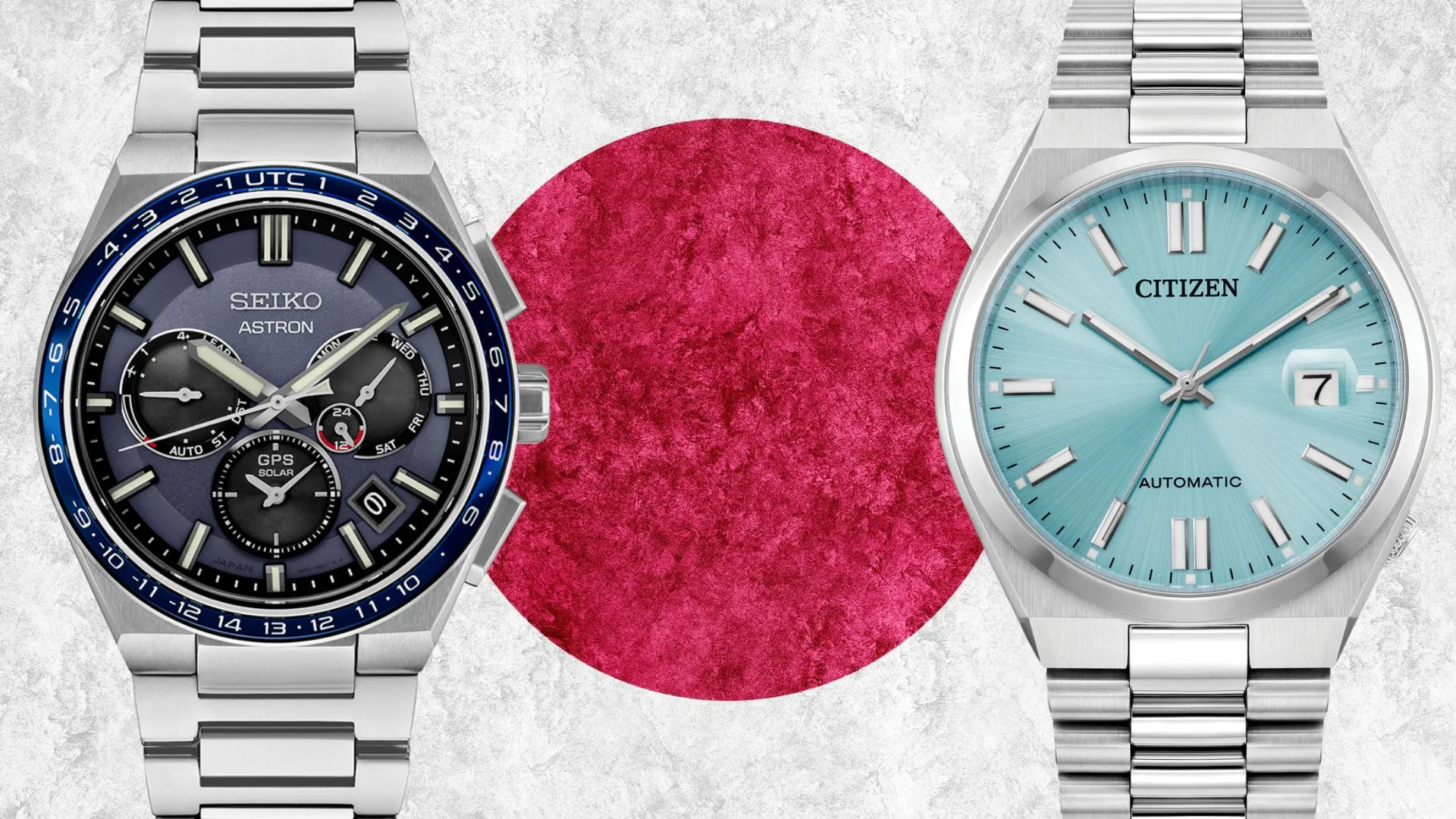
When it comes to watchmaking, Switzerland often takes the spotlight. But ask any seasoned collector, and they’ll tell you that two of the most respected names in horology hail from Japan: Seiko and Citizen. For decades, these brands have not only challenged Swiss dominance but also carved out their own identity by pioneering technology, blending tradition with modernity, and offering timepieces at nearly every price point.
The question of Seiko vs. Citizen isn’t just about which brand makes the better watch—it’s a debate about philosophy. Seiko embodies heritage, craftsmanship, and a pursuit of mechanical artistry. Citizen, on the other hand, represents innovation, sustainability, and practical functionality. Both have global followings, but their strengths cater to very different types of watch enthusiasts.
Let’s dive into the history, technology, design, and reputation of these Japanese watch giants to see where they stand—and more importantly, which might be the right choice for you.
Origins: A Tale of Japanese Ingenuity
Seiko: A Legacy That Began in 1881
Seiko’s story began when Kintarō Hattori opened a small watch repair shop in Tokyo in 1881. From these humble beginnings, Seiko quickly grew into a brand synonymous with innovation. Its early milestone came in 1913 with the Laurel, Japan’s first wristwatch.
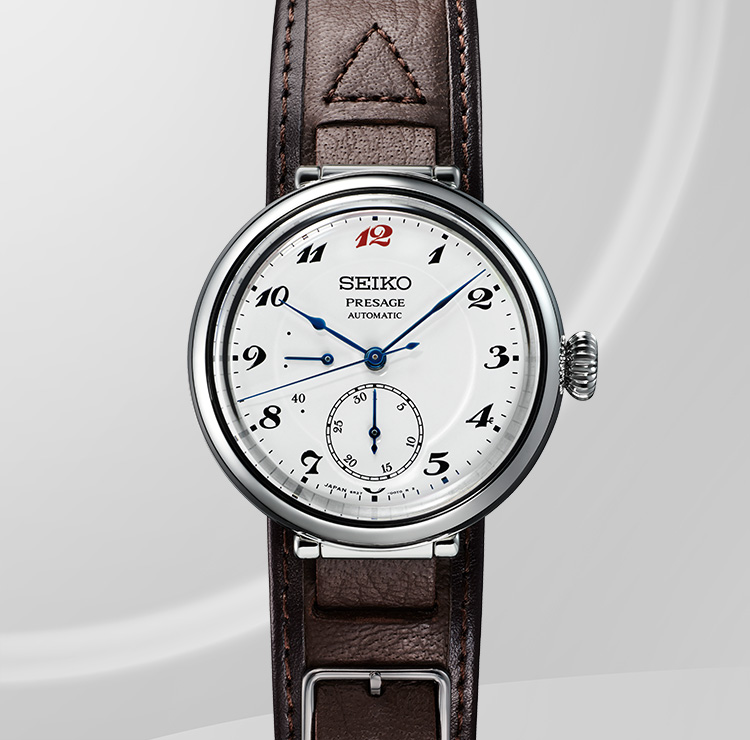
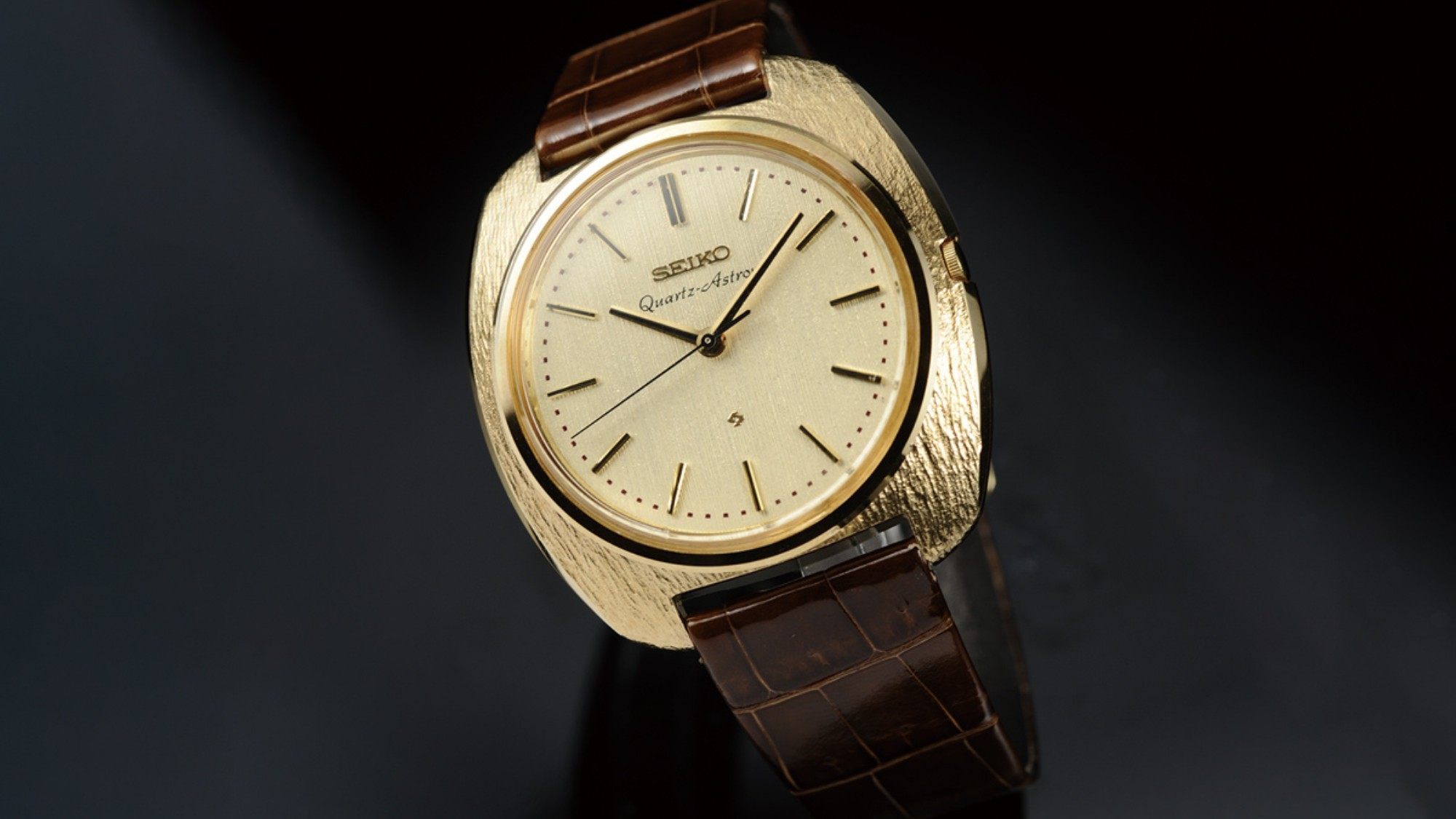
But it was 1969 that cemented Seiko’s place in horological history—the introduction of the Quartz Astron, the world’s first quartz wristwatch, a revolutionary moment that disrupted the Swiss-dominated industry.
Over the years, Seiko continued to push boundaries, from introducing Kinetic movements in the late 1980s to perfecting the Spring Drive, a hybrid of mechanical and quartz precision that remains one of the most admired technologies in watchmaking.
Citizen: A Brand for the People
Founded in 1918, Citizen was born with a mission embedded in its name—to be a watch brand for “citizens of the world.” While Seiko leaned toward artistry and tradition, Citizen built its identity on accessibility and innovation for everyday wearers.
The 1970s and 80s saw Citizen become a household name thanks to its affordable quartz watches. But the company’s real breakthrough came with the Eco-Drive in 1976, a solar-powered watch movement that harnesses any light source and virtually eliminates the need for battery changes.
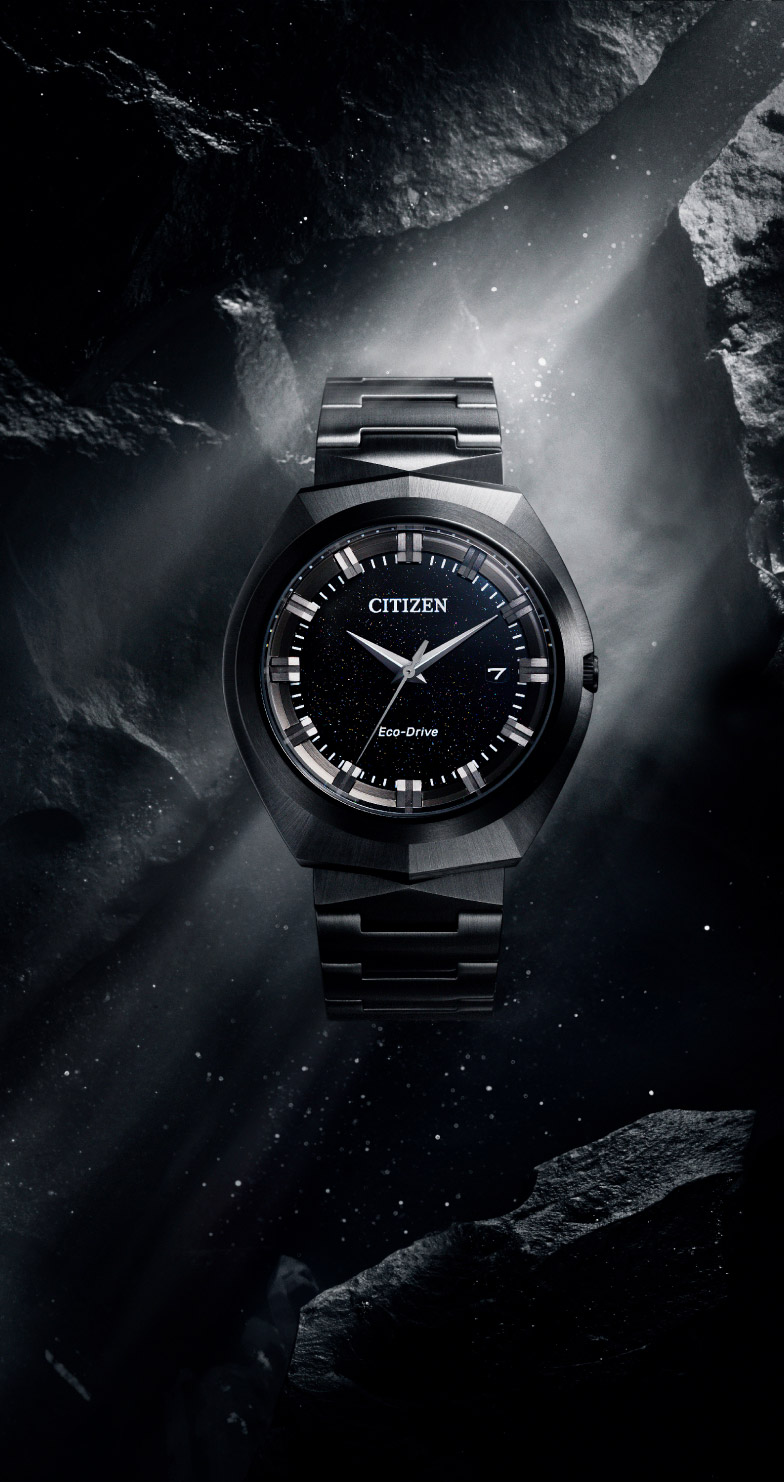
Today, Eco-Drive is the backbone of Citizen’s lineup, making it one of the most eco-conscious brands in the world of horology.
Technology Showdown: Seiko vs. Citizen
While both brands innovate relentlessly, their approaches differ.
Seiko: Blending Tradition and Modern Science
Seiko is often admired for its engineering achievements. Among its most notable innovations:
- Spring Drive: A movement that combines the mechanical beauty of traditional watchmaking with the accuracy of quartz. The result is a second hand that sweeps in a perfectly smooth, gliding motion—something no other movement replicates quite as elegantly.
- Kinetic Technology: Introduced in 1988, Seiko Kinetic watches generate power through the motion of the wearer, combining the self-winding nature of automatics with quartz accuracy.
- Diver’s Watch Standards: Seiko also played a pivotal role in developing ISO standards for dive watches. Models like the Seiko Prospex Turtle and Marinemaster have become benchmarks in durability.
Seiko’s innovations often feel like love letters to watch enthusiasts—deeply mechanical, precise, and rich with horological storytelling.
Citizen: Pioneers of Eco-Friendly Innovation
Citizen has always leaned into technology with a practical edge. Its crown jewel is Eco-Drive, a solar-powered system introduced in 1976 that’s still unrivaled today. Unlike traditional quartz watches, Eco-Drive watches harness both sunlight and artificial light, storing energy in a rechargeable cell that can last decades.
Citizen has also ventured into high-tech arenas, including:
- Satellite Wave GPS: Watches that automatically sync with satellites, adjusting time anywhere on Earth.
- Atomic Timekeeping: Ultra-precise watches that sync with radio-controlled signals.
- Professional Instrument Watches: With the Promaster line, Citizen delivers advanced features like depth meters, altimeters, and pilot-specific functions.
In short, if Seiko is about artistry, Citizen is about reliability, sustainability, and convenience.
Design Philosophy: Who Wears What?
When comparing Seiko and Citizen designs, you’re really comparing two schools of thought.
Seiko’s Aesthetic: Heritage and Craftsmanship
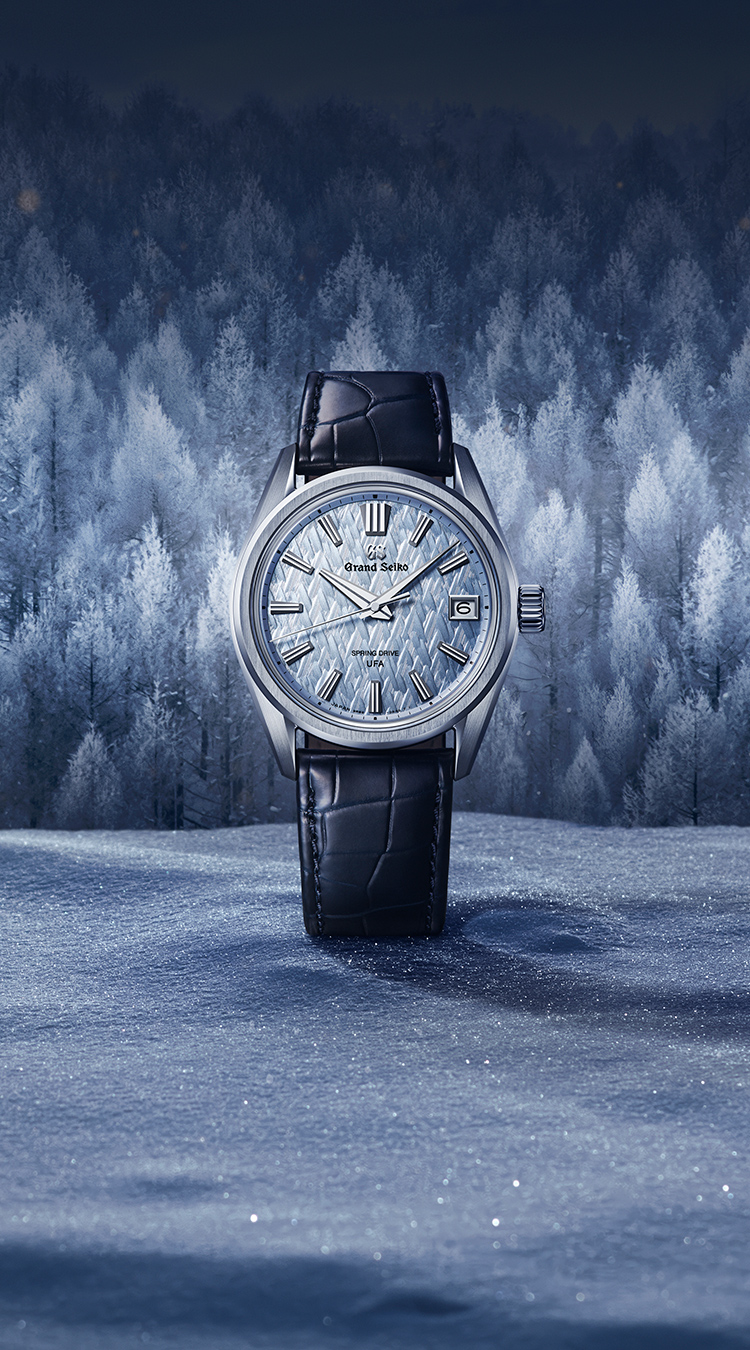
Seiko’s designs often appeal to collectors and connoisseurs.
- Seiko Presage: Dress watches that showcase Japanese artistry, featuring enamel, porcelain, and even “Cocktail Time” dials inspired by mixology.
- Seiko Prospex: Rugged, professional-grade tool watches beloved by divers and adventurers.
- Grand Seiko: A luxury sub-brand celebrated for its Zaratsu polishing, exquisite finishing, and movements that rival Swiss high horology.
Seiko designs are more than just watches—they’re pieces of craftsmanship steeped in tradition and detail.
Citizen’s Aesthetic: Sleek and Functional
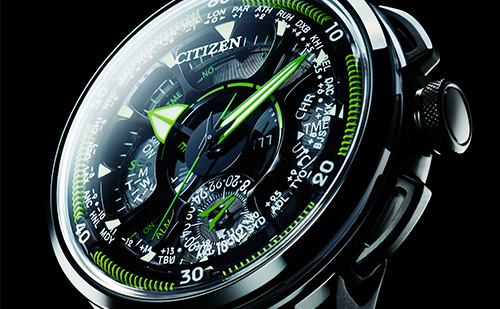
Citizen, meanwhile, leans toward modernity and versatility.
- Promaster Collection: Bold, professional-grade watches for divers, aviators, and adventurers.
- Eco-Drive Dress Watches: Slim, elegant timepieces that appeal to professionals seeking understated sophistication.
- Satellite Wave Models: Futuristic designs with oversized cases and high-tech dials that highlight Citizen’s GPS prowess.
Citizen tends to favor practicality, with clean, accessible designs suited to everyday wearers who want dependability over horological flair.
Reputation and Collectibility
This is where the Seiko vs. Citizen debate takes a turn.
Seiko enjoys higher prestige among collectors. Vintage Seiko chronographs, Grand Seiko models, and limited editions often command attention in the resale market. For many enthusiasts, Seiko represents a bridge between affordable entry-level watches and elite luxury timepieces.
Citizen, while highly respected, does not occupy the same collector’s pedestal. Instead, it thrives in the realm of practicality. People buy Citizen watches to wear daily, not to keep in safes. That said, limited releases—particularly in the Promaster line—have earned cult followings among professional divers and adventurers.
Price Points: Entry-Level to Luxury
Both brands cover a wide spectrum of pricing, but with different emphases.
- Seiko: Starts with entry-level watches under $200 (like the Seiko 5 Sports), climbs through mid-tier Prospex and Presage models ($500–$2,000), and tops out with Grand Seiko, which competes in the $5,000–$50,000 range against Swiss luxury houses like Rolex and Omega.
- Citizen: Dominates the affordable-to-mid-tier space. Eco-Drive watches typically range from $150 to $1,000, with Promaster models stretching higher. Citizen’s luxury offshoot, The Citizen, produces high-end models with hand-assembled movements, but these remain relatively niche compared to Grand Seiko.
Which Brand Should You Choose?
Ultimately, your decision depends on what you value most in a watch.
- Choose Seiko if you appreciate traditional watchmaking, mechanical innovation, and collectible artistry. It’s the brand for horology lovers who want history and prestige on their wrist.
- Choose Citizen if you prioritize convenience, eco-friendliness, and cutting-edge technology. It’s the brand for modern professionals who want a watch that’s reliable, sustainable, and virtually maintenance-free.
The Verdict: Two Giants, One Legacy
The beauty of the Seiko vs. Citizen rivalry is that both brands elevate each other. Seiko sets the bar for artistry and horological innovation, while Citizen pushes boundaries in technology and eco-conscious design. Together, they’ve shaped the identity of Japanese watchmaking, proving that excellence doesn’t always come from Switzerland.
Whether you’re drawn to the smooth glide of a Seiko Spring Drive second hand or the worry-free longevity of a Citizen Eco-Drive, one thing is clear: these brands aren’t just competing—they’re redefining what it means to build a truly great watch.
In the end, Seiko and Citizen aren’t just watchmakers. They’re storytellers of Japanese innovation, each offering a different tale for your wrist. And whichever story you choose, you’ll be wearing a piece of horological history.