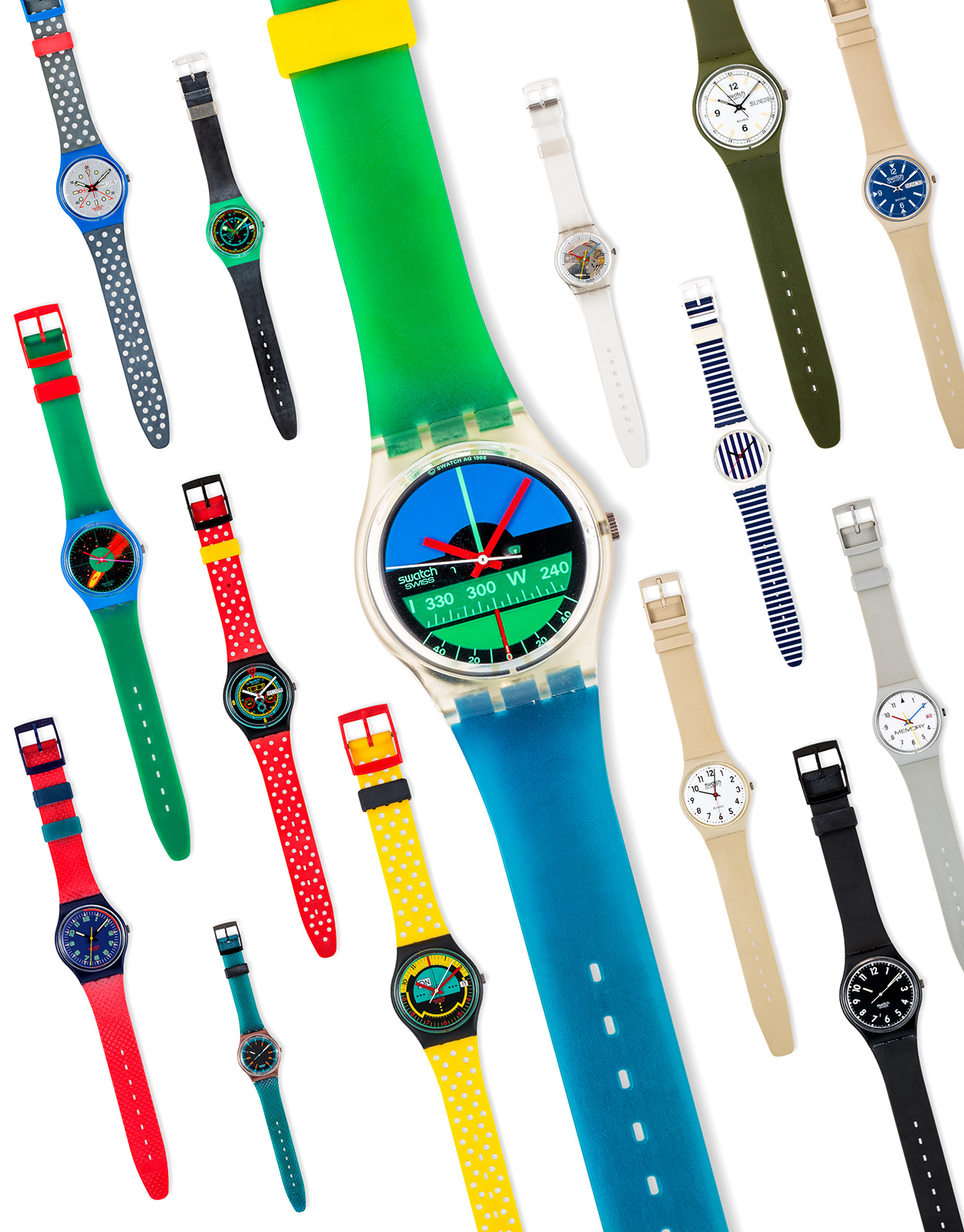
In the world of horology, few names carry as much influence as Swatch Group. While most consumers recognize Swatch for its colourful plastic watches of the 1980s, insiders know that the company is far more than a fashion accessory brand. Today, the Swatch Group is a watchmaking empire, housing some of the most prestigious Swiss marques while also controlling key parts of the industry’s supply chain.
But how did this company, once underestimated as a maker of cheap quartz watches, grow to dominate the global watch market? The secret lies in a brilliant combination of vertical integration, brand diversification, and strategic innovation. Let’s dive deep into the powerhouse that is the Swatch Group and explore why it remains one of the most influential players in modern horology.
The Origins: From Crisis to Opportunity
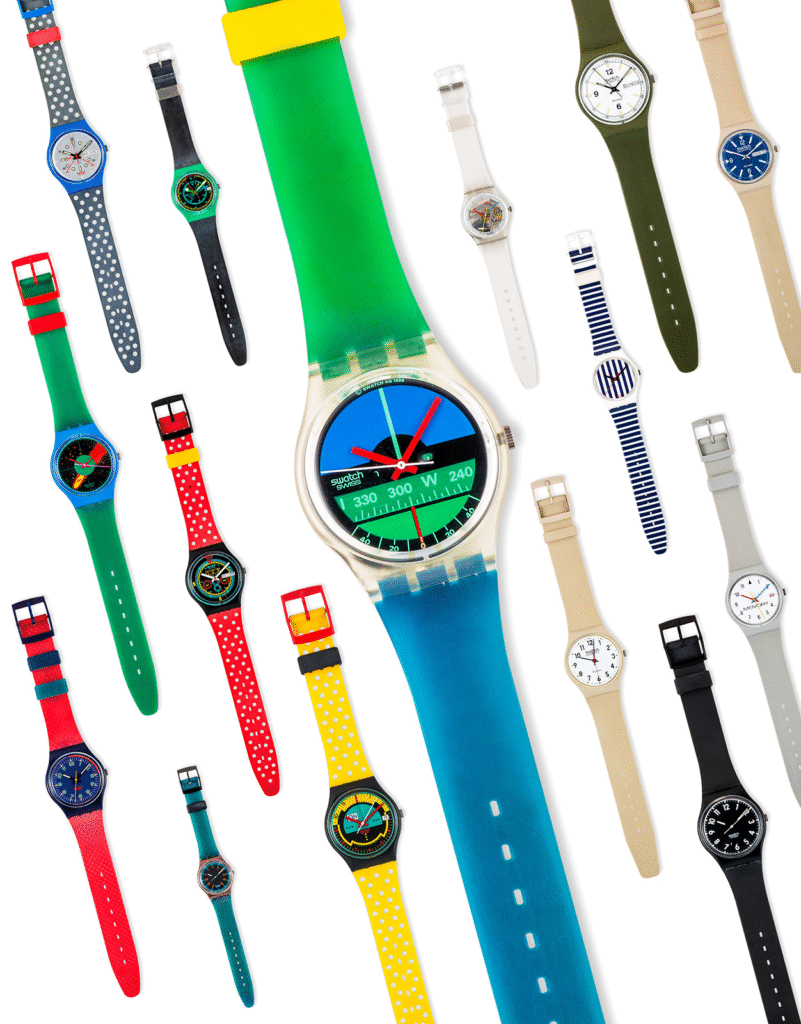
To understand the Swatch Group’s power, we need to rewind to the Quartz Crisis of the 1970s and 1980s. The rise of inexpensive, highly accurate quartz watches from Japan nearly destroyed Switzerland’s centuries-old mechanical watch industry. Countless Swiss manufacturers closed their doors as brands like Seiko and Citizen flooded the market with affordable, reliable quartz models.
Enter Nicolas G. Hayek, the Lebanese-born Swiss entrepreneur who would forever reshape the industry. In 1983, Hayek oversaw the merger of two struggling Swiss watch conglomerates, ASUAG and SSIH, creating what would become the Swatch Group. His vision was revolutionary: embrace quartz technology but repackage it with Swiss style, bold design, and cultural relevance.
The result was the Swatch watch—a colourful, affordable, and fashion-driven timepiece that not only revived Swiss watchmaking but also transformed watches into lifestyle statements. This commercial triumph provided the financial stability for the Swatch Group to expand and eventually acquire prestigious luxury brands.
The Secret Weapon: Vertical Integration
What truly sets the Swatch Group apart from other watch conglomerates is its vertical integration. Unlike many competitors, Swatch controls nearly every aspect of production—from movement manufacturing to component supply.
At the heart of this dominance is ETA SA Manufacture Horlogère Suisse, one of the largest movement makers in the world. ETA has historically supplied movements not only to Swatch brands but also to rival companies. While Swatch has reduced outside distribution in recent years, its historical role as the engine provider to the industry cemented its importance.
In addition to ETA, Swatch owns a portfolio of specialised subsidiaries such as:
- Nivarox-FAR (balance springs, the “heartbeat” of mechanical watches)
- Comadur (sapphire crystals)
- Renata (watch batteries)
This control ensures Swatch Group brands enjoy independence and reliability in a market where movement supply can be scarce. It also makes Swatch Group a gatekeeper, with immense influence over competitors who once relied on its parts.
A Brand Portfolio That Covers Every Segment
Swatch Group’s genius also lies in its brand diversification. Unlike many luxury groups that focus only on high-end products, Swatch covers the entire watchmaking spectrum—from entry-level to haute horlogerie.
Entry-Level
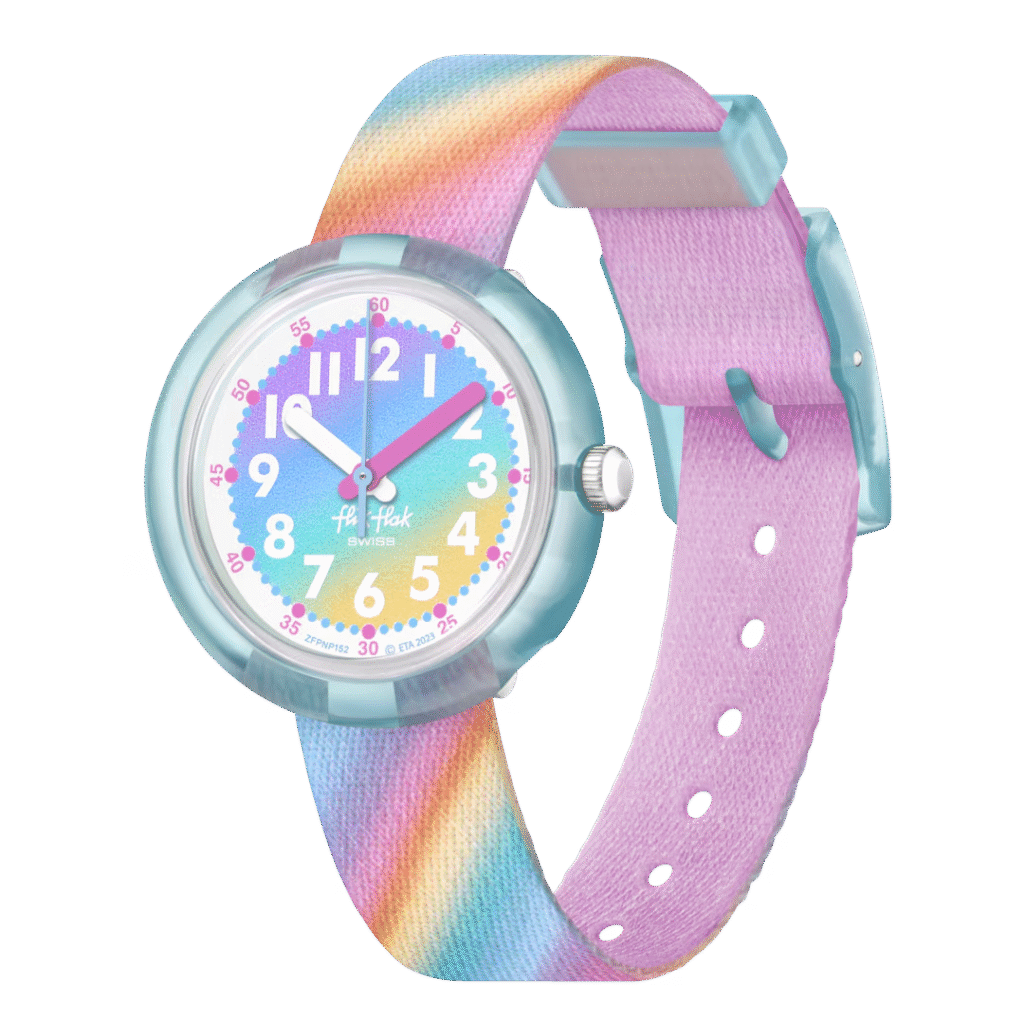
- Swatch – The playful, affordable icon that started it all.
- Flik Flak – Fun and educational watches for children.
Mid-Tier
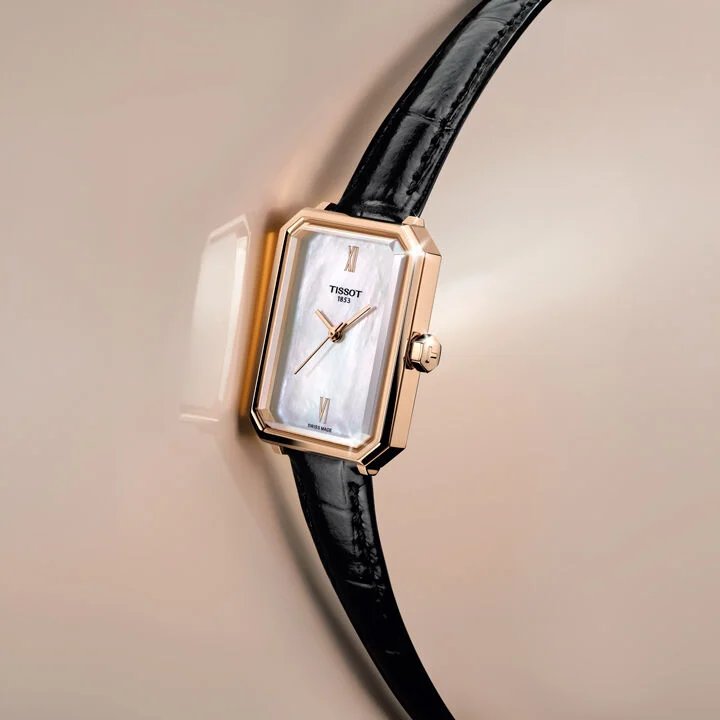
- Tissot – Accessible Swiss-made watches with strong heritage.
- Hamilton – Known for aviation-inspired and Hollywood-featured designs.
- Certina – Sporty and robust watches, often tied to adventure.
Premium and Luxury
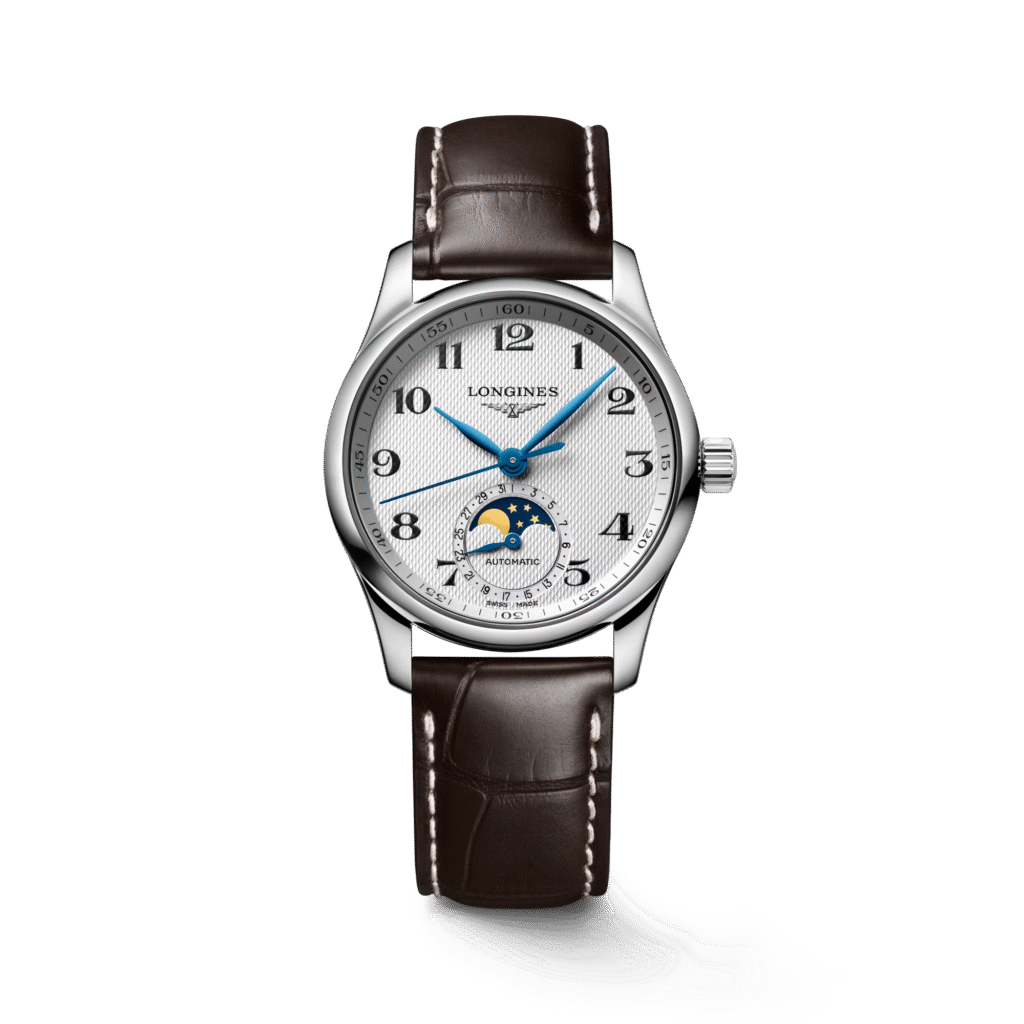
- Longines – Elegant, heritage-driven pieces at approachable luxury prices.
- Rado – Innovative ceramic designs with futuristic aesthetics.
- Union Glashütte – German craftsmanship under Swiss ownership.
Haute Horlogerie
- Breguet – One of the most historic names in watchmaking, credited with inventions like the tourbillon.
- Blancpain – Legendary for its diving watches, particularly the Fifty Fathoms.
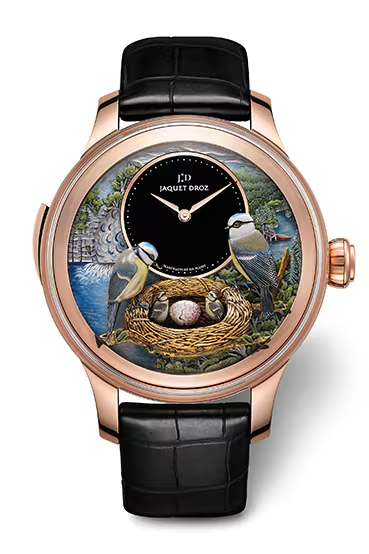
- Jaquet Droz – Renowned for artistic dials and mechanical automata.
- Glashütte Original – A jewel of German high horology, with meticulous finishing and in-house movements.
- Harry Winston – The “King of Diamonds,” blending jewelry artistry with haute horlogerie.
This portfolio allows Swatch to capture customers at every stage of their watch journey—starting with a $100 Swatch and potentially leading to a $100,000 Breguet. Very few companies in the industry can match this cradle-to-collector strategy.
Innovation as a Driving Force
Another reason behind Swatch Group’s power is its commitment to innovation. While deeply rooted in tradition, the company has consistently pushed technological boundaries:
- Swatch Sistem51: A revolutionary mechanical watch assembled entirely by machine, with just 51 parts and a 90-hour power reserve.
- Omega Co-Axial Escapement: A groundbreaking movement technology that reduces friction and extends service intervals, cementing Omega as a true innovator.
- Material Science: From Rado’s pioneering use of high-tech ceramics to Omega’s anti-magnetic movements resistant to 15,000 gauss, Swatch has continually invested in advanced horological engineering.
These innovations ensure that the Swatch Group is not just repeating history—it’s shaping the future of watchmaking.
The Marketing Machine
Swatch Group also wields enormous influence through marketing and cultural relevance. The original Swatch watches were tied to art collaborations, limited editions, and pop culture. This approach made watches not just tools, but collectible statements.
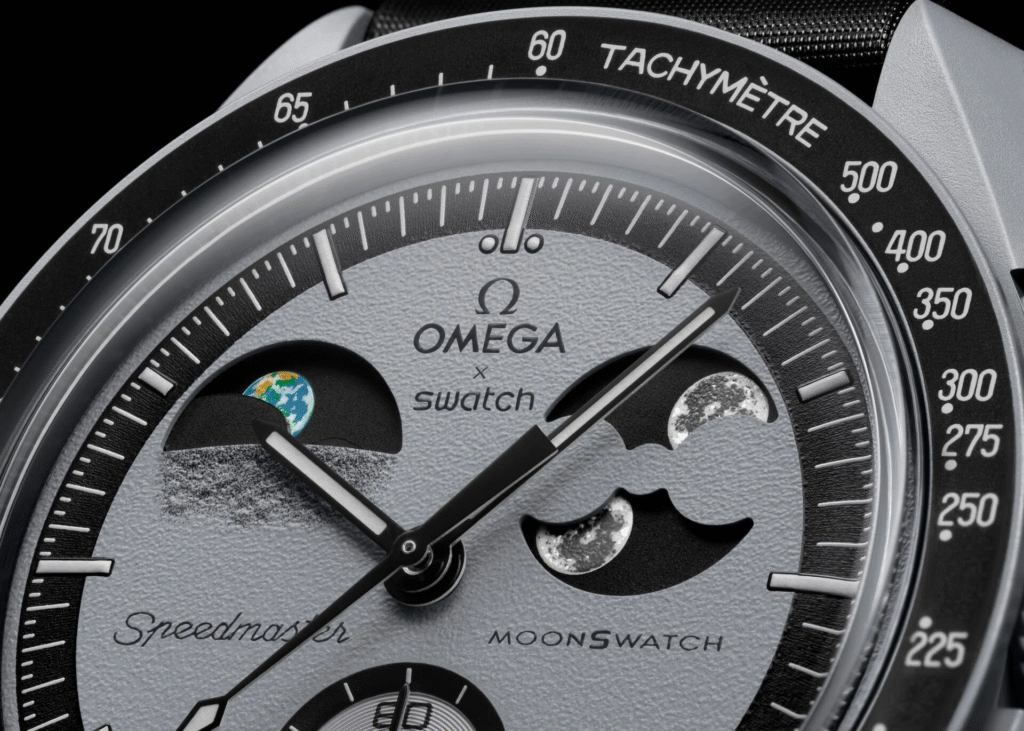
Meanwhile, brands like Omega have cemented their reputations through high-profile partnerships. Omega is the official timekeeper of the Olympics, the watch of choice for James Bond, and the first watch worn on the moon. These associations create aspirational value that no marketing budget can easily replicate.
Challenges and Criticism
Of course, with great power comes scrutiny. Swatch Group has faced criticism for limiting ETA movement supplies to outsiders, seen by some as anti-competitive. Its strict control over parts distribution has also frustrated independent watchmakers and repair specialists.
Additionally, the group must navigate a rapidly changing landscape where smartwatches dominate entry-level sales. While Swatch has experimented with connected watches, it has yet to achieve the same level of success as Apple or Garmin in this space.
Still, the group’s diversified portfolio and strong heritage position it well to weather these challenges.
The Future of Swatch Group
Looking ahead, Swatch Group seems poised to maintain its influence. Its strategy of heritage plus innovation, combined with vertical integration and brand diversity, gives it resilience against both economic downturns and technological shifts.
If the Quartz Crisis nearly destroyed Swiss watchmaking, the Swatch Group’s creation saved it. Today, it not only preserves Switzerland’s horological legacy but actively pushes the industry forward.
Final Thoughts
The secret behind the Swatch Group’s power isn’t just one thing—it’s a combination of factors: control of supply chains, a wide-reaching brand portfolio, relentless innovation, and masterful marketing. From a $50 Swatch to a $500,000 Breguet, the group’s reach is unparalleled.
In many ways, the Swatch Group is more than a watch company—it’s the backbone of modern horology. And while competitors like Richemont and LVMH are formidable, none have quite the same breadth and influence.
When we talk about the giants of watchmaking, the Swatch Group doesn’t just stand tall—it holds the crown.


2 Comments