When it comes to cinematic style, few characters have influenced fashion and horology as profoundly as James Bond. From tailored tuxedos to high-performance gadgets, every detail of 007’s image has been meticulously crafted to exude sophistication, danger, and allure. Among these details, none have captured the public imagination quite like Bond’s wristwatch — a symbol of elegance, precision, and power.
Yet, one question continues to intrigue watch enthusiasts and film buffs alike: Why did James Bond switch from Rolex to Omega?
The answer is as layered as the spy himself — blending tradition, marketing genius, film history, and the evolution of style.
The Rolex Era: Bond’s Original Timepiece
When Ian Fleming created James Bond in the 1950s, he imagined his hero wearing a Rolex. In the 1963 novel On Her Majesty’s Secret Service, Fleming described Bond’s watch as a Rolex Oyster Perpetual — a practical, robust tool befitting a British secret agent. This choice wasn’t arbitrary; Fleming himself wore a Rolex Explorer, which mirrored his belief in understated British elegance.
On screen, Sean Connery immortalized the Rolex Submariner Ref. 6538 in Dr. No (1962). The Submariner’s steel case, rotating bezel, and clean black dial became inseparable from Bond’s rugged sophistication. It wasn’t flashy — it was functional, resilient, and effortlessly cool.
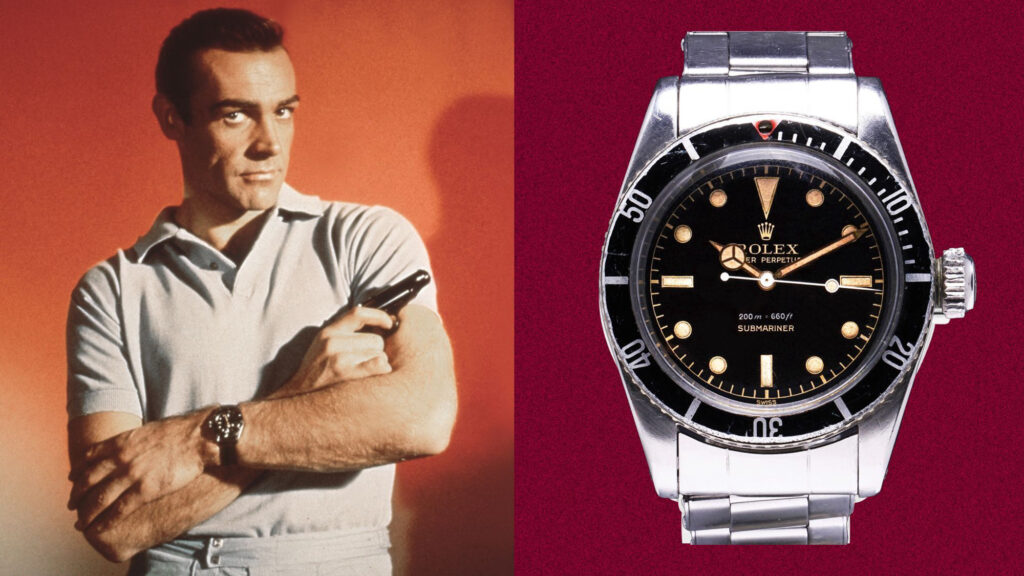
Through the 1960s and 70s, Rolex symbolized Bond’s roots: a man of action with impeccable taste. The Submariner appeared in multiple films, solidifying its place in cinematic and horological history.
Enter the 1990s: A New Bond for a New Era
By the early 1990s, the world had changed — and so had James Bond. The Cold War had ended, technology had advanced, and cinema was entering a new era of product placement and brand collaborations.
When Pierce Brosnan took over the role in GoldenEye (1995), the Bond franchise needed a fresh image — one that reflected modernity and global appeal while maintaining luxury and class. Enter Omega.
The film’s costume designer, Lindy Hemming, played a pivotal role in this transition. She explained:
“I wanted Bond to look like a man of the world, not someone who only shopped in England. Omega seemed perfect — sophisticated, stylish, and technically advanced.”
Omega, with its deep diving heritage and sleek designs, perfectly matched Brosnan’s suave interpretation of 007. Thus began one of the most enduring partnerships in movie and marketing history.
Omega’s Strategic Move: Precision Meets Publicity
The switch wasn’t just about aesthetics — it was a masterstroke of marketing.
In the mid-1990s, Omega was seeking to strengthen its global presence and appeal to a younger, more fashion-conscious demographic. The James Bond franchise, with its international reach and timeless cool, was the ideal platform.
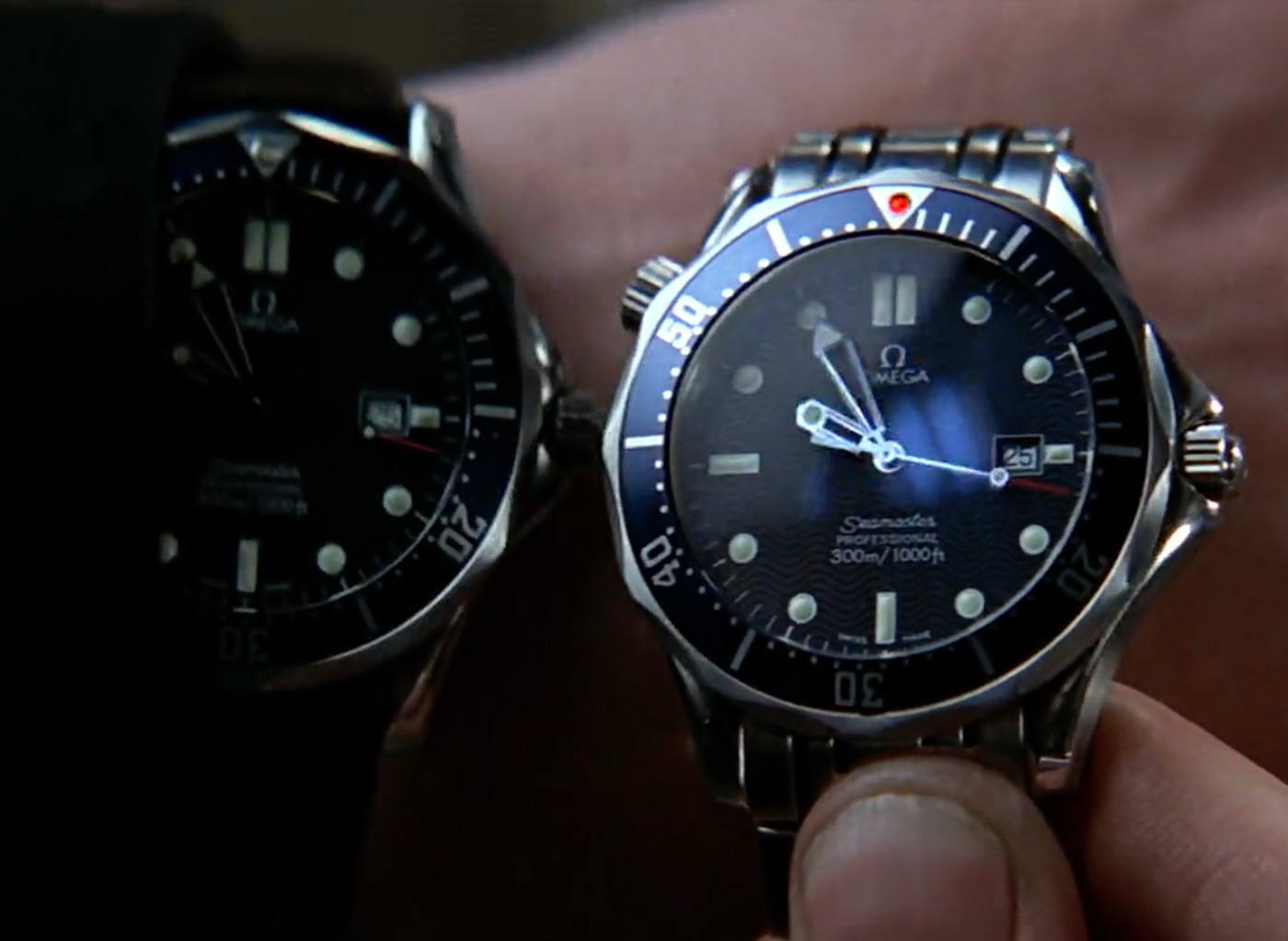
The partnership positioned Omega not just as a luxury brand, but as the watch of choice for heroes — blending technical mastery with aspirational style. The chosen model, the Omega Seamaster Professional 300M Quartz (Ref. 2541.80), perfectly embodied this vision.
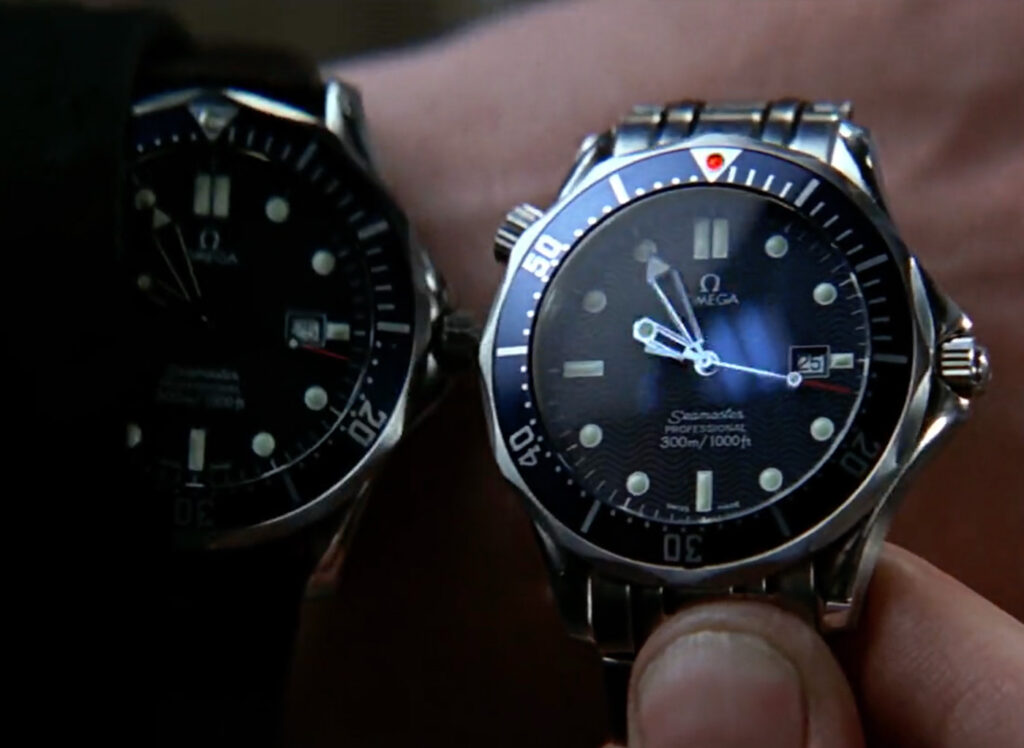
Its blue wave-patterned dial, helium escape valve, and robust build communicated both sophistication and utility. This was no mere accessory; it was a tool of the trade — exactly what a modern Bond would wear.
GoldenEye to No Time to Die: Omega’s Evolution with Bond
Since that 1995 debut, Omega has been featured in every Bond film, evolving alongside the character and the franchise.
Pierce Brosnan’s Era (1995–2002)
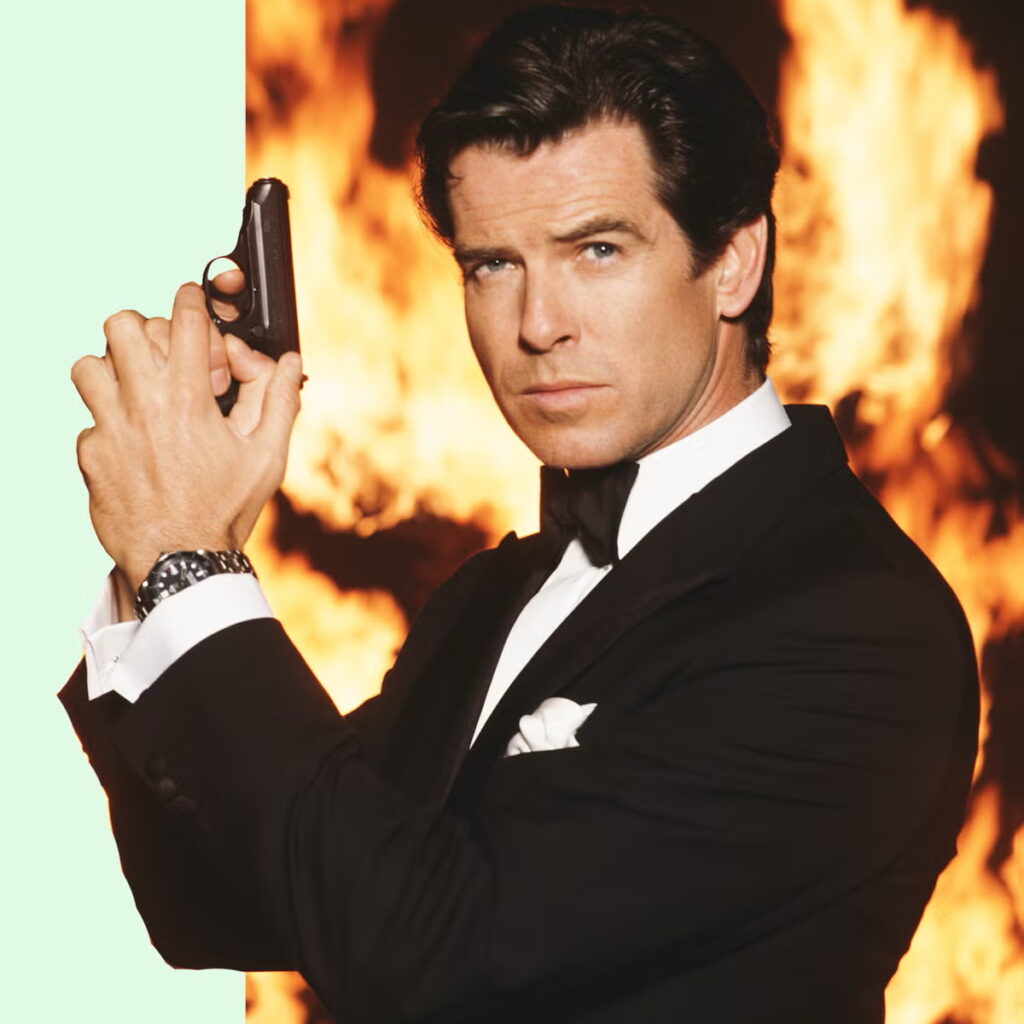
Brosnan’s Bond epitomized refinement. His Seamaster became iconic, balancing luxury with technological prowess. From GoldenEye to Die Another Day, Omega watches were loaded with cinematic gadgets — from laser cutters to grappling hooks. The Seamaster wasn’t just a prop; it was a symbol of Bond’s resourcefulness.
Daniel Craig’s Era (2006–2021)
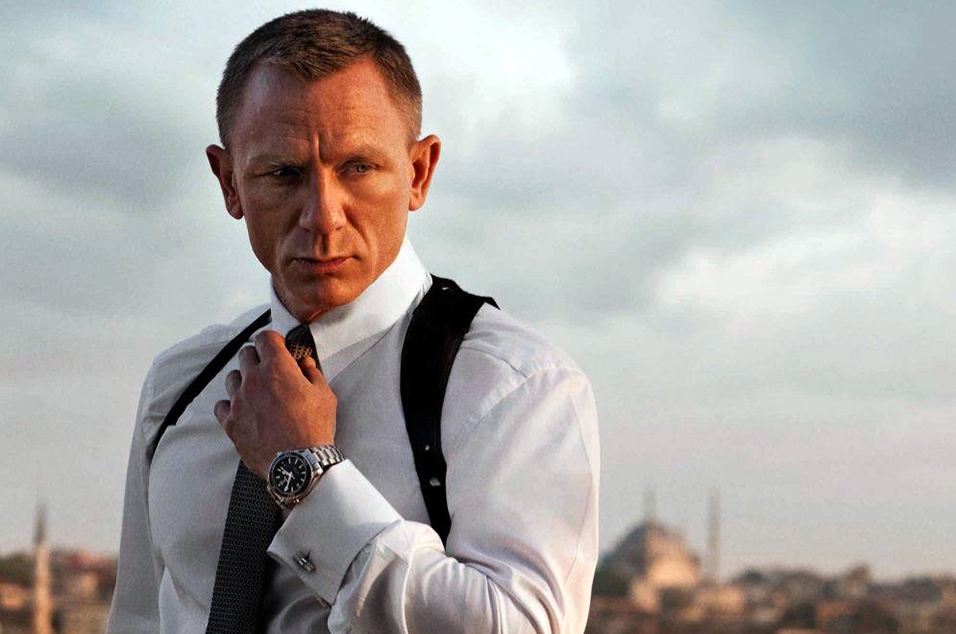
When Daniel Craig stepped into Bond’s shoes, the franchise took a grittier, more realistic tone — and Omega evolved accordingly. The Seamaster Planet Ocean and later the Seamaster Diver 300M Co-Axial Master Chronometer reflected Craig’s more rugged interpretation of the character.
Craig’s Bond wasn’t the untouchable super-spy of the past; he was human, flawed, and emotionally complex. The choice of Omega emphasized craftsmanship, resilience, and authenticity.
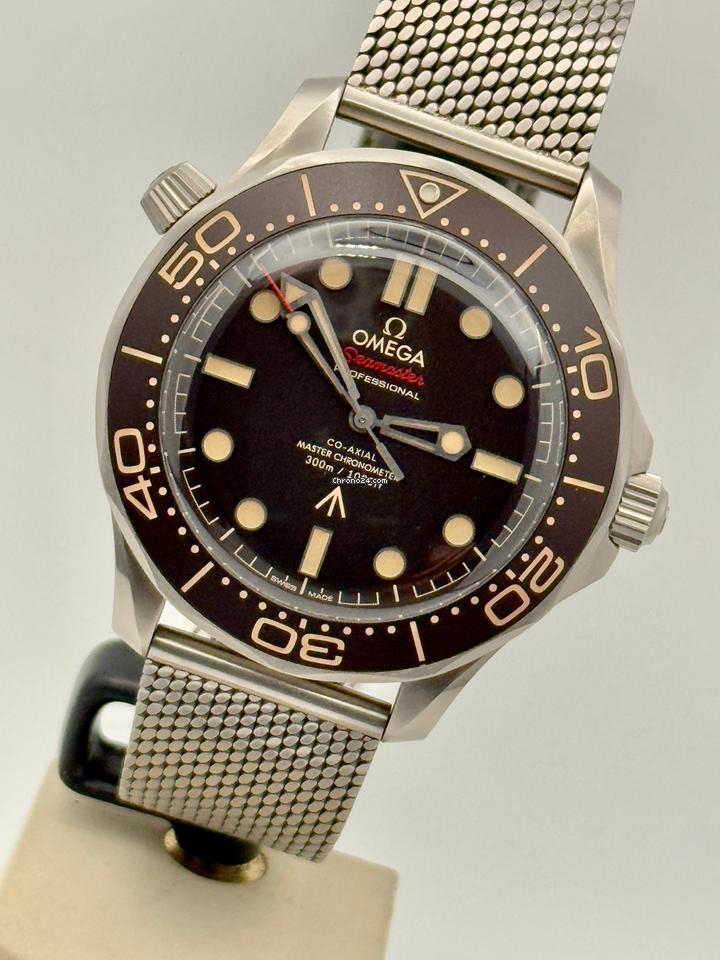
In No Time to Die (2021), Craig’s final outing, he wore a Seamaster Diver 300M 007 Edition, co-designed with him. Crafted from lightweight titanium with vintage-inspired lume, it represented a full-circle moment: modern innovation meeting timeless design.
Why Omega Was the Perfect Fit for Modern Bond
1. Technological Innovation
Omega’s advancements in Co-Axial escapement technology, anti-magnetic movements, and durable materials aligned with Bond’s gadget-filled lifestyle. Unlike the purely mechanical Rolex of earlier decades, Omega symbolized cutting-edge engineering — the future of horology meeting cinematic fantasy.
2. A New Kind of Luxury
By the 1990s, luxury wasn’t about exclusivity alone; it was about identity. Omega embodied a brand of attainable aspiration — prestigious, yet modern. It was less aristocratic than Rolex, but no less refined, appealing to a broader audience of professionals and enthusiasts.
3. Global Branding Power
Omega’s sponsorship extended beyond film. They became official timekeepers of the Olympic Games, reinforcing their reputation for precision. The Bond association elevated their image even further, blending sport, technology, and cinema into a cohesive global identity.
4. Gender-Neutral Appeal
Omega’s design language — sleek, modern, and versatile — resonated with both male and female audiences. This was crucial as Bond films began introducing stronger female leads. Omega symbolized equality and intelligence, not just masculinity.
Rolex vs. Omega: Style and Identity
While Rolex represents heritage and timeless prestige, Omega has cultivated an identity rooted in innovation and accessibility. Bond’s switch mirrored the cultural shift of the 1990s — from old-world luxury to forward-thinking sophistication.
Where Rolex is the watch you inherit, Omega is the one you choose.
This transition also reflected Bond’s evolution as a cultural icon — from the classic gentleman spy to a global agent adapting to new challenges and technologies. It was as much a storytelling decision as a marketing one.
Pop Culture Impact: The Omega Effect
The Omega–Bond partnership redefined how brands and films collaborate. Since GoldenEye, Omega sales surged, and the Seamaster line became synonymous with adventure and class. Collectors began to seek out “Bond editions,” and Omega released numerous limited-edition models tied to the films.
Even Rolex enthusiasts had to admit — Omega had executed one of the most effective brand reinventions in watch history.
By associating with Bond, Omega became more than a luxury watchmaker; it became a cultural icon. The Seamaster now stands shoulder-to-shoulder with the Submariner — not as an imitator, but as an equal.
Bond’s Choice Today: Symbolism Over Status
In modern films, Bond’s Omega isn’t merely a product placement; it’s a character statement. The watches represent practical elegance — sleek, durable, and quietly confident.
Omega’s presence reinforces the idea that Bond is a professional, not a show-off. His watch is built for the mission — as ready for a dive in the Mediterranean as a black-tie gala in London.
It’s a symbol of evolution — of Bond, of Omega, and of the relationship between fashion and functionality in the modern age.
Conclusion: More Than a Watch Swap
The transition from Rolex to Omega was more than a branding change — it was a passing of the torch between two legends of horology.
Rolex defined the early Bond — rugged, classic, and quintessentially British. Omega redefined the modern Bond — global, innovative, and technologically sophisticated.
Both brands represent excellence, but Omega captured the spirit of the times. In a world where heroes need to be adaptable, connected, and forward-looking, Omega became the perfect fit for 007’s wrist.
In the end, Bond didn’t just change watches — he evolved with them. And as long as Omega continues to balance timeless design with modern innovation, the partnership will remain one of the most iconic in cinematic and watchmaking history.