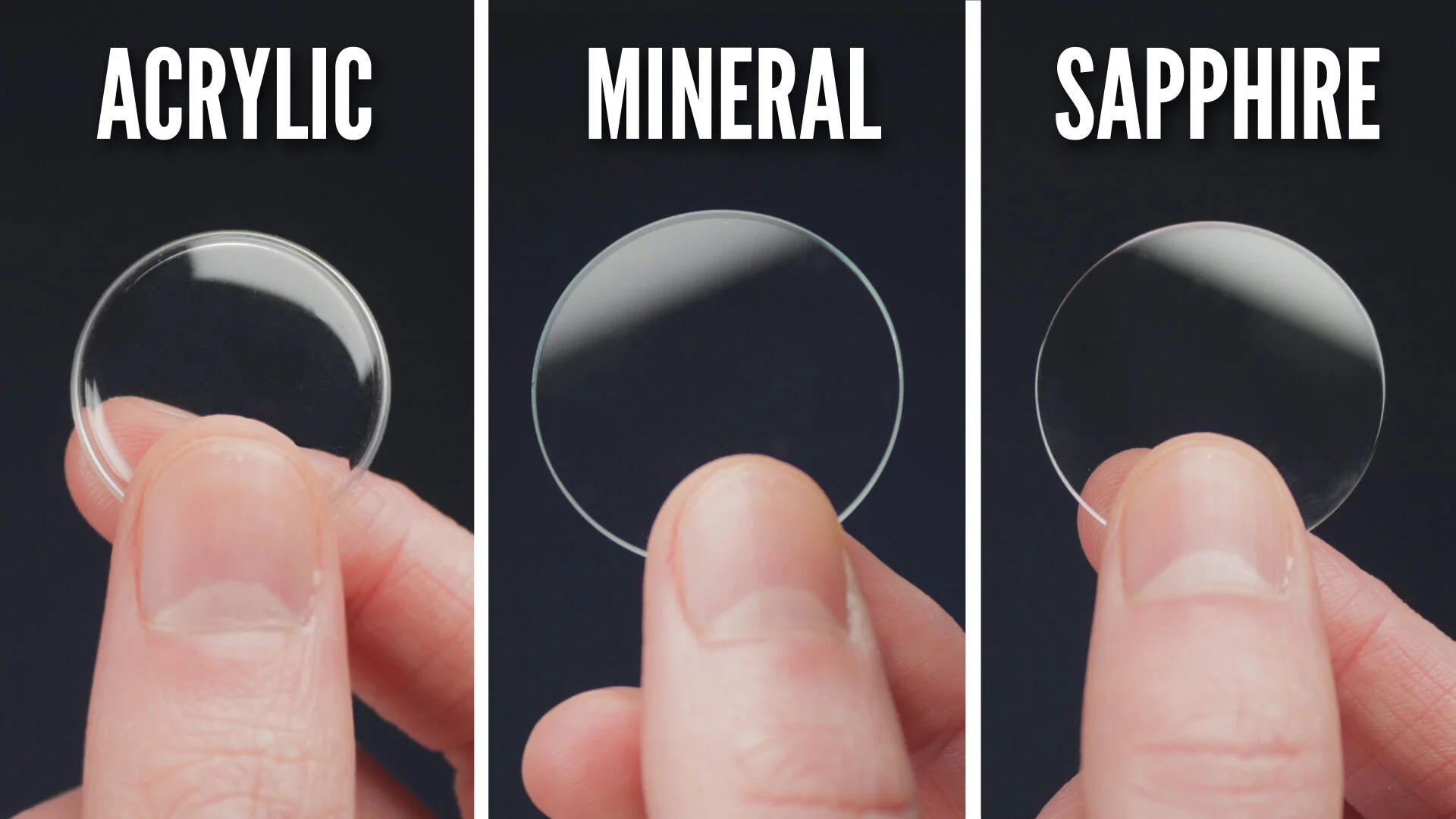
When it comes to buying a watch, most of the attention goes to the movement, the brand, or the design. But one of the most important—yet often overlooked—features is the watch crystal. This is the transparent cover that protects the dial and hands, and the type of crystal can dramatically affect durability, appearance, and price.
The three most common watch crystals are sapphire, mineral, and acrylic. Each has its own strengths, weaknesses, and place in horology. If you’re deciding which is best for your next timepiece, here’s a deep dive into the differences.
What Is a Watch Crystal?
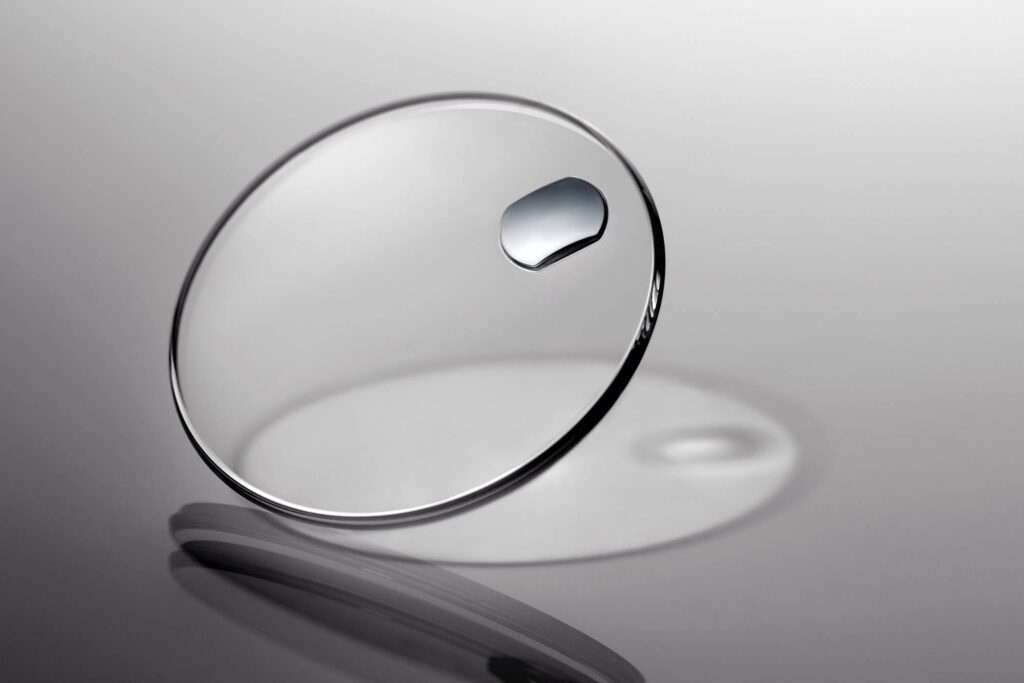
The term “crystal” might sound like something luxurious, but in watchmaking, it simply refers to the transparent covering over the watch face. Its role is both functional and aesthetic: it protects the dial and ensures clear visibility of the hands and markers.
Sapphire Crystal: The Luxury Standard

Sapphire crystal is considered the gold standard of watchmaking. Made from synthetic sapphire (crystallised aluminum oxide), it ranks 9 out of 10 on the Mohs scale of hardness, second only to diamond.
Advantages:
- Scratch Resistance – Extremely hard to scratch, which keeps your watch looking pristine for years.
- Clarity – Often treated with anti-reflective coatings, providing excellent transparency.
- Prestige – Associated with high-end watches, from Rolex to Omega and beyond.
Disadvantages:
- Cost – Sapphire crystal is the most expensive option.
- Shatter Risk – While scratch-resistant, sapphire can shatter or chip if hit hard.
Best For: Collectors and enthusiasts who want luxury, durability, and long-term clarity.
Mineral Crystal: The Everyday Choice
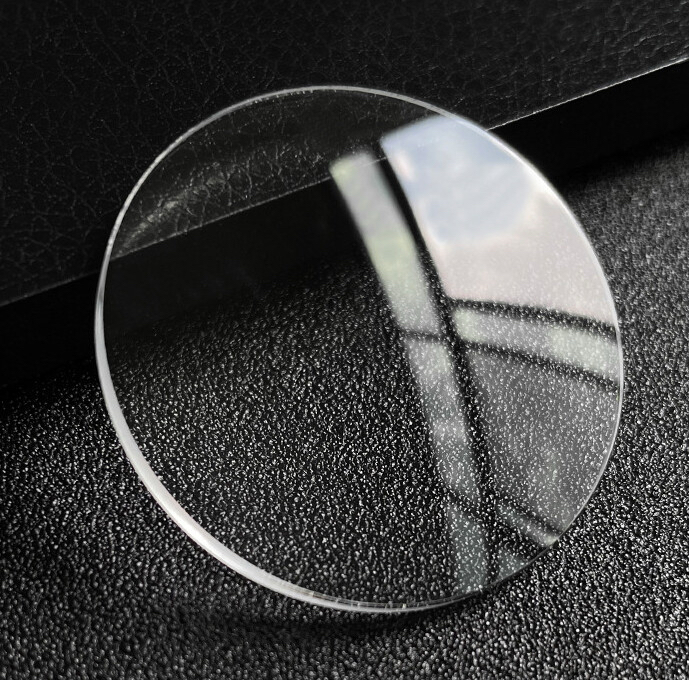
Mineral crystal is essentially hardened glass, treated with heat or chemicals to make it more resistant to scratches than standard glass. It is the most common crystal found in affordable to mid-range watches.
Advantages:
- Affordability – Much cheaper than sapphire, keeping costs down.
- Shatter Resistance – Less brittle than sapphire, more resistant to impact.
- Widespread Use – Found in brands like Seiko, Citizen, and Casio.
Disadvantages:
- Scratch Vulnerability – Easier to scratch than sapphire.
- Limited Lifespan – Over time, scratches may accumulate and dull clarity.
Best For: Practical wearers who want a balance between cost and durability.
Acrylic Crystal: The Vintage Classic
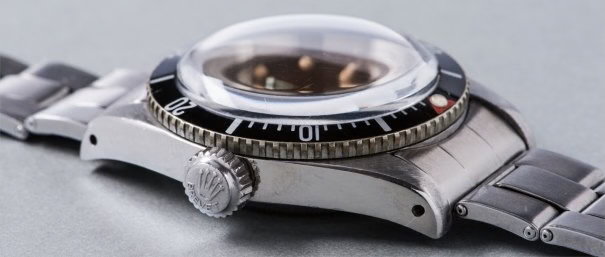
Also known as plexiglass or hesalite, acrylic crystal is made from a type of plastic. While it may sound outdated, it has a strong following among collectors—especially for vintage or historically significant models.
Advantages:
- Impact Resistance – Very hard to shatter; it bends rather than breaks.
- Vintage Appeal – Has a warm, slightly domed look that enthusiasts love.
- Easily Polished – Scratches can often be buffed out with a simple polish.
Disadvantages:
- Scratch-Prone – The softest of the three, making it more susceptible to marks.
- Lower Prestige – Seen as less luxurious compared to sapphire or mineral.
Best For: Fans of vintage aesthetics or those who want a lightweight, shatter-resistant option.
Choosing the Right Watch Crystal
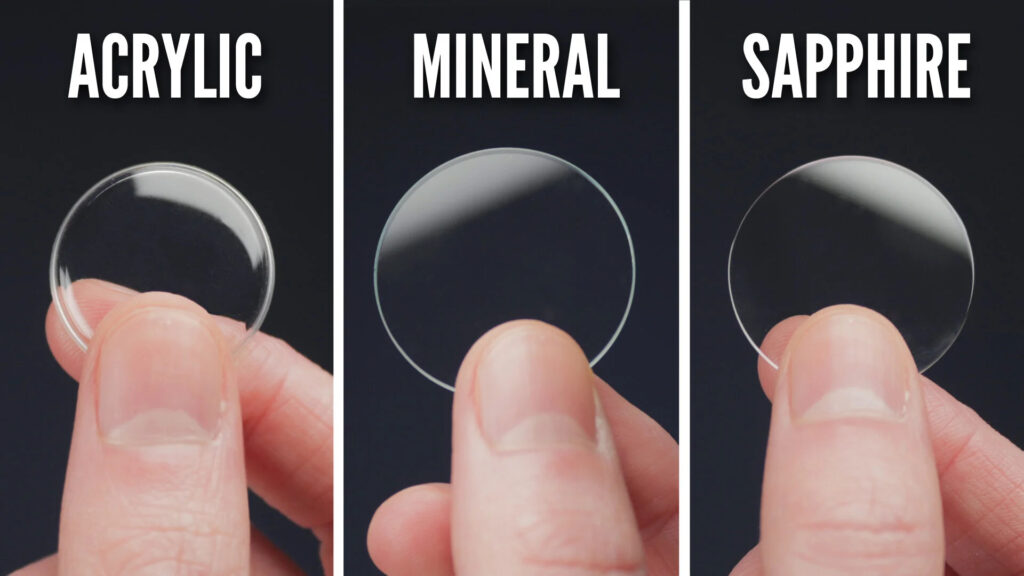
The type of crystal you choose depends on your lifestyle, preferences, and budget.
If you want a luxury timepiece that stays flawless for decades, sapphire is the way to go. If you’re looking for daily wear reliability at a reasonable price, mineral crystal offers the best balance. If you love vintage charm or want something that can handle rough impacts, acrylic has a nostalgic edge.
Conclusion: The Window Into Your Watch
While often overlooked, the crystal is the window into your watch’s soul. It protects your investment and defines how your timepiece ages with you. Whether you prefer the indestructible clarity of sapphire, the affordable practicality of mineral, or the warm vintage charm of acrylic, knowing the difference will help you choose a watch that not only looks good today but lasts for years to come.





One Comment