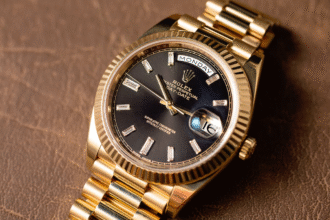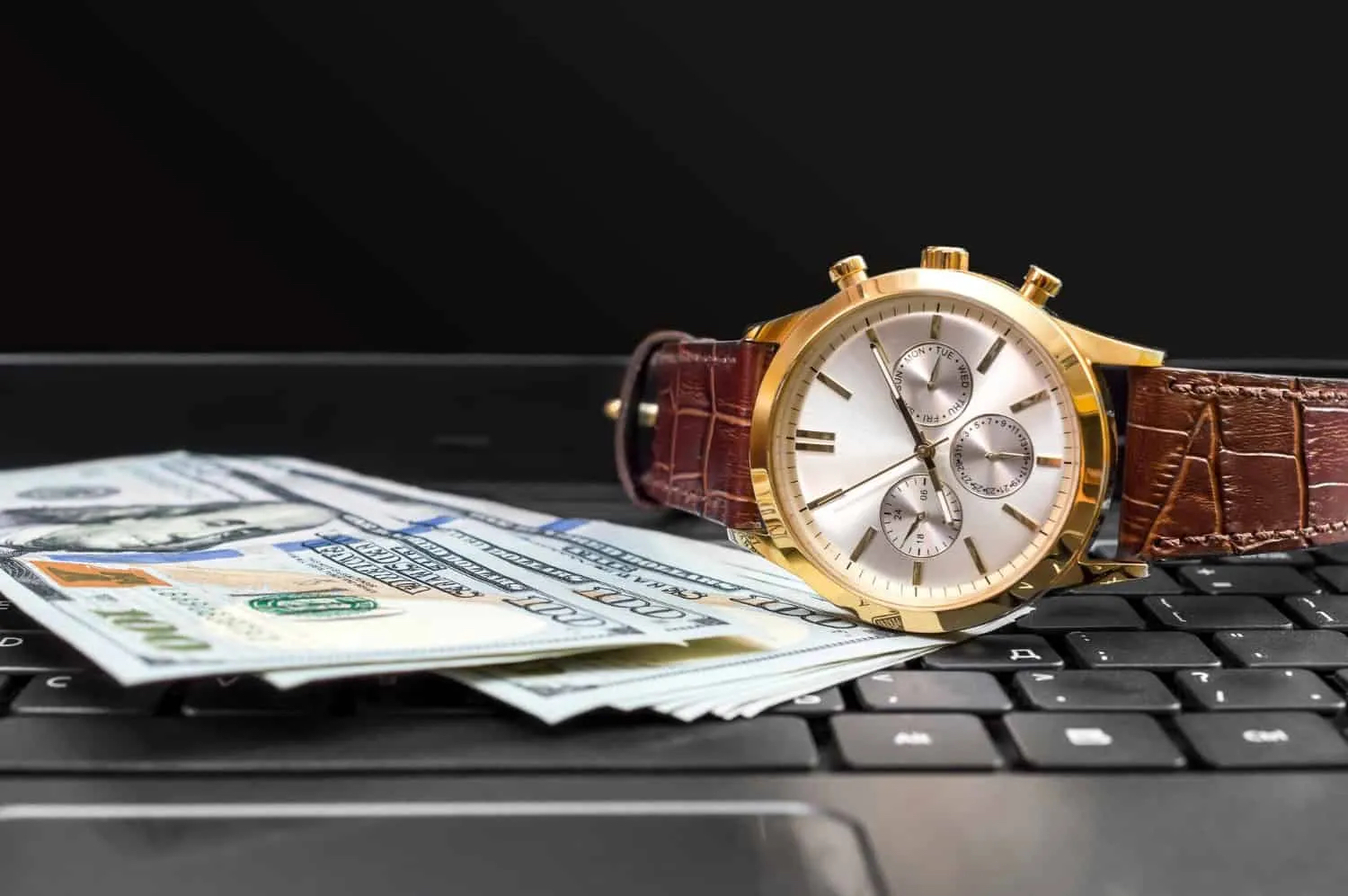
In the world of horology, the excitement of acquiring a new timepiece often comes with a darker undertone: the rise of watch flipping. Once a niche activity, flipping—buying watches at retail and immediately reselling them for profit—has exploded in recent years. Fueled by social media, resale platforms, and unprecedented demand for certain models, flipping has become a defining phenomenon in the luxury watch market.
But while some see it as a savvy way to profit from scarcity, others view it as damaging to the culture of collecting. The debate has grown so intense that even major brands are stepping in to address it. So why has watch flipping become so controversial?
The Mechanics of Flipping
At its core, flipping is simple: buy low, sell high. Watches from brands like Rolex, Patek Philippe, and Audemars Piguet are notoriously hard to obtain at retail, with waiting lists stretching for years. When lucky buyers secure one, the temptation to resell immediately at a premium is enormous.
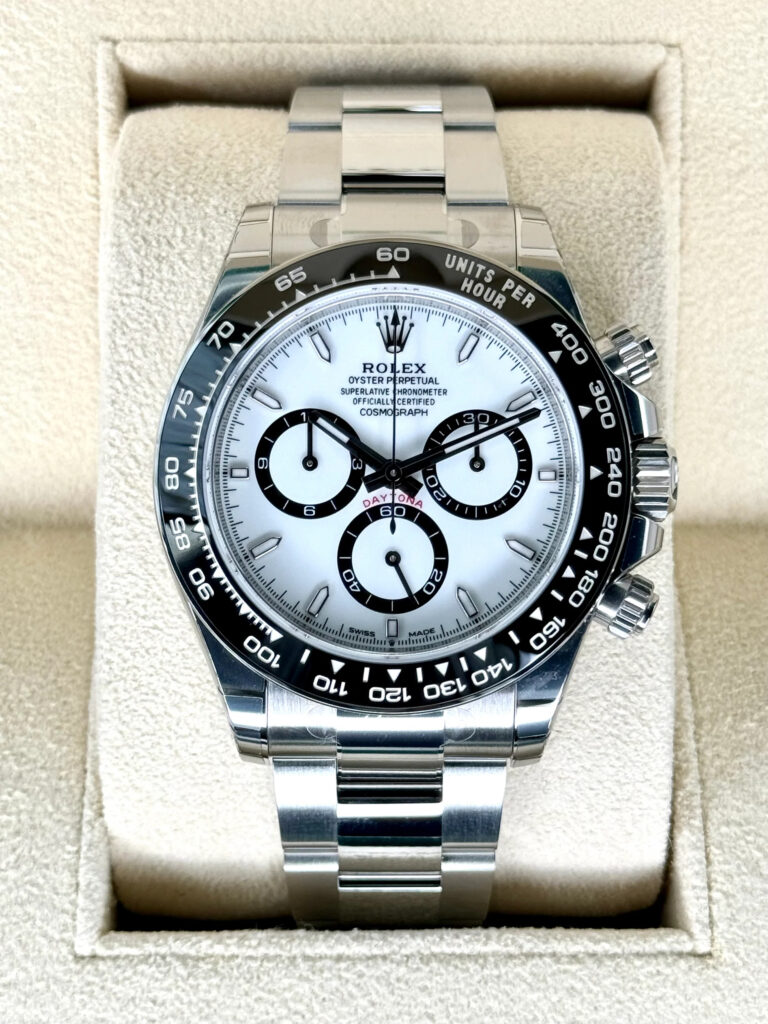
For example, a Rolex Daytona “Panda” with a retail price around $15,000 may command $35,000 or more on the secondary market.
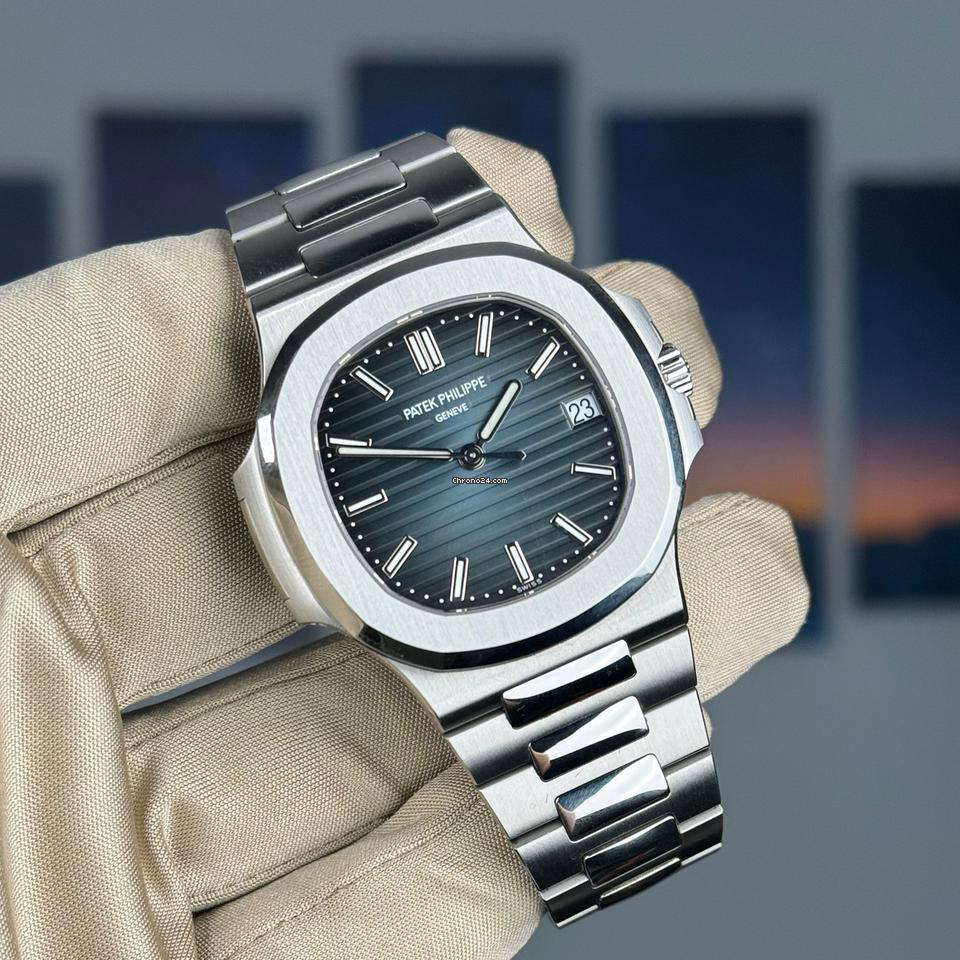
A Patek Philippe Nautilus 5711, once priced at roughly $30,000 retail, sold for multiples of that after being discontinued.
These dramatic profit margins make flipping irresistible to many.
Why Collectors Disapprove
While profitable for flippers, the practice has sparked frustration among enthusiasts and purists:
- Barriers to Entry: Genuine collectors who want to wear and cherish these watches often find themselves priced out of the market.
- Artificial Scarcity: Flippers thrive on limited availability, perpetuating the cycle of inflated demand.
- Cultural Shift: The focus on profit rather than passion undermines the values of horology, where craftsmanship and history were once the primary draws.
To many collectors, flipping reduces watches to little more than commodities, stripping away the artistry and heritage that define them.
The Role of Social Media
Social platforms like Instagram and TikTok have amplified flipping culture. Hashtags like #WristCheck showcase grail watches daily, while influencers flaunt hard-to-get models, further inflaming demand. The visibility of profit margins encourages newcomers to see watches not as objects of craftsmanship but as quick investments.
This has created a generation of “status-driven buyers” more interested in showing off a Nautilus on Instagram than in understanding the movement inside it.
How Brands Are Responding
Luxury watchmakers are not blind to the problem. Some have taken steps to curb flipping:
- Rolex introduced certified pre-owned programs, hoping to exert more control over secondary prices.
- Patek Philippe and Audemars Piguet have reportedly blacklisted buyers who quickly resell watches.
- Certain authorised dealers now require buyers to establish purchase histories, effectively gatekeeping the most desirable models.
These measures highlight the delicate balance brands must strike: maintaining exclusivity while keeping loyal collectors happy.
The Broader Market Consequences
Flipping has broader consequences beyond individual frustration.
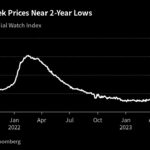
- Price Volatility: Speculative flipping creates market bubbles that eventually destabilise values.
- Collector Fatigue: Many enthusiasts are leaving the scene, unwilling to play the resale game.
- Cultural Reputation: To outsiders, the watch world risks looking less like a haven of artisanship and more like another speculative marketplace.
If flipping continues unchecked, it could erode long-term trust in both brands and the collecting community.
Is Flipping Here to Stay?
The controversy surrounding flipping reflects larger cultural and economic shifts. Watches have become status symbols in the same way sneakers and luxury handbags have, and with scarcity driving desirability, flipping is unlikely to disappear.
Yet, as more collectors voice frustration and brands take action, the landscape could evolve. The challenge lies in finding a middle ground where watches retain their exclusivity and value without alienating the very enthusiasts who fuel the culture.
Final Thoughts
Flipping has undeniably reshaped the luxury watch market. To some, it’s an entrepreneurial opportunity; to others, it’s an unwelcome distortion of tradition. What’s clear is that the debate isn’t just about profit margins—it’s about the soul of watch collecting itself.
Will the future of horology be driven by passion or speculation? For now, the controversy continues, ticking away as loudly as the watches themselves.