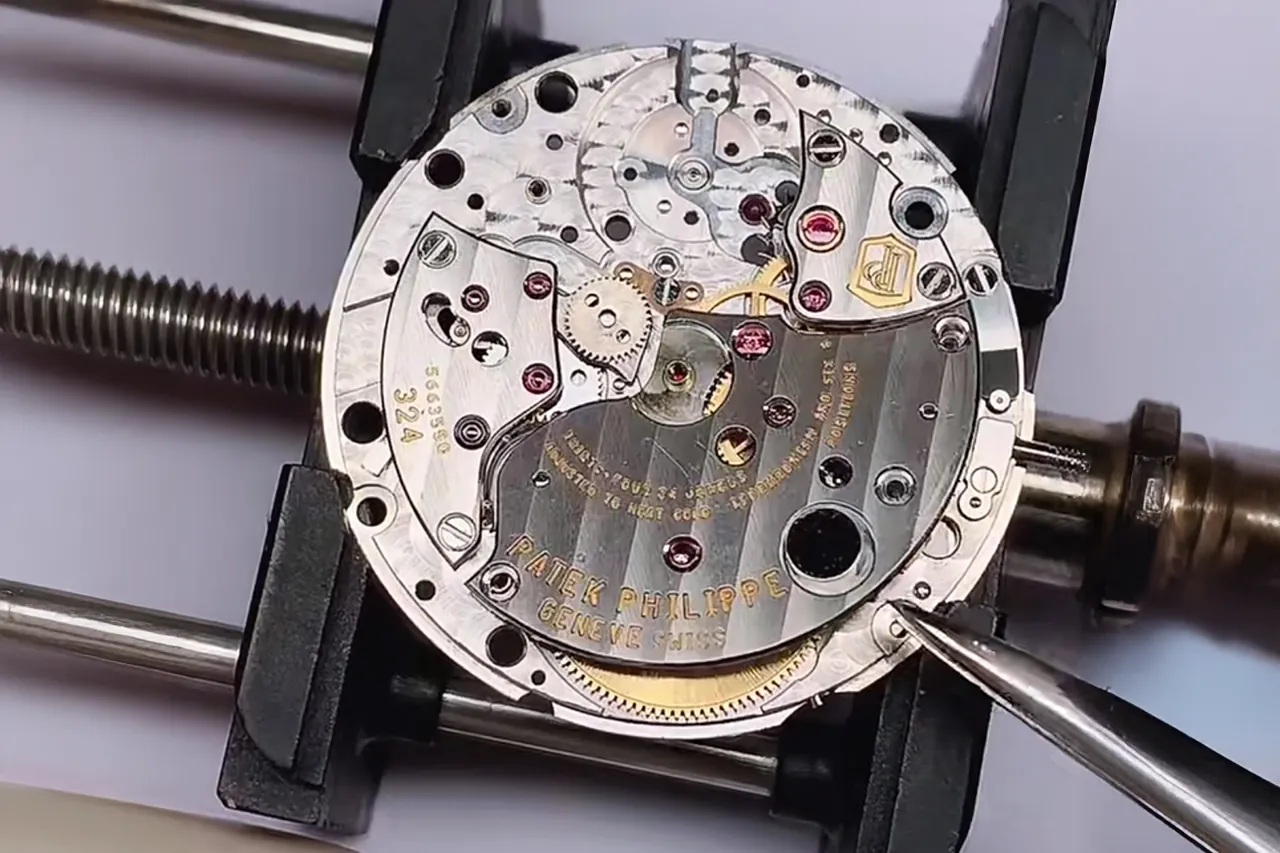
A mechanical watch is more than just a timekeeper—it’s a miniature machine of gears, springs, and precision engineering. Whether you own a robust tool watch like a Rolex Submariner, a refined dress piece like a Jaeger-LeCoultre Reverso, or a microbrand daily wearer, the question eventually arises: how often should you service your mechanical watch?
The answer isn’t always straightforward. Like any machine, a watch’s longevity and accuracy depend on its care, environment, and usage. Let’s break down the factors that determine when your timepiece deserves a trip to the watchmaker.
The General Rule: Every 3 to 5 Years
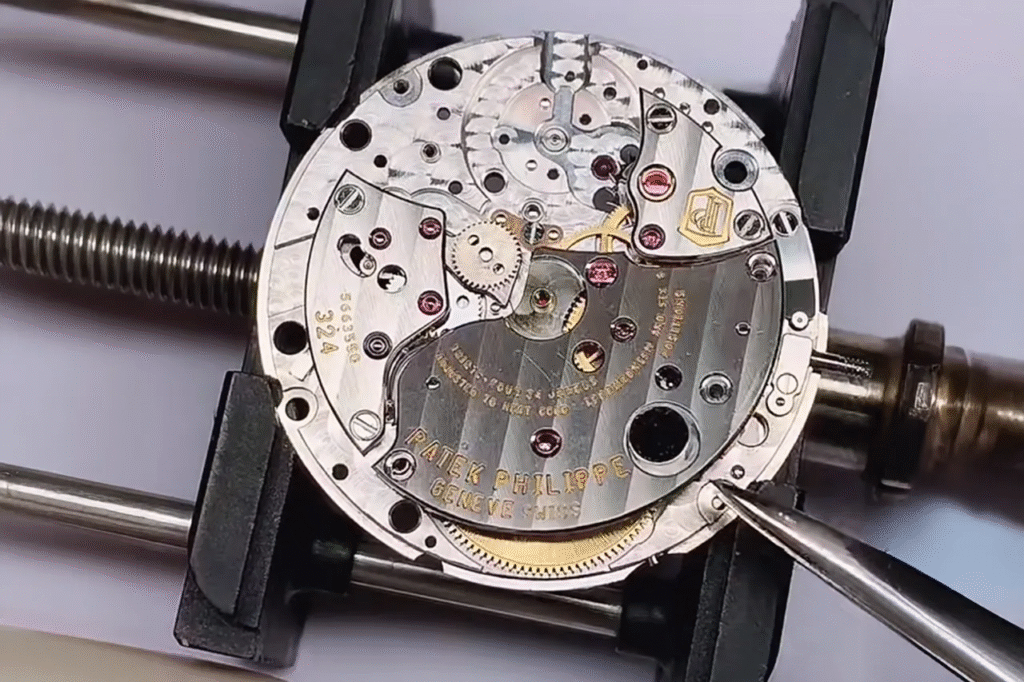
Most luxury watch brands, including Rolex, Omega, and Patek Philippe, recommend a service interval of around 3 to 5 years. This guideline ensures the oils lubricating the movement don’t dry out and the components continue to function smoothly.
During a full service, a trained watchmaker will:
- Disassemble the movement completely.
- Clean and replace worn parts. Reapply fresh lubricants.
- Reassemble and regulate the watch. Re-seal the case to maintain water resistance.
Think of it like taking your car for routine maintenance. Even if it seems to be running fine, preventive servicing keeps small issues from turning into costly repairs.
Factors That Affect Service Frequency
While 3–5 years is a good baseline, not every watch is used—or abused—the same way. Here are key factors that influence how often your mechanical watch needs servicing:
1. Usage
A daily wearer is exposed to more shocks, sweat, and environmental conditions than a watch that only comes out for special occasions. A collector who rotates through multiple watches may be able to stretch the service interval longer.
2. Environment
Heat, humidity, and dust can all accelerate wear inside the case. Divers and outdoor enthusiasts may need to service their watches more frequently to ensure gaskets and seals remain intact.
3. Water Resistance
If your watch is rated for diving or swimming, it’s critical to test its water resistance annually—even if the movement doesn’t need a full overhaul. Gasket failure can lead to catastrophic water damage.
4. Brand and Movement Complexity
High-complication watches (like perpetual calendars or chronographs) may require more frequent servicing due to their intricate mechanisms. Workhorse calibers (like the ETA 2824 or Seiko 6R35) can often run for years without issue if well-maintained.
Signs Your Watch Needs Servicing
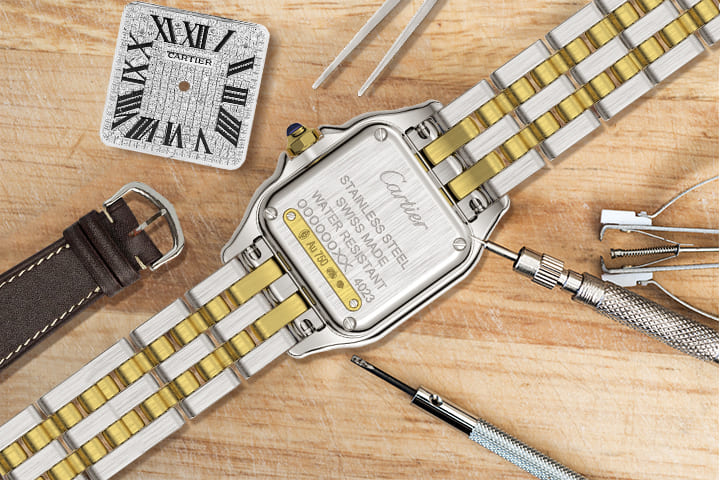
While following the recommended schedule is wise, your watch may send signals that it’s overdue for a check-up. Look out for:
- Inaccuracy: Gaining or losing significant time daily.
- Power Reserve Issues: The watch stops running sooner than expected.
- Unusual Sounds: Grinding, clicking, or rough winding.
- Moisture Under the Crystal: A red flag that water resistance has been compromised.
- Stiff Crown or Pushers: Resistance when winding or setting the time.
Catching these signs early can prevent further damage and keep your timepiece running smoothly.
Should You Wait Until It Breaks?
Some collectors prefer the “if it ain’t broke, don’t fix it” philosophy. While this approach may work for robust tool watches, it comes with risks. Dried lubricants can increase friction, leading to worn parts that are expensive—or impossible—to replace.
Skipping routine service can turn a $500 maintenance job into a multi-thousand-dollar restoration, especially for vintage or rare pieces.
The Cost of Servicing
The price of a full service varies widely depending on the brand and complexity of the watch:
- Entry-level mechanical watches: $150–$400
- Mid-range Swiss watches (Omega, TAG Heuer): $400–$800
- High-end luxury (Rolex, Breitling): $600–$1,200
- Haute horology (Patek Philippe, Audemars Piguet): $1,500+
While servicing may seem expensive, it’s a necessary investment to protect the value and performance of your watch.
How to Extend the Time Between Services
If you want to keep your watch running smoothly and minimize unnecessary trips to the watchmaker, follow these tips:
- Avoid magnetic fields: Keep your watch away from electronics and speakers.
- Regular winding: Even if not worn daily, wind automatic watches occasionally to keep oils distributed.
- Water resistance checks: Especially if you dive or swim with your watch.
- Proper storage: Use a watch box or winder to protect from dust and humidity.
Good habits won’t eliminate the need for servicing, but they can help extend the life of your movement and seals.
Final Thoughts
So, how often should you service your mechanical watch? The safe answer is every 3 to 5 years, but the true answer depends on how you wear and care for it. A dive watch that sees regular underwater action may need more frequent attention, while a dress watch worn sparingly could run a decade without intervention.
The key is to stay attuned to your watch. If it’s losing accuracy, struggling with power reserve, or showing signs of wear, don’t wait—take it to a trusted watchmaker. Preventive care not only preserves your timepiece’s performance but also ensures it continues to tick reliably for the next generation.
After all, a mechanical watch isn’t just about keeping time—it’s about keeping history alive, one beat at a time.
| Brand | Recommended Service Interval | Typical Service Cost (USD) | Notes |
|---|---|---|---|
| Rolex | Every 10 years (official); many owners opt for 5–7 years | $600–$1,200 | Complete overhaul, water-resistance testing, and refinishing included. |
| Omega | Every 5–8 years | $500–$1,000 | Co-Axial movements often run longer between services. |
| TAG Heuer | Every 5–6 years | $400–$800 | Quartz service typically cheaper (~$200). |
| Breitling | Every 4–6 years | $600–$900 | Many services include COSC chronometer re-certification. |
| Patek Philippe | Every 3–5 years | $1,000–$2,500+ | High complications (perpetual calendars, minute repeaters) may cost significantly more. |
| Audemars Piguet | Every 4–6 years | $1,200–$2,000+ | Royal Oak and complicated models require specialized service. |
| Seiko (Mechanical) | Every 3–5 years | $150–$400 | Prospex divers may need more frequent water-resistance checks. |
| Oris | Every 4–5 years | $300–$600 | Independent brand—servicing typically more affordable than big Swiss houses. |
| Jaeger-LeCoultre | Every 4–6 years | $800–$1,500 | Complications (Reverso chronographs, tourbillons) often cost more to service. |
Notes: These intervals and price ranges are general estimates and may vary by country, local service center, and the specific condition or complexity of the watch. For vintage or rare pieces, consult an authorized service center or trusted independent watchmaker.


2 Comments